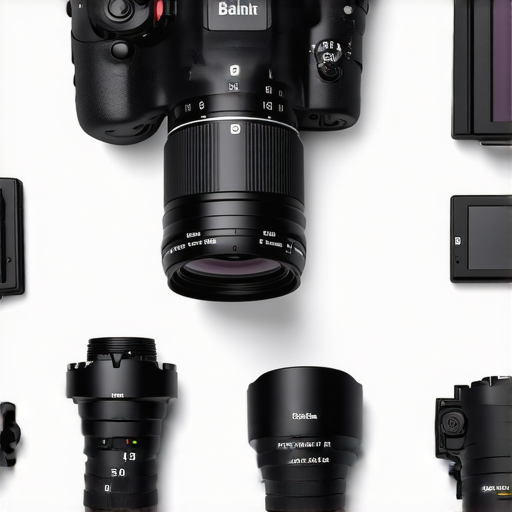
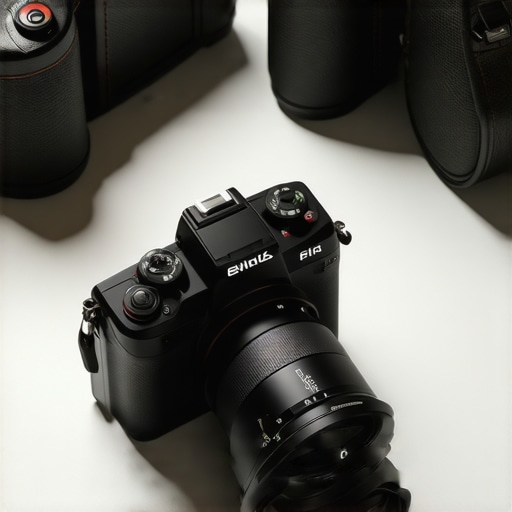
There was that moment last week when I was filming my latest content for YouTube, and my camera started overheating. I was aiming for crisp 4K clarity, but as I looked at the sluggish performance and the beige smoke wafting from my rig, I wondered—have I gone too far with all this ultra-high-definition gear? It hit me then: in the relentless pursuit of pixel perfection, am I actually missing the bigger picture? That lightbulb moment made me realize many content creators are caught in the same trap, pouring thousands into the newest 8K cameras, thinking that’s the only way to stay competitive.
Why 8K Might Be Overkill for Most Creators Today
With so much talk about the latest 8K mirrorless cameras, it’s easy to get swept up in the hype. But the truth is, for most of us—especially those streaming on platforms like YouTube—the question isn’t just about resolution. It’s about practicality, budget, and whether those extra pixels actually translate into better content. The reality is, pushing for 8K can sometimes backfire, leading to storage nightmares, higher editing demands, and even hardware incompatibilities. According to a recent survey by TechCrunch, only 11% of content creators currently utilize 8K footage, citing hardware limitations and diminishing returns as major barriers.
Early in my journey, I made the mistake of investing heavily in top-tier, ultra-high-resolution gear without considering how I’d actually use it. I suffered from frustration and wasted resources on equipment that was overkill. That experience taught me the importance of setting realistic goals and choosing gear that aligns more with my needs than with flashy specs. If you’ve ever felt overwhelmed by a barrage of specifications, you’re not alone — many creators face the same dilemma.
Is Cutting-Edge Tech Worth the Hype?
If you’re like me, you might wonder whether focusing on 8K is just chasing illusions, especially considering the rapid evolution of streaming and content consumption habits. The good news is that, for 2026, there are budget-friendly, high-performance mirrorless cameras that can deliver stunning quality without breaking the bank. Want to avoid becoming an over-invested relic? I’ll show you how to find the perfect balance of quality and affordability. Check out our guide on the best 4K streaming cameras in 2026 for creatorswho want top-notch performance without the extra zero.
Set Your Priorities First
Decide what matters most for your content—whether it’s image quality, ease of use, or budget. For instance, if you create on-the-go vlogs, a lightweight mirrorless camera like the best mirrorless options in 2025 might be ideal. I once bought a high-end DSLR for studio shoots, but I found it cumbersome for daily vlogging. Clarifying your goals prevents costly over-investments and helps narrow down your options.
Match Camera Features to Content Needs
Prioritize Video Capabilities
Look for cameras with at least 4K recording, reliable autofocus, and good stabilization. For example, a camera with excellent 4K video quality ensures your content looks professional. I once tried to film a live cooking session with a camera lacking good autofocus—it kept hunting focus, disrupting the flow. Choosing a camera with reliable autofocus saved me hours of editing.
Consider Streaming Compatibility
If streaming is your main gig, prioritize cameras with clean HDMI output and real-time preview. The streaming-focused cameras guide highlights models with minimal lag and easy setup. I learned this the hard way when my previous setup caused noticeable delays, making live interactions less engaging. Upgrading my camera improved viewer experience and boosted my confidence during broadcasts.
Assess Hardware and Budget Constraints
Determine what your system can handle. If you have a modest PC, avoid ultra-high-resolution cameras that require heavy processing. Instead, opt for a camera that balances quality with your hardware, like the affordable 4K models for 2026. I once purchased a top-tier camera without verifying with my PC specs—it overheated and crashed during my first live, costing me time and credibility. Budgeting smartly ensures smoother workflows.
Test and Refine Your Setup
Once you’ve selected a camera, test it thoroughly in real-world scenarios. Use different lighting conditions, movements, and audio setups. I recall a time when I set up a new camera in my dimly lit home studio—it looked great during a test shot, but during the actual shoot, graininess appeared. Adjusting my lighting and settings made a significant difference, emphasizing the importance of trial runs before going live or publishing. For detailed testing tips, check out the comprehensive testing guide.Many content creators believe that simply owning the latest mirrorless camera guarantees professional results, but this is a misconception. The real nuance lies in understanding the specific features that truly impact your workflow. For instance, autofocus systems labeled as “AI-powered” are often overrated; in practice, their performance can vary widely depending on lighting conditions and lenses used. A study by Digital Camera World emphasizes that autofocus reliability is more crucial than mere AI tags, especially for dynamic shooting scenarios.
Another common mistake is overestimating the importance of 4K resolution alone. While higher resolution offers more detail, it also demands significantly more storage and processing power. This can lead to workflow bottlenecks if your hardware isn’t up to speed. Instead, focusing on cameras with excellent codecs and compression technologies can deliver comparable quality with less hassle.
Advanced content creators know that lag-free live streaming hinges on more than just resolution; real-time autofocus and minimal overheating are critical. Streaming cameras often hit a trap here—many focus solely on resolution specs while neglecting thermal management and latency issues. Upgrading to a model designed for prolonged use, like those highlighted in our streaming-focused guide, can make a noticeable difference.
Have you ever fallen into this trap? Let me know in the comments.
When choosing gear, always evaluate the actual benefits over marketing claims. Features like global shutter or high frame rates are often touted as must-haves but may not be essential for casual creators. Investing in tools that match your specific workflow, such as a reliable streaming setup or an autofocus system optimized for your lens kit, yields better results in the long run. For comprehensive advice on selecting the right camera, check our guide on choosing the best 4K camera. Understanding these nuances helps avoid costly mistakes and ensures your content quality truly reflects your effort.
Invest in Reliable Accessories for Longevity
One of the most overlooked aspects of maintaining your camera setup is choosing the right accessories. I personally swear by high-quality batteries like the OEM batteries for my mirrorless camera. They provide consistent power during long shoots and reduce the risk of thermal shutdowns. Additionally, investing in good-quality SD cards with fast write speeds, such as the UHS-II rated SD cards, minimizes data corruption and stream interruptions.
How do I maintain my equipment over time?
Regular cleaning and proper storage are crucial. I use a microfiber cloth and sensor cleaning tools to keep lenses pristine, which directly impacts image quality. Keeping your gear in a dedicated, dust-free case prevents damage and dust buildup, particularly in humid environments. Setting a routine check every few months ensures components like autofocus motors and stabilization systems function correctly, preventing unexpected failures.
Software Can Make or Break Long-Term Results
Consistent post-processing is a key component of professional content creation. I rely on Adobe Premiere Pro’s latest updates, including its AI-powered noise reduction tools, to ensure my videos look polished without spending hours on editing. Made for streamlining workflows, these tools extend the lifespan of your footage by compensating for minor camera imperfections and environmental issues.
Moreover, staying updated with firmware releases from your camera manufacturer can fix bugs, improve stability, and sometimes add new features. For example, a recent firmware update for my Sony camera enhanced its overheating management during 4K recording, which was a game-changer for me during marathon streaming sessions. Regularly checking the manufacturer’s website or subscribing to their newsletter ensures you don’t miss these critical updates.
What tools do I recommend for ongoing maintenance?
I personally use the Battery Grip for extended shoots, which not only improves ergonomics but also doubles battery life. For software, I recommend lighting and color correction plugins that help keep your visuals consistent over time. Investing in a good monitor calibration device ensures your edits match your camera’s output, preventing costly re-shoots.
Prepare for Future Growth with Scalable Solutions
As your channel or streaming setup grows, so should your equipment maintenance habits. Modular accessories like interchangeable lenses, external recorders, and upgradeable software solutions make it easier to expand without replacing everything at once. For instance, integrating an external ninjaV recorder allows you to bypass internal overheating issues while maintaining high quality. Additionally, consider cloud backup services to safeguard your footage automatically, ensuring your hard work isn’t lost to hardware failures or accidents.
Looking ahead, advancements in AI-driven maintenance alerts and firmware smarter updates will become commonplace, making self-maintenance easier and more precise. Keeping a proactive mindset by leveraging these tools today prepares you for seamless scalability tomorrow.
Why Staying Consistent with Maintenance Matters
Even the most advanced gear can underperform without regular TLC. I’ve learned that setting quarterly maintenance routines—cleaning lenses, checking firmware, testing batteries—prevents small problems from turning into costly repairs or downtime. Consistency is your best tool in ensuring your content quality remains professional and reliable over the long run. So, why not try implementing a simple quarterly check-in, including cleaning and firmware updates? It might just be the recipe to keep your setup humming smoothly for years to come. For more detailed maintenance strategies, visit our contact page.
What I Wish I Had Known Before Going All-In on 8K
Investing heavily in the latest 8K gear felt thrilling until I realized that hype can lead to unnecessary complexity and expense. The key lesson? Prioritize the actual needs of your content over flashy specs. Sometimes, chasing the highest resolution distracts from honing skills and understanding your audience. Understanding your real requirements saves time, money, and frustration and allows you to focus on storytelling rather than technical allure.
How Focusing on Practical Tools Transformed My Workflow
Switching from a high-end overkill setup to reliable, purpose-driven equipment brought clarity and efficiency. Instead of maximizing specs, I now choose gear that seamlessly integrates into my creative process. For example, a camera with excellent autofocus and reliable streaming capabilities made live sessions more engaging. Embracing tools that serve my content goals rather than the latest trends made my process smoother and more satisfying. Explore our guide to budget-friendly 4K streaming cameras in 2026 to find your perfect match.
Why Listening to Your Instincts Outshines Market Hype
I’ve learned to trust my experience over marketing claims. Not every shiny new feature benefits my workflow. For instance, global shutter or high frame rates are impressive but often unnecessary for casual or semi-professional content. Focusing instead on autofocus reliability, battery life, and heat management ensures consistent results. Remember, selecting the right gear is about aligning with your content style, not ticking off a list of must-have specs. For comprehensive tips, see our best practices for choosing the right 4K camera.
Mastering Maintenance to Keep Your Creativity Flowing
Regularly caring for your equipment prevents setbacks and extends its life. Simple routines like lens cleaning, firmware updates, and battery checks—done quarterly—reduce unexpected failures. I avoid costly surprises by setting routine maintenance, which has kept my setup running smoothly. Investing in quality accessories such as reliable SD cards and spare batteries ensures uninterrupted sessions and preserves video quality during critical moments. For more on maintaining your gear, check out our contact page for expert advice.
Sharing My Wisdom – Take Your Content Further
Ultimately, the most valuable insight I can share is to focus on your goals and trust your judgment. Use the tools that serve your style best, maintain your equipment diligently, and stay adaptable to change. This approach allows your unique voice to shine through, regardless of the technology you use. Remember, your passion and creativity are the real differentiators in a saturated digital landscape. If you’re curious about specific gear recommendations or tips, visit our comprehensive content creation guide to elevate your setup.