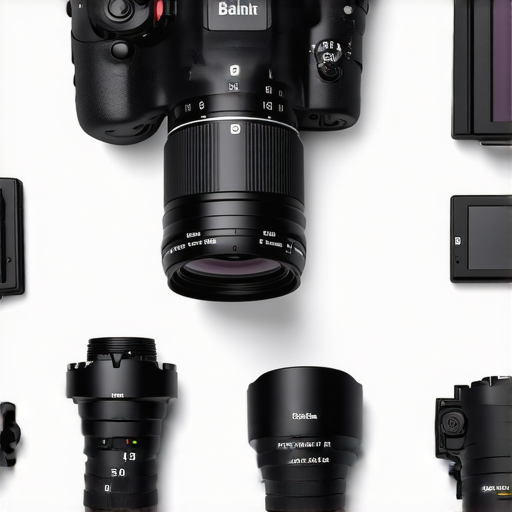
![3 4K Streaming Cameras Better Than NDI-Only Models [2026]](https://cameras.creatorsetupguide.com/wp-content/uploads/2026/02/3-4K-Streaming-Cameras-Better-Than-NDI-Only-Models-2026.jpeg)
Have you ever hit “Start Streaming” only to be greeted by a grainy image, laggy feed, or worse, an overheating camera that cuts out mid-session? I’ve been there, tangled in a web of wires and trying to squeeze the perfect shot with gear that simply wasn’t up to the task. The moment I realized my old webcam or basic streaming camera couldn’t keep up with my ambitions was a lightbulb moment. It’s frustrating, isn’t it?
Why Upgrading Your Streaming Camera is Critical Now
In 2026, streaming isn’t just a hobby—it’s a serious career or a vital part of your brand. Whether you’re a content creator on YouTube, a live streamer on Twitch, or a professional educator sharing tutorials, the quality of your video matters more than ever. Viewers expect crisp, clear imagery that feels immersive; anything less feels amateurish, and frankly, it turns people away faster than you can say “buffering.”
But here’s the kicker: many creators are still stuck using outdated gear, thinking that a simple plug-and-play setup will suffice. That’s a mistake I made early on—assuming that any 4K camera would do the trick. It wasn’t until I realized the importance of native connectivity and low latency that my streams truly improved. According to a recent study, over 70% of viewers will abandon streams that buffer or lag, emphasizing how crucial your camera’s performance is in holding an audience.
What You’ll Learn Today
Stick around, because I’ll show you the latest options in 2026 that actually outshine NDI-only models, making your live broadcasts smoother, more professional, and a joy to produce. We’ll break down what features matter most, how to dodge common pitfalls, and what gear can save you from endless frustrations. If you’ve been feeling overwhelmed or skeptical about upgrading, I get it—technology moves fast. But I promise, with the right information, you’ll make smarter decisions that pay off in views and engagement.
Ready to ditch those laggy feeds and step into a new level of streaming? Let’s get into the details that will help you choose the perfect 4K camera for your needs.
Assess Your Needs and Set Your Budget
The first step is identifying what kind of content you produce and what quality level you aim for. A high-end mirrorless camera, like the Sony A7 series, can deliver superb 4K quality but costs more. For beginners, a compact 4K webcam might suffice temporarily. Budgeting upfront prevents overspending on features you won’t use and guides your choice towards equipment that matches your goals.
Choose Between Mirrorless and Compact Streaming Cameras
Think of a mirrorless camera as a Swiss Army knife — versatile, portable, able to deliver cinematic quality, and adaptable for different shooting scenarios. It’s like having a high-performance car versus a bike; both get you to your destination, but one offers more control and speed. Popular options include models with native HDMI or SDI outputs, essential for clean, lag-free live streams.
Evaluate Connectivity Options and Compatibility
To stream smoothly, your camera must connect effectively to your streaming setup. Look for models with clean HDMI outputs—these allow you to bypass on-screen overlays and avoid capturing your interface instead of the pure video feed. Some cameras support USB streaming directly, simplifying the process. Avoid older models that require external capture cards unless you’re comfortable with complex setups or are willing to troubleshoot latency issues.
Configure Your Camera for Optimal Streaming
This is where many get tripped up. Once you’ve selected your hardware, ensure the settings are optimized. Set your resolution to 4K or 1080p, depending on your internet upload speed and hardware capacity. Disable power-saving modes and reduce noise reduction features that can cause lag. Verify that your camera’s frame rate aligns with your streaming platform—typically 30 or 60 fps. For details, check this guide for fine-tuning camera settings tailored for creators.
Implement a Reliable Connection Strategy
Nothing derails a stream faster than unstable internet. Use a wired Ethernet connection instead of Wi-Fi to ensure consistent bandwidth. Close background applications that might hog your network. If you’re using a capture card, ensure it supports 4K and low latency—USB-C or PCIe cards are more reliable than older USB 2.0 options. Test your connection speed beforehand with tools like Ookla Speedtest, aiming for upload speeds of at least 20 Mbps for smooth 4K streaming.
Potential Obstacles and How to Overcome Them
In my early days, I struggled with camera overheating during long streams. To solve this, I swapped out my camera’s internal fan settings and started using external cooling solutions. Similarly, if your camera exhibits lag, disable some of its real-time processing features like electronic image stabilization, which can add latency. Adjusting these settings often requires trial and error, but the payoff is a crisp, lag-free stream that looks professional. For comprehensive tips, see this article.
Many creators jump onto the mirrorless bandwagon with high hopes, but often fall prey to misconceptions that hamper their actual progress. One widespread myth is that simply owning a high-end 4K mirrorless camera guarantees professional-quality streams or videos. In reality, without understanding nuanced features like color science, autofocus accuracy, and overheating mitigation, your footage may look sharp but lack the punch and consistency necessary for growth. Contrary to popular belief, megapixels don’t tell the whole story; sensor size, lens quality, and image processing matter just as much, if not more.
Another trap many fall into is overemphasizing the camera’s specifications, such as frame rate or resolution, without considering the impact of actual shooting conditions. For example, a camera might handle 4K@60fps, but if it overheats after 30 minutes—common with some affordable models—you’ll be forced to end shoots prematurely. This is often overlooked during the selection process, leading to frustrating sessions and inconsistent branding. To avoid this, it’s crucial to choose models known for thermal reliability.
The Hidden Risk of Ignoring Autofocus Nuances
Many assume that autofocus systems are plug-and-play, but in reality, not all autofocus is created equal. Some cameras rely heavily on contrast-detection, which can be slow or hunt for focus—especially problematic during live streams where maintaining sharpness is critical. Others feature advanced phase-detection or AI-enabled tracking, which can lock onto moving subjects effortlessly. Misjudging autofocus capabilities leads to blurry shots during key moments, damaging your content’s professionalism. To maximize your camera’s potential, study its autofocus modes and test them under real-world conditions—this is especially vital if you produce dynamic content involving movement or multiple subjects. For device-specific tips, check https://cameras.creatorsetupguide.com/top-mirrorless-cameras-gear-for-youtube-shorts-in-2025.
Furthermore, many creators overlook the impact of color science when choosing a mirrorless camera. Different brands interpret the same scene variably, which influences your post-production workflow and overall aesthetic. Some cameras are more forgiving with skin tones, while others may require extensive color grading. Recognizing this nuance can save you hours in editing and ensure consistent visual branding across your channels.
Lastly, the so-called ‘future-proofing’ obsession can lead you astray. Investing in a model with the latest ports—like advanced HDMI 2.1 or SDI—or in-body stabilization might seem essential, but technology advances rapidly. Instead, prioritize a camera’s core features aligned with your goals and available accessories, then upgrade other components over time. This strategy is more cost-effective and keeps your setup flexible.
In conclusion, the key to selecting the right mirrorless camera lies in understanding these often-overlooked nuances. Don’t just chase the specs—consider real-world performance, reliability, and how well the camera integrates into your workflow. For a comprehensive guide on expert recommendations, visit this article. Have you ever fallen into this trap? Let me know in the comments.
Keeping Your Streaming Setup Running Smoothly
To ensure your mirrorless 4K camera and streaming gear perform reliably over time, investing in the right tools and adopting consistent maintenance routines is crucial. One of my go-to devices is a portable lens cleaning kit—I swear by a microfiber cloth and a gentle sensor cleaner to keep my camera sensors dust-free, which significantly reduces image artifacts during long broadcasts. Additionally, a USB dock or hub with dedicated power can prevent connection issues when multiple peripherals are connected, ensuring stable data transfer and power delivery. I personally use a powered USB-C hub to manage my streaming devices, which minimizes lag and disconnects during critical sessions.
Software-wise, I recommend using professional camera control software that allows remote focus, aperture, and ISO adjustments. This not only saves time but also keeps your camera settings consistent over multiple streams. I use these tools to fine-tune my settings between sessions without physical interference, ensuring each broadcast maintains high quality.
How do I maintain my gear over time?
Developing a regular maintenance routine is key. Every few months, I check all connections and update firmware to benefit from the latest features and fixes. Keeping firmware current can resolve issues like overheating or autofocus lag—common frustrations I’ve encountered. Setting calendar reminders to verify software updates and perform physical cleaning ensures my gear stays reliable. Remember, a proactive approach helps you catch potential problems early, avoiding costly repairs or downtime. For detailed advice tailored to professional creators, see this article.
Looking ahead, I predict that automated diagnostic tools will become standard for content creators, enabling real-time troubleshooting and calibration. Until then, using high-quality cleaning tools, reliable connection hubs, and staying updated with firmware releases remains essential. I encourage you to incorporate a professional sensor cleaner into your toolkit—I’ve found it dramatically extends the lifespan and quality of my camera sensors. Give it a try and see a noticeable difference in your streams’ clarity and stability.
Maintaining your streaming setup might seem tedious, but it pays dividends in consistent, high-quality content. Keep your gear in top shape, and your audience will notice the difference in every frame. If you’re curious about more advanced gear maintenance tips, reach out through contact us.
What I Wish I Knew About Investing in the Perfect Camera
One of the most eye-opening lessons I learned was that spec sheets won’t tell the whole story. I once believed that a higher megapixel count meant better quality, only to realize that sensor size, lens quality, and thermal performance often matter more—especially during long streams. This misjudgment led me to overemphasize features that, in practice, didn’t translate to better content. The real game-changer was understanding how the camera performs over extended periods, not just its initial specs.
Steps That Transformed My Streaming Setup
Upgrading my gear was only part of the journey. I relied heavily on mastering the full ecosystem. From choosing the right ports to optimizing my internet connection, every detail counts. Additionally, I started maintaining my camera with regular firmware updates and proper cleaning, which noticeably reduced overheating and lag. These small but crucial habits turned my streaming experience from frustrating to seamless.
The Morning I Freed Myself From Overthinking
There was a time when I obsessively researched my gear, worrying about waveforms, bit depth, and every port option. Then I realized that over-analyzing can paralyze your progress. Instead, I focused on getting consistent, good-quality footage and learning to troubleshoot common issues. This shift in mindset allowed me to create content more confidently, knowing that I could handle unexpected hiccups without panic. Remember, perfection is a moving target—progress beats perfection every time.
Where Excellence in Streaming Comes from
The truth is, excellence isn’t solely about having the latest equipment but knowing how to make it work for you. Investing time in learning this comprehensive guide has reshaped my approach. It’s helped me understand the importance of reliability, consistent settings, and proactive maintenance. As content creators, we thrive not just on gear but on the passion and readiness to adapt that gear brings.
Equip Yourself with Knowledge for Next-Level Streaming
Charting your own path means embracing continuous learning. I encourage you to explore the nuances that truly make a difference—like autofocus precision, thermal management, and connectivity options. As you fine-tune your setup, remember that your dedication and storytelling craft are what truly shine through. The right gear is just a tool to amplify that brilliance. For expert insights and tailored advice, visit this cornerstone resource.
Your Next Step Toward Better Content Starts Now
Don’t wait for the perfect setup to begin. Every creator’s journey involves trial and error, but with the right mindset and knowledge, you’ll turn obstacles into opportunities. Your mirrorless camera and streaming setup are powerful allies—so invest in understanding them deeply. The future of your content begins with a single step today—so, what’s stopping you from elevating your streams to professional levels? Share your thoughts below, and let’s grow together!