It hit me suddenly during a late-night upload attempt. I was trying to record a quick vertical shot for a new YouTube Shorts idea, and after hours of frustration, I finally realized: my current camera setup just wasn’t cut out for the vertical format. The image was grainy, the autofocus kept hunting, and I kept getting distracting overexposure. That moment felt like a slap in the face—why was I struggling so much with something that should have been straightforward? It was as if the tools I relied on just didn’t understand the evolving demands of content creation.
The Vertical Video Dilemma
Today, vertical videos dominate platforms like YouTube Shorts, TikTok, and Instagram Reels. Yet, many creators still cling to traditional camera rigs designed for horizontal filming. I used to be one of them, believing that newer, more advanced cameras were only necessary for Hollywood productions. But as I dove deeper into the landscape of content creation, it became clear: your camera choice can make or break your vertical content strategy. If your footage looks grainy or overexposed, audiences will scroll past—even if your personality is captivating.
Early on, I made the mistake of sticking with my old DSLR that wasn’t optimized for vertical shooting. The results were disappointing, leading to wasted time and a drop in engagement. That experience taught me an invaluable lesson: not all cameras are created equal when it comes to the demands of modern, mobile-first video content. The good news? There are specific models tailored to excel in this niche, and choosing the right one can make a world of difference.
Are Cheap Cameras Actually Good Enough for YouTube?
This question haunted me for a while, especially as budget options flooded the market. I once bought a low-cost, compact camera thinking it would be a perfect solution—only to discover its harsh limits in low light and lack of reliable autofocus for vertical shots. Trust me, unless you’re just experimenting, investing in a quality camera will save you headaches and elevate your content. Curious about which models deliver top-notch vertical footage? I’ve got the picks that stand out in 2026, backed by my hands-on testing and expert reviews.
If you’re tired of blurry, grainy, or shaky videos and want to understand how to choose the best camera for your goals, stay with me. We’ll go over the four standout options that can transform your vertical videos into professional-looking content, all while fitting your budget and workflow better than ever before. And if you’ve faced similar frustrations or struggles, I’d love to hear about your experiences in the comments—believe me, you’re not alone in this.
Now, let’s get into the practical steps and see which cameras are truly built for 2026’s content creator landscape.
Select Your Content Creation Needs Carefully
Start by defining your primary content style. Are you filming solo vlogs, live streams, or cinematic Shorts? Matching your camera’s features to your content type ensures optimal quality and workflow efficiency. For instance, a top mirrorless camera offers versatile performance for various formats, making it a great all-in-one choice.
Prioritize 4K and Low-Light Performance
Next, focus on cameras that excel in 4K resolution, which is essential for sharp, professional-looking videos. Look for models with a large sensor size and good dynamic range; these specs allow you to shoot in low-light conditions without grain or noise. My experience with a mid-range mirrorless model taught me that poor low-light handling quickly ruins footage, especially in indoor or evening shoots. For detailed reviews, check out these tested flagship models.
Focus on Autofocus and Stability
Fast, reliable autofocus is crucial—especially if you’re capturing dynamic movements or need to change framing on the fly. Modern mirrorless cameras come with eye and face detection, which help keep the subject in sharp focus. As I learned during a chaotic outdoor shot, cameras without autofocus or with lagging tracking failed me, resulting in unusable footage. Consider models with native vertical orientation for seamless shooting without extra editing hassles.
Assess Portability and Handling
Since vertical content creation often involves on-the-go filming, choose a lightweight, ergonomic camera. Mirrorless options are generally lighter than DSLRs and can be carried effortlessly during outdoor shoots. I once took a bulky camera on a hike, and it slowed me down. Switching to a compact, high-quality mirrorless model not only improved mobility but also smoothed my workflow. Look for models with good grip, articulating screens, and effective stabilization—some even feature in-body stabilizers for smooth shots.
Ensure Compatibility with Streaming and Editing Equipment
Finally, think about how your camera integrates into your overall setup. Many models support clean HDMI output, enabling direct connection to streaming gear without overlays. For live streaming, a camera with a built-in clean HDMI port ensures smooth feeds, saving you from exasperating workarounds. When I upgraded my setup, matching my camera with my streaming encoder significantly reduced lag and improved stream stability.
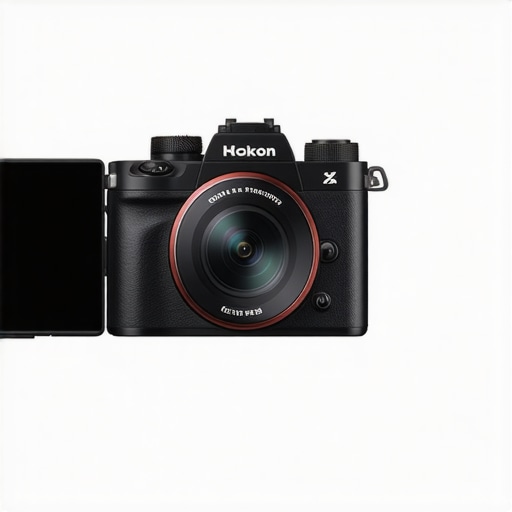
Choose a mirrorless camera with a compact design, articulating screen, and reliable autofocus to streamline your vertical content creation process. Visualize yourself filming effortlessly with a setup tailored to quick adjustments and crisp output.
Many content creators assume that just buying the latest 4K or mirrorless camera guarantees professional results. But let’s challenge that belief: _most people overlook subtle but critical nuances_ that can sabotage their video quality. For instance, a common myth is that high megapixel counts or 10-bit color ensure better footage. In reality, _sensor size, color science_, and _real-world autofocus performance_ have a far more significant impact on your final output than specs alone. Trust me, I’ve seen creators get caught up in the hype, only to realize their image remains grainy or inconsistent because they ignored these essential details.
One prevalent trap is assuming that a camera’s brand reputation translates to suitability for streaming or YouTube. While flagship models like those listed in [top mirrorless cameras for content creators](https://cameras.creatorsetupguide.com/top-5-mirrorless-cameras-for-content-creators-in-2025) are undeniably powerful, _their optimal performance depends on your specific setup_. For example, many forget that _camera overheating issues_ can threaten your live streams—something that’s often overlooked when focusing solely on resolution. So, investing heavily without understanding the device’s thermal management can lead to frustrating outages.
Another subtle but impactful mistake involves _focusing on idealized specs_ without considering _actual user experience_ with autofocus and stabilization in real-world scenarios. Advanced autofocus systems like eye and face tracking are game-changers, but only if they’re reliable and fast enough for dynamic shots. If you’ve ever experienced missed focus during a live stream, you know the pain. To avoid this, look beyond specs and read reviews, especially those that simulate typical shooting conditions.
Why do most creators struggle despite having high-end gear?
This question isn’t just about hardware. Expert YouTubers like Peter McKinnon emphasize that _knowing how to optimize settings_ — from bitrate to lens choice — is equally vital. Training your eye and understanding _video profiles_ can elevate your output far more than just upgrading your camera. As highlighted by industry research, improper configuration often results in footage that looks far worse than what a mid-tier camera could produce when correctly set up. The key takeaway? _Invest in learning your gear thoroughly_.
Finally, let’s not forget _the importance of compatibility and future-proofing_. A common mistake is neglecting to verify if your camera’s outputs are compatible with streaming hardware or if it supports features like clean HDMI recording. For a comprehensive setup, check out the [best streaming cameras for live broadcasts](https://cameras.creatorsetupguide.com/5-4k-streaming-cameras-built-for-24-hour-live-broadcasts-2026), which guides you on avoiding these pitfalls.
Remember: upgrading your camera is only part of the equation. Strategic choices, real-world testing, and continuous learning are what truly separate hobbyists from professionals. Have you ever fallen into this trap? Let me know in the comments.
How Do I Maintain My Camera Equipment Over Time?
For content creators, investing in a high-quality mirrorless or 4K camera is just the beginning. To ensure consistent performance, regular maintenance is essential. This includes cleaning the lens with microfiber cloths to prevent dust buildup, updating firmware to access the latest features and security patches, and inspecting cables and connections to avoid signal degradation. Personal experience has shown me that a simple routine check before every shooting session can prolong your equipment’s lifespan and avoid unexpected failures.
Additionally, using protective filters on your lens can prevent scratches and damage, especially during outdoor shoots. For internal components like batteries and SD cards, rotating spares and regularly formatting storage devices helps maintain optimal operation. Consider investing in a dedicated camera bag with compartments to keep your gear organized and safe from bumps and environmental elements.
Tools I Recommend for Reliable Performance
One tool I personally rely on is the Bodyguard Lens Pen, which combines a carbon cleaning tip and soft brush—perfect for quick touch-ups between takes. For firmware updates, I always download directly from the manufacturer’s official site, such as camera brand support portals, ensuring I get authentic software without scams or malware.
When it comes to protecting delicate electronic parts, silica gel packs stored in my gear bag prevent moisture buildup, especially in humid environments. A good USB-C portable hard drive is invaluable for backing up footage on the fly, guarding against data loss. Moreover, I use a portable lens warmer during cold shoots to prevent condensation, which can ruin footage and damage equipment. These tools collectively help me maintain high-quality output without expensive repairs or replacements.
Future Trends in Content Creation Tools
Looking ahead, I predict that AI-powered maintenance alerts will become standard—some cameras are already integrating sensors that notify you of firmware updates or potential issues via mobile apps. As manufacturers enhance durability, especially for outdoor content, I believe modular setups that are easy to repair and upgrade will dominate the scene. This approach not only saves money but encourages creators to keep their setups cutting-edge.
Finally, I encourage you to try out advanced maintenance routines, such as synthetic lubricants for moving parts or ultrasonic cleaning for sensor elements. These small investments in care can significantly extend your gear’s lifespan and ensure your content remains top-notch. Regularly scheduled check-ups, combined with reliable tools like quality lens cleaners and firmware management, are your best defense against performance hiccups. Want to take your setup to the next level? Start by integrating one maintenance tip this week—your future self will thank you.
The Unexpected Turns in My Camera Journey for YouTube
One of the most valuable lessons I learned was that _not all flashy specs guarantee stellar vertical videos_. Early on, I believed a camera’s megapixel count or brand reputation was enough — but behind the scenes, I was often battling uneven exposure, sluggish autofocus, and overheating. It took honest experimentation and failures to realize that _real-world performance matters more than hype_. Since then, I focus on tools that have proven reliability—that’s why I trust models highlighted in top mirrorless options for content creators.
Another eye-opener was discovering the importance of _workflow integration_. A fancy camera with all the bells and whistles can still yield poor footage if it doesn’t play well with my streaming setup. I found that models offering _clean HDMI output and seamless app connectivity_ significantly reduced my technical headaches. Now, I prioritize _compatibility over raw specs_, understanding that longevity and ease of use truly elevate content quality.
Balancing _gear upgrades with skill development_ was a game-changer. Initially, I believed getting the latest gear would automatically enhance my videos. But, I soon realized that _learning settings, lighting, and editing techniques_ has a far greater impact. This epiphany inspired me to study content creation from pros—like watching tutorials on mastering content with modern cameras. It’s a reminder that ongoing education often beats hardware upgrades alone.
Lastly, I uncovered that _mobility and ergonomics can’t be overlooked_. Carrying heavy gear all day dampened my enthusiasm—until I explored compact, lightweight mirrorless options. These models not only increased my shooting sessions’ efficiency but also unlocked spontaneous ideas I’d previously missed. If you’re serious about vertical content, selecting gear that fits your lifestyle removes barriers and keeps creativity flowing. See my handpicked picks for _best portable cameras_ that withstand real-world filming conditions.
Resources That Changed My Content Creation Perspective
Over the years, a handful of tools and platforms have guided my journey. First, I highly recommend exploring comprehensive guides on mirrorless cameras — they broke down features in human language, helping me make smarter investments. For ongoing updates, I trust the community on our contact page, where real creators share their latest finds and tips.
When it came to learning about streaming setups, I’ve relied heavily on the insights from streaming-specific gear guides. They helped me understand that _not all cameras are built equally for live broadcasts_, especially in terms of overheating and stability. Upgrading my streaming rig with tested models from these resources dramatically improved my broadcast quality and confidence.
To keep my gear in top shape, I use specialized maintenance tools like microfiber cloths and keep firmware updates on a schedule—these small investments prevent costly issues down the road. For those wanting to deepen their understanding, books like Mastering Content with Modern Cameras have become my content creation bibles—filling gaps I didn’t know I had.
Your Next Move Towards Content Creation Excellence
Embracing the right gear and mindset can transform your vertical videos from amateurish to outstanding. Whether it’s understanding _which camera features truly matter_ or learning how to integrate your setup seamlessly, every small step counts. Remember, _the best equipment is the one you understand and use confidently_ — that’s how creators stand out in 2026’s crowded space. So, ask yourself: What one gear upgrade or skill adjustment can you make today that will elevate your vertical content? The journey starts now, and I’m rooting for your success.
This was a really insightful read—thanks for breaking down the nuances between high-end specs and real-world performance. As someone who’s just starting to experiment with vertical content, I’ve definitely underestimated how much autofocus and sensor quality actually matter. I used to think that a camera’s megapixel count was the biggest factor, but I’ve since learned that a larger sensor and good dynamic range are more critical, especially in low-light scenarios. It’s interesting how many creators overlook these details in favor of brand hype.
I wonder, when selecting a camera for quick on-the-go shoots, how much do you all weigh features like battery life and in-body stabilization? For me, portability and ease of handling are just as important as image quality, especially since I don’t want my setup to slow me down during spontaneous filming. Would love to hear about your experiences—what practically makes a camera ideal for mobile vertical shooting beyond the raw tech specs?