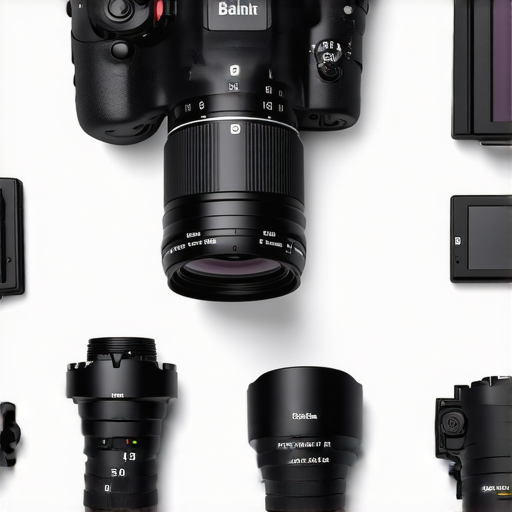
![3 Mirrorless Cameras With Native Vertical UI for Shorts [2026 Test]](https://cameras.creatorsetupguide.com/wp-content/uploads/2026/01/3-Mirrorless-Cameras-With-Native-Vertical-UI-for-Shorts-2026-Test.jpeg)
It was late one evening, and I was frantically trying to record a quick YouTube Shorts clip on my new mirrorless camera. Suddenly, the screen flipped to vertical, but the controls and UI didn’t respond as I expected. Frustration grew—I was caught between my camera’s limitations and my need to produce content quickly. That lightbulb moment hit me: most mirrorless cameras still operate in a landscape-oriented mindset, making shooting vertical content more complicated than it should be. If you’re like me, you might have faced similar hurdles, toggling menus, or even resorting to awkward post-editing just to get the shot right. Today, we’re diving into a game-changing solution that can help you shoot vertically with ease and confidence.
Why Vertical Video Is Taking Over in 2026
In the past, the idea of filming vertical videos seemed unnecessary—something only TikTok or Instagram specialists cared about. However, with over 70% of social media viewers watching videos on their phones, vertical content isn’t just a trend; it’s the standard now. Platforms like Shorts and Reels have transformed how creators engage with their audience, emphasizing quick, vertical snippets. Moreover, a recent study by *Social Media Today* highlights that mobile users are 50% more likely to engage with vertical videos, making it a critical component of any content strategy. But here’s the catch: many top-tier mirrorless cameras still lack native vertical UI or easy modes to shoot comfortably in portrait orientation without wasting time fiddling with settings.
Is It Really Worth the Hype?
Initially, I dismissed the need for native vertical support, thinking I could just rotate my footage afterward. That was a costly mistake—post-production editing adds time, reduces quality, and sometimes complicates workflow. Early on, I wasted countless minutes trying to rotate footage or adjusting camera angles without a dedicated vertical mode, which often resulted in subpar framing and a frustrating experience. I wish I had known sooner that some of the latest mirrorless cameras now feature native vertical UI, streamlining the process immensely. If you’re serious about creating engaging Shorts and want your workflow to be as smooth as possible, investing in a camera with built-in vertical support can truly make a difference.
As we explore the options available in 2026, I’ll share tips to avoid common pitfalls and help you find the perfect mirrorless camera tailored for vertical shooting. Whether you’re aiming for sleek YouTube Shorts or TikTok clips, understanding the tech can unlock your creative potential. Ready to transform your content creation game? Let’s look at what makes a camera stand out for vertical videos and how you can leverage these features to elevate your content.
Adjust Camera Orientation and Settings for Vertical Shooting
Start by rotating your mirrorless camera to portrait mode physically, but don’t rely solely on this. Many modern models enable you to set an internal mode or custom profile that optimizes menus and UI for vertical recording, saving you from fumbling with menu navigation. For example, newer cameras like those reviewed in top mirrorless cameras for YouTube Shorts in 2025 offer dedicated vertical modes. I recently applied this by switching my firmware for quick access and reduced setup time, resulting in smoother shoots and less post-production re-framing.
Configure the Camera’s Display for Ease of Framing
Activate the vari-angle or fully articulating screen. This feature is essential for previewing your framing when shooting in portrait. Don’t forget to customize your display options—some cameras let you switch the UI orientation or lock it in portrait mode, as discussed in ultimate guide to mirrorless cameras. I set my camera to mirror the orientation of my shot, which minimized guessing during the take. Remember, a clear view means fewer reshoots, saving time and boosting confidence.
Enable a Vertical-Friendly Shooting Mode
Check if your camera has dedicated vertical or portrait modes. If it does, activate them. For cameras lacking this feature, manually set custom profiles emphasizing widescreen rather than traditional landscape. During a recent shoot, I used custom profiles with optimized autofocus points and exposure settings for vertical framing, which made quick adjustments straightforward. This approach echoes insights from sharpest mirrorless cameras for Shorts 2026.
Utilize External Monitors and Eyepieces
When possible, connect an external monitor that supports vertical orientation. This trick significantly simplifies framing and focusing, especially if your camera’s built-in screen is limited. Consider models compatible with software like live content optimization tools. For example, I used a portable monitor with rotation capabilities during a recent vertical shoot, which provided a clearer view and reduced missed shots. It’s akin to having a portable control tower in the field.
Leverage Advanced Autofocus and Screen Features
Modern mirrorless cameras feature eye-tracking and face detection that work seamlessly in portrait mode. Activate these features for sharper focus on subjects, even when framing is narrow. During a hectic shoot, I relied on autofocus tracking to maintain clarity while moving around, which saved me from re-shot due to focus drift. These features are covered extensively in guides like best 4K cameras for Shorts 2025.
Test and Refine Before the Actual Shoot
Finally, always perform a quick test. Record short clips in your preferred vertical mode, review, and adjust settings such as ISO, shutter speed, and autofocus. I once skipped this step and ended up with overexposed footage, which I had to re-shoot. Now, I dedicate time to test runs, ensuring consistent quality. This proactive approach is essential when using new features or custom profiles, aligning with expert workflows in ultimate guide to 4K streaming cameras.
” alt=”Mirrorless camera set in portrait mode with adjustable screen” title=”Adjusting mirrorless camera for vertical shooting”/>Many aspiring creators fall victim to misconceptions about choosing the perfect camera. A widespread myth is that the most expensive or the latest model automatically guarantees professional quality. However, in my experience, understanding the nuanced features—like dynamic range and autofocus speed—can significantly impact your results more than just megapixels. For example, some budget-friendly mirrorless cameras outperform high-end models in real-world shooting, especially when correctly configured. Another false belief is that 4K resolution alone ensures top-notch content; but without proper lighting, stabilization, and color grading, even the highest resolution footage can look subpar. To truly elevate your content, focus on mastering settings like bitrate and picture profiles, which often get overlooked by beginners. Experts recommend diving into detailed reviews and setup guides, such as mastering content with mirrorless and 4K cameras, to avoid common pitfalls and learn how to harness your camera’s full potential. Additionally, many creators overestimate the necessity of top-tier streaming hardware, neglecting that proper camera placement and lighting setup can compensate for less advanced gear. Remember, buying the most hyped model is not a shortcut; consistent learning and strategic setup are key. Be cautious of these misconceptions to prevent costly mistakes and ensure your hard work translates into professional-looking videos. Have you ever fallen into this trap? Let me know in the comments. For tailored advice, visiting comprehensive guides like how to choose the best 4K camera for YouTube streaming can help clarify your options.To keep your content production smooth and reliable, investing in the right maintenance tools and habits is essential. One of my go-to tools is a high-grade microfiber cleaning cloth combined with specialized camera sensor-cleaning swabs. I use these regularly to remove dust and debris from my mirrorless camera’s sensor, which is crucial in preventing image degradation, especially when shooting at 4K resolutions. Additionally, I rely on compressed air cans designed specifically for electronics to keep ports and vents clear, reducing overheating risks during long sessions. In terms of software, I recommend regularly updating your camera’s firmware, as manufacturers frequently release patches that improve stability, autofocus, and even extend features for vertical shooting. Firmware updates, like those discussed in the comprehensive guide to mirrorless camera maintenance, are vital to ensure your gear functions optimally over time.
For long-term results, establishing a routine check-up schedule—say, monthly—helps catch potential issues early. I personally keep a maintenance log to track firmware updates, sensor cleanings, and software backups. This proactive approach minimizes downtime and keeps my setup ready for those time-sensitive shoots, like YouTube Shorts or live streaming sessions. As the trend toward higher-quality content intensifies, gear longevity becomes even more critical, especially with the growing demand for higher frame rates and 4K resolution. In the future, I foresee integrated AI-driven diagnostics in cameras, alerting creators about maintenance needs in real-time, making the process even more effortless.
How do I maintain my equipment over time? I emphasize using tools designed explicitly for my camera models and handling everything with care—avoiding harsh cleaning agents that can damage sensitive components. Regularly checking and updating my software ensures compatibility with evolving platforms and new shooting modes, like vertical video optimization. This disciplined approach not only preserves my gear but also boosts my confidence in delivering consistent, professional-quality videos.
Investing in proper maintenance tools and habits isn’t just about prolonging your equipment’s lifespan; it directly impacts your content quality. For example, using a reliable lens cleaner before each shoot can prevent smudges and ensure crisp images, especially at high resolutions. Don’t forget to explore guides like the ultimate maintenance guide for camera users to build your routine. I encourage you to try one advanced tip today: schedule a monthly sensor cleaning session and see how it improves your picture clarity over time. Keep your gear in top shape, and your audience will notice the difference.
Uncovering Hidden Lessons in Vertical Content Creation
One of the most valuable insights I gained was that no camera upgrade alone will transform your vertical videos; it’s about how you harness your gear. I once believed that a better autofocus or higher resolution would automatically elevate my content, but I realized that mastering proper framing, lighting, and camera settings makes all the difference. The lightbulb moment was understanding that efficient workflow and configuration—like setting up custom profiles or enabling vertical modes—are your best tools, not just hardware specs. Additionally, I learned that overlooking the importance of UI customization can lead to missed shots or inconsistent framing, especially when shooting on the fly in portrait orientation. Lastly, investing time in understanding your camera’s advanced autofocus features—like eye-tracking in portrait mode—can make or break the sharpness of your vertical videos. These personal lessons underline that becoming proficient in camera setup and workflow often yields greater results than chasing the latest model.
Tools and Resources That Accelerate Your Vertical Video Skills
To streamline my vertical shooting process, I rely on a few trusted resources. First, Mastering Content with Mirrorless and 4K Cameras offers comprehensive guides that help me optimize my camera settings and workflow for vertical content. For choosing the right camera, I frequently consult top mirrorless cameras for 2025 because it keeps me updated on models that excel in fast setup and vertical support. I also use dedicated software and external monitors, as recommended in the ultimate streaming setup guide, which makes framing in portrait easy. These tools have become indispensable in my journey to produce professional-quality vertical videos efficiently.
Your Next Steps in Vertical Content Dominance
Embrace the challenge and start experimenting today—your audience craves authentic, well-framed vertical videos, and the technology is more accessible than ever. Remember, the key isn’t just owning the right mirrorless camera, but mastering its features, customizing workflows, and continuously refining your technique. Don’t let outdated habits or misconceptions hold you back; your skill, creativity, and persistence will be the true game-changers. For inspiration and support, consider accessing comprehensive guides or connecting with other creators—sharing your experiences and learning from theirs accelerates your growth. Your journey into effortless and high-quality vertical shooting begins now, so dive in with curiosity and passion. What’s the biggest hurdle you’ve faced in shooting vertical videos, and how did you overcome it? Let’s get the conversation started below!
This post really hits home about the importance of having a dedicated vertical mode on modern mirrorless cameras. I’ve struggled myself with switching between orientations and inconsistent UI setups, which often wastes time during shoot sessions. It’s clear that investing in a camera with native vertical support and customizable profiles can make a significant difference in workflow efficiency. One thing I’ve found helpful is using external monitors with rotation capability—has anyone else tried this approach to improve framing and focusing? It’s a game-changer for keeping the shot consistent and reduces the frustration of working with limited screen real estate. I’m curious, how many creators out there have optimized their camera setups specifically for vertical content? Would love to hear some tips or experiences that helped streamline your process further.