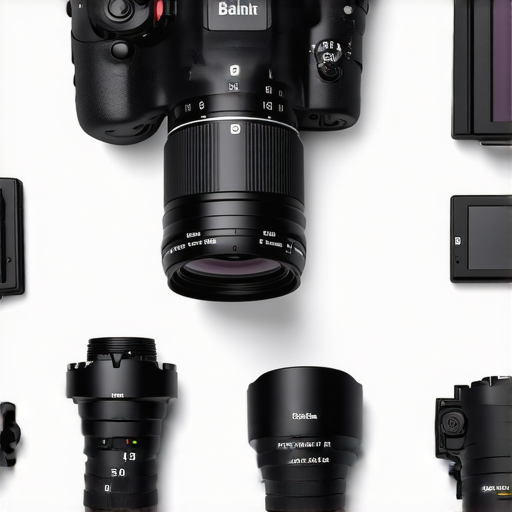
I remember the frustrating moment during a recent shoot—trying to capture a quick YouTube Shorts clip on my smartphone. The autofocus was sluggish, the footage was grainy in low light, and the shaky shots made me cringe each time. That lightbulb moment hit me hard: despite all the hype around smartphones, they just can’t match the capabilities of a quality mirrorless camera when it comes to creating eye-catching shorts in 2026. If you’ve faced similar frustrations—missing that perfect shot because your device just isn’t enough—you’re not alone.
The Shift from Smartphones to Mirrorless Cameras for Shorts
Today, content creators are discovering the undeniable advantages of mirrorless cameras over smartphones. With advancements in sensor technology, autofocus speed, and low-light performance, mirrorless models are now more accessible and versatile than ever. They offer a level of professional quality that can elevate your shorts from average to standout. I’ve seen firsthand how upgrading my gear transformed my content, and I want to help you make that leap too. Curious about what specific models or setups can make your videos pop? Check out our ultimate guide to top mirrorless cameras for Shorts in 2025.
Is the hype around mirrorless still justified in 2026?
Initially, I fell into the trap of believing my smartphone’s convenience was all I needed. But I quickly learned that rushing to shoot with a device designed for calls and quick snaps limited my creativity and quality. Early mistakes cost me viewers’ attention—something I now realize could’ve been avoided with better gear. The good news? Today’s mirrorless cameras have become compact, affordable, and packed with features tailored for creators. Want to avoid my early pitfalls? Let’s explore how these cameras can make your Shorts stand out—and why they are worth the investment. For practical tips on choosing the right model, visit our comprehensive guide on selecting the perfect 4K camera.
Set Up Your Camera Properly
Start by mounting your mirrorless camera on a sturdy tripod or gimbal to ensure stability, as shaky footage can ruin viewer engagement. Power on the camera and access the menu settings to confirm the video resolution is set to 4K for crispness and future-proof content. For streaming or Shorts, toggle the aspect ratio to vertical (9:16). Think of it like framing a portrait—center yourself to fill the frame with your face or action, making the video more personal and engaging.
Adjust Focus for Sharp Results
Use your camera’s eye or face tracking autofocus, which is like having a dedicated assistant constantly keeping your subject in sharp focus. Turn on continuous autofocus (AF-C) and select face or eye priority mode. During your test shoot, move around slightly to verify the focus stays locked, as this prevents blurry moments—your audience will thank you for clear visuals. I once spent ages re-shooting because my focus was off, but a quick tweak saved the entire video.
Optimize Lighting and Background
Lighting is the backbone of professional-looking videos; think of it as the sun shining directly on you. Use soft, diffused light sources like ring lights or softboxes positioned at a 45-degree angle to eliminate harsh shadows. Ensure your background is tidy or deliberately styled to add context, not distraction. Remember, a cluttered background is like trying to watch a movie with visual noise—it’s tiring and unprofessional. I learned this the hard way when my cluttered desk kept pulling viewers’ attention away from my content.
Configure Camera Settings for Best Quality
Set your camera to record in the highest bitrate and bitrate control to prevent quality drops during motion. Choose the appropriate picture profile—flat or log profiles retain maximum color data, allowing for better editing later, much like a raw photo. Adjust ISO to the lowest possible setting to reduce grain, especially in low-light conditions—think of ISO as noise, which you want minimized for clean images. If your camera has in-body stabilization, turn it on to smooth out hand-held shots. I experimented first with factory defaults but customizing these settings dramatically improved my video clarity.
Test Your Workflow with a Dry Run
Before recording the actual Shorts or streaming session, do a quick test run capturing footage from different angles and lighting conditions. Playback on your monitor or computer to check focus, exposure, and noise levels. This step ensures that all settings are dialed in, turning your initial mess into a polished piece. Once, I spent hours filming only to realize my auto-exposure was overcompensating—quick testing saved hours of re-shoots. For detailed tips, check out our comprehensive guide to 4K streaming setup.
Many creators jump into 4K and mirrorless cameras with high expectations, but what most people get wrong is assuming that more megapixels or higher resolution automatically translates into better content. It’s a common misconception driven by marketing hype—yet, the real nuance lies in understanding how to leverage these features effectively. For instance, some believe that simply increasing the bitrates or using the latest tech guarantees superior video quality. In reality, factors like sensor size, dynamic range, and post-processing capabilities play critical roles in delivering professional-looking content. Relying solely on specs can lead to *advanced mistakes*, such as neglecting proper lighting or failing to calibrate camera settings for optimal performance. In fact, a recent study by industry experts highlights that content quality often correlates more with setup and technique than raw specifications. Have you ever fallen into this trap? Let me know in the comments.
A frequent trap for creators is equating high resolution with clarity, but resolution doesn’t compensate for poor lighting or shaky framing. Also, many underestimate how crucial it is to master the camera’s focus nuances—autofocus technology has advanced rapidly, yet using modes like eye or face tracking incorrectly can cause distracting focus shifts. For premium results, familiarize yourself with advanced autofocus settings and customize them accordingly, instead of relying on default modes. If you’re serious about elevating your content, consider studying how to fine-tune your camera’s parameters, like shutter speed and contrast, which often remain overlooked. Proper setup can be the difference between amateur footage and a professional broadcast.
Let’s address a common advanced mistake—**believing that higher frame rates are always better**. While 60fps is great for smooth motion, excessive frame rates might not be suitable for all content and can limit your editing options or increase file size unnecessarily. It’s essential to choose the right frame rate based on your niche and editing workflow. For example, dance or sports content benefits from higher fps, but casual vlogs or product reviews can excel with standard 30fps. As a content creator, your goal should be to match your camera settings with your content style, not just chase the latest tech specs. To learn more about choosing the best settings for your niche, check out our comprehensive guide on how to select the ideal 4K camera for YouTube. Subtle nuances like these are often the key to standing out in a crowded environment.
In sum, the real advantage of modern 4K and mirrorless cameras is unlocked through mastery, not just hardware. Stop focusing solely on specs; instead, invest in understanding your gear’s full potential—lighting, focus, frame rates, and post-processing are just as critical. Remember, becoming an expert involves a nuanced approach—so don’t fall for the myth that more megapixels alone make a better video. To deep dive into elevating your content with top-tier gear, explore our advanced strategies for mastering your content setup.
As a content creator committed to consistently delivering high-quality videos, maintaining your camera gear is just as important as choosing the right equipment. A well-maintained camera not only extends its lifespan but also ensures you get optimal image quality every time you shoot. In my experience, investing in the right tools and adopting routine maintenance habits have made a significant difference in my workflow and final results.
Equip Yourself with the Right Maintenance Tools
First and foremost, I recommend always having a high-quality lens cleaning kit. Personally, I use a combination of a microfiber cloth, lens cleaning solution, and a blower brush. This combo allows me to remove dust and smudges without risking scratches on delicate glass surfaces. Additionally, investing in canned compressed air helps clear out debris from camera ports and sensor areas—crucial for mirrorless cameras where dust can cause autofocus issues. For calibration and color consistency, I use a monitor calibration tool like the X-Rite i1Display Pro, ensuring my editing workflow maintains true-to-life color accuracy, especially critical when working with 4K footage.
Establish Routine Maintenance Practices
Consistency is king with camera upkeep. I set aside time after every shoot to inspect and clean my gear. This includes wiping down lenses, checking for firmware updates (which often fix bugs and improve performance), and testing functions on my streaming camera to catch any issues early. Reflecting on my past mistakes—like neglecting sensor cleaning—I now view regular checks as a safeguard against costly repairs or image degradation over time. To streamline this, I keep a maintenance log, noting dates and issues, which helps me track recurring problems and plan preventive actions.
Keep Your Gear Protected and Accessible
Using protective camera cases and padded bags keeps equipment safe during transport and storage. For long-term preservation, I store my cameras in a cool, dry place, away from direct sunlight, to prevent material deterioration. Also, I invest in desiccant packs to control humidity, which is especially vital for mirrorless cameras with sensitive electronics. Additionally, I label and organize my lenses and accessories for quick access, minimizing setup time during shoots—saving time and reducing the risk of accidental damage.
Tools and Techniques for Future-Proofing Your Content Setup
The landscape of content creation will keep evolving, especially with technological advancements in 4K and streaming gear. Regularly updating firmware, as recommended by manufacturers, is an easy yet often overlooked step that can optimize performance. For example, firmware updates for mirrorless cameras frequently introduce enhanced autofocus algorithms or improved stability—features that save you frustration during critical shoots. Predicting where this trend is heading, I believe the integration of AI-driven autofocus and sensor cleaning will become standard, simplifying maintenance further.
How do I maintain my camera gear over the long term?
One effective approach involves creating a scheduled upkeep routine—monthly or quarterly checks—where you clean, update firmware, and inspect all components. Incorporating anti-static brushes and sensor cleaning swabs into your toolkit ensures you can address dust buildup without professional help. Additionally, subscribing to manufacturer updates via official apps or email alerts keeps you informed about crucial maintenance steps. Remember, staying proactive prevents small issues from becoming costly repairs, and it helps your camera perform at its best. For specialized advice on cleaning sensors for mirrorless cameras, you might refer to industry experts like those outlined in this detailed guide. I personally recommend trying out a sensor cleaning service once a year to handle stubborn dust particles that are hard to remove DIY.
Finally, don’t underestimate the value of documentation. Keeping a maintenance journal or digital log helps you track what’s been done and plan future actions. With consistent care and the right tools, your cameras will serve you reliably for years, helping you stay focused on creating compelling content without technical hiccups. Remember, a little investment in maintenance tools now can save you countless hours and dollars later, ensuring your setup remains optimal for all your streaming and YouTube adventures. Want to take your maintenance routine to the next level? Start by scheduling a monthly check and including sensor cleaning in your routine—you’ll notice the difference immediately.
The Hidden Truth About Investing in Better Gear
One lightbulb moment I had was realizing that upgrading my camera wasn’t just about sharper images—it fundamentally changed how I connected with my audience. Over time, I discovered that the magic lies not in the megapixels but in mastering how to use the features effectively. This insight shifted my entire approach—focus on technique and setup before chasing the latest specs. If you’re looking to elevate your content, remember that hand-in-hand with hardware improvements should come a deeper understanding of your gear’s real potential.
My Go-To Resources for Content Clarity and Confidence
For me, truly transforming my shooting skills, I rely on trusted tools and guides that demystify camera setup and maintenance. The Ultimate Guide to Cameras for YouTube has been a cornerstone, providing insights into selecting the right model and setting it up for success. Additionally, the advice found on Choosing the Best 4K Camera for YouTube Streaming has helped me avoid common pitfalls and optimize my workflow. These resources aren’t just about equipment—they’re about empowering creators like us to produce with confidence.
Embrace Your Inner Tech Enthusiast and Take Action
Remember, in the world of content creation, your gear is only as good as your knowledge and effort. Don’t shy away from experimenting with settings, practicing lighting, or maintaining your equipment; each step brings your videos closer to professional quality. The journey to mastering your 4K camera and streaming setup is ongoing, but every small improvement counts. So, are you ready to take your YouTube Shorts and streams to new heights with the gear and knowledge you now have? Share your plans or ask questions—let’s grow together!
Reading through this piece really hit home for me. I used to rely solely on my smartphone for quick content creation, but I found myself constantly frustrated with auto-focus issues and poor low-light performance. Upgrading to a mid-range mirrorless camera radically improved my video quality and confidence behind the lens. I especially agree on the importance of mastering camera settings like autofocus, ISO, and shutter speed—no matter how advanced your gear is, those basics are truly what make or break the final output. One thing I’ve learned is that consistent maintenance, like cleaning sensors and updating firmware, really preserves image quality over time. Has anyone found a particular routine or tool that really made long-term camera care easier or more effective? I’d love to hear about what works for others, especially if it’s budget-friendly.
This post really opened my eyes to how much better a mirrorless camera can make a difference in content quality. I’ve been hesitant to make the switch, mainly because of the initial cost and doubts about handling professional equipment. However, since upgrading my gear, I’ve noticed a huge jump in viewer engagement—especially when I focus on proper setup and lighting, as the article emphasizes. I particularly appreciate the sections on autofocus calibration and workflow testing; those are often overlooked but crucial steps. In my experience, investing in a good tripod and practicing consistent setup routines have saved me from many headaches during filming.
For others considering a move to mirrorless, what models have you found most user-friendly for quick shot setups? And do you think the learning curve is worth the content quality payoff? I’d love to hear your insights or even tips for beginners trying to navigate this transition without feeling overwhelmed.