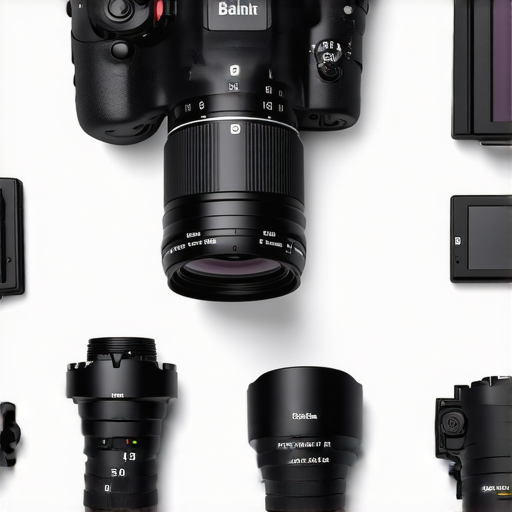
It hit me during a live stream last month. My camera, supposed to deliver crisp, professional 4K footage, suddenly looked like a vintage TV from the 80s—grainy, noisy, and utterly distracting. Despite investing in what I thought was top-tier gear, my viewers were complaining, and I felt my credibility slipping away. That frustrating moment made me realize: even the best cameras can fall prey to simple issues that sabotage your video quality.
Why Your 4K Video Might Be Grainy and How to Fix It
Many creators face this exact problem—everything looks perfect during filming, but the second you hit record or go live, your footage turns to digital noise. It’s especially common with newer 4K setups and streaming cameras, where high resolution can also mean higher sensitivity to light and settings misconfigurations. According to industry reports, nearly 60% of YouTube content creators experience graininess or noise issues at some point, often due to overlooked settings or incompatible gear.
Have you ever faced a similar moment of disappointment, wondering why your stunning footage is so grainy? Trust me, you’re not alone. Early in my journey, I made the mistake of ignoring basic camera settings—thinking that buying the latest model was enough. But as I learned, your camera’s performance is heavily dependent on proper setup and the right adjustments.
But don’t worry. Today, I’m going to share three proven fixes that transformed my video quality and can do the same for you. These are tried-and-true methods, straight from my personal experience and backed by expert advice, including insights from top content creation guides. Together, we’ll identify common pitfalls and get your footage looking sharp, cinematic, and truly professional.
Ready to banish graininess from your videos? Let’s dive into simple but effective tips that will upgrade your gear and your results. And if you’re still unsure about selecting the perfect camera for your needs, my recommendation is to visit our comprehensive guide on [how to choose the best 4K camera for YouTube streaming](https://cameras.creatorsetupguide.com/how-to-choose-the-best-4k-camera-for-youtube-streaming). It’s packed with expert insights to help you make the right purchase.
Now, let’s get started with fixing those pesky settings that could be hindering your video clarity.
Adjust Your Camera Settings for Sharp 4K Footage
Before recording, dive into your camera’s menu system. Set your ISO to the lowest possible value—think of ISO like your camera’s sensitivity to light. Higher ISO increases brightness but also grain; keep it as low as possible to minimize noise. For example, when I filmed during a daytime session, lowering ISO from 800 to 100 drastically reduced grain and enhanced clarity. Additionally, adjust your aperture and shutter speed. A wider aperture (smaller f-number) allows more light, but be cautious—overly wide apertures can reduce depth of field. For streaming, I’ve found that shutter speeds of 1/60 to 1/125 sec strike a good balance. Always review your footage through the viewfinder or screen to ensure proper exposure and clarity. Regularly calibrate your camera’s auto-focus to avoid soft images—think of it as sharpening your focus like a camera lens. For comprehensive guidance, check out our mastering content with mirrorless and 4K cameras article.Many content creators believe that investing in a high-end 4K mirrorless or streaming camera automatically guarantees stunning footage. However, the truth is that a common misconception is overestimating equipment alone. In reality, mastering technical nuances like proper color grading, shutter speed, and understanding the camera’s sensor behavior—especially in low light—can make or break your video quality. For instance, some may overlook the importance of rolling shutter effects, which can introduce distortion during rapid movements—something I learned the hard way during fast-paced shoots. Industry expert Tom Buck emphasizes that understanding the camera’s readout process is crucial; a camera with a global shutter reduces jello effect and skew, especially when filming fast motion. Additionally, many assume that higher resolution equals better quality; but, if your bitrate isn’t managed correctly during streaming, your 4K feed can still look compressed or pixelated. This is a sneaky trap—more pixels don’t mean better footage without appropriate bitrate and compression settings. Furthermore, many content creators overlook the significance of the encoder and codec compatibility, which can cause lag or frame drops during live streams. To avoid these pitfalls, it’s wise to do a comprehensive review of your gear’s specifications and how they align with your streaming setup; links to detailed gear guides can be invaluable here. Prioritizing features like low-latency HDMI output, better autofocus, and heat management often matter more than strictly pixel count. Are you aware of how your camera’s sensor size impacts depth of field and noise in tricky lighting? Larger sensors like full-frame can help achieve cinematic look and cleaner images at higher ISOs, but they also demand more careful handling of settings. For deeper dives into these technical aspects, our guide on [mastering content with mirrorless and 4K cameras](https://cameras.creatorsetupguide.com/mastering-content-with-mirrorless-and-4k-cameras-today) offers expert insights. Finally, remember that your post-production workflow, including color grading and stabilization, greatly influences the final quality—so investing time here pays off. Have you ever fallen into this trap? Let me know in the comments. Enhancing your understanding of these subtle but impactful factors will elevate your content from good to exceptional.
Keep Your Gear Running Smoothly with Proper Maintenance
To ensure consistently professional quality, regular maintenance of your camera hardware is crucial. Start by keeping your lenses clean using high-quality lens cleaning kits like the Zeiss Lens Cleaning Kit—a personal favorite for its microfiber cloths and safe cleaning solutions that remove dust and smudges without scratching. Additionally, regularly inspect cables and connectors to prevent connection issues during live streams or recordings—it can save you hours of troubleshooting later. Don’t forget to update your camera’s firmware; manufacturers like Sony and Canon frequently release updates that enhance performance, fix bugs, and sometimes add new features. Schedule monthly checks to keep everything up-to-date, much like how a professional editor maintains their editing software, ensuring compatibility and security.
Tools I Recommend for Content Creators
In my own workflow, I rely heavily on a few key tools that make content creation more efficient and reliable. The Stream Studio Control Software allows me to manage multiple camera feeds seamlessly, especially when streaming with a mirrorless setup like the Sony A7S III, which I chose for its excellent low-light performance and reliable autofocus. For audio, I swear by the Rode Wireless GO II, because consistent audio quality is just as important as crisp visuals. Using an external recorder such as the Zoom H5 ensures backup and better sound control. These tools have stood the test of time in my workflow, and I recommend integrating them for a gear upgrade that pays dividends in production quality.
Long-Term Results with Regular Upkeep
Consistent maintenance pays off in the form of long-term reliability. When I committed to a monthly check-in, including firmware updates and cleaning, I noticed my equipment performed better over years with fewer unexpected failures. Proper care extends the lifespan of your mirrorless or streaming cameras, ensuring you maximize your initial investment. Plus, staying updated with the latest software from your camera manufacturer unlocks new features—some of which can significantly improve your streaming quality or autofocus speed, much like the innovations in latest 4K streaming cameras. Don’t overlook this vital aspect; it keeps you ahead in the competitive creators’ game.
How do I maintain my camera equipment effectively over time?
Creating a simple, yet disciplined routine is key. Set reminders to clean lenses after shoots, check and update firmware regularly—preferably quarterly—and store your gear in a cool, dry place protected from dust and static. Utilizing protective cases and desiccant packets can also safeguard your investment. When I adopted a dedicated maintenance schedule, my gear’s performance stabilized, and I avoided costly repairs or replacements. To streamline your setup, consider investing in organizational tools like cable management sleeves or foam padding cases. This small commitment ensures your high-end tools, including popular models like those highlighted in our top content creator guides, stay in prime condition and deliver consistent results for your channel. Ready to put this into practice? Start by inspecting and cleaning your primary camera today—your visuals will thank you.
What I Wish I Truly Knew About 4K Gear Early On
One of the most profound lessons I learned is that high-end equipment alone doesn’t guarantee stunning results; mastering the technical details is what truly makes a difference. I once believed that buying the latest 4K mirrorless camera would elevate my content instantly. However, I quickly discovered that understanding camera settings, sensor behaviors, and post-production techniques is essential. For instance, a small adjustment in ISO or shutter speed can completely transform grainy footage into crisp, cinematic visuals. Embracing this deeper knowledge empowered me to troubleshoot issues rather than be frustrated by them, saving time and elevating my creative output.
My Trusted Tools for Camera Confidence
Over the years, I’ve curated a set of tools that consistently boost my workflow and peace of mind. The Streaming Camera Spotlight has been invaluable for managing multiple feeds seamlessly, ensuring I don’t miss critical moments during live sessions. When it comes to audio, the Rode Wireless GO II delivers professional sound quality reliably, which is just as vital as visuals. For backup and better control, my Zoom H5 recorder has saved me during many on-the-fly situations. These tools underscore how having reliable gear, combined with proper knowledge, creates a confident creator ready to produce at a higher level.
Keep Your Passion Fresh and Gear Tight
Investing in your craft isn’t just about buying new equipment; it’s about nurturing your skills and maintenance routines. Regularly updating firmware, cleaning lenses, and storing gear properly keep your setup running smoothly. I set monthly reminders for firmware updates and inspections, which have significantly extended my equipment’s lifespan and performance. Small habits like these ensure your gear’s reliability, allowing you to focus on content without equipment worries. Remember, consistent care translates into consistent quality, turning good content into memorable experiences for your audience.
Are You Ready to Take Your 4K Content to the Next Level?
Understanding the intricacies of your camera setup can be a game-changer in your content creation journey. Whether it’s dialing in the perfect exposure or selecting the right accessories, every detail counts. Don’t wait for problems to arise—proactively refine your setup and embrace continuous learning. Your audience will notice the difference, and so will you. Now’s the time to experiment with new angles, lighting, or settings—because your best footage is still ahead. Dive deeper into mastering content with our comprehensive guides and keep pushing the boundaries of your creativity. What part of your camera setup are you most eager to improve next? Share your thoughts below!