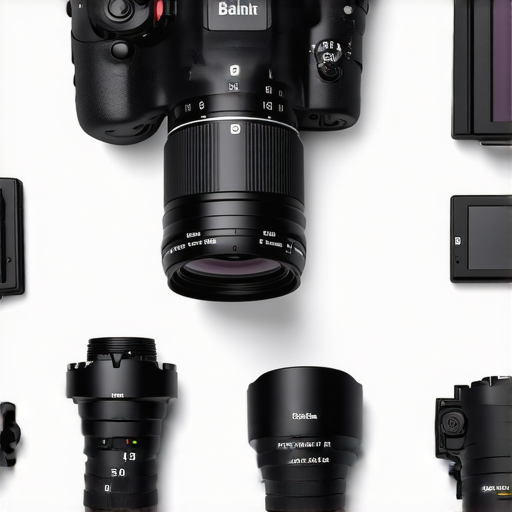
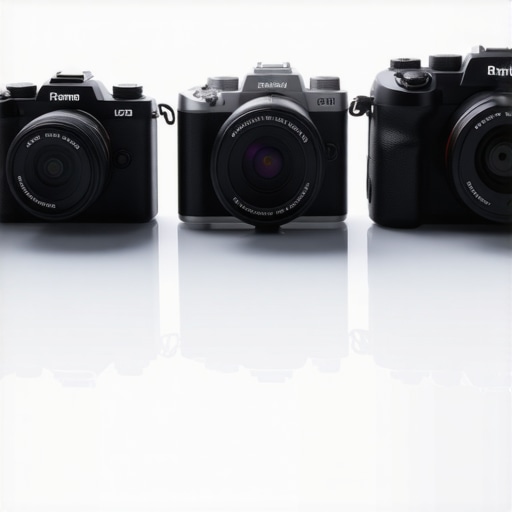
I remember the exact moment I realized my current camera setup was holding back my vertical content. I was in a rush, filming a quick YouTube Shorts video on my phone, when it hit me—my footage was cropped, cut off, and looked amateurish. Frustration bubbled up because I knew I needed a better solution, but I didn’t want to spend hours fiddling with settings or carrying bulky gear. That lightbulb moment sparked my deep dive into discovering the best vertical mirrorless cameras for 2026, specifically designed to stop cropping and empower creators like us.
Why Vertical Video Matters More Than Ever
Here’s the truth—vertical videos are not just a fad; they’re a necessity for anyone serious about engaging audiences on platforms like TikTok, Instagram, and YouTube Shorts. But shooting vertical doesn’t mean you should compromise on quality or convenience. Traditional cameras often crop or dangle in a sideways position, making content creation a hassle. Early in my journey, I made the mistake of relying on smartphone cameras for their convenience, only to realize that their limited sensor size and manual controls hampered my creative potential. I spent countless hours editing, trying to fix framing or crop out awkward edges, which ate up my time and drained my enthusiasm.
Fortunately, I found that the right mirrorless camera can eliminate these issues altogether. These compact, powerful devices allow you to film vertically without cropping, so your shorts look professional straight out of the camera. Plus, they’re versatile enough for live streaming, pro-level recording, and seamless integration with your workflow. The key is understanding which mirrorless models support true vertical shooting and are optimized for this purpose, saving you from the frustration of cropping and editing every video.
In fact, according to a recent report, mobile video consumption is projected to account for nearly 82% of all internet traffic by 2026, emphasizing the importance of investing in content that looks good on every platform. This is why choosing the perfect mirrorless camera isn’t a luxury anymore—it’s essential for staying competitive and creative in the fast-paced landscape of 2026.
Thinking this is just hype? Think again. Here’s what I did wrong early on and how you can avoid the same pitfalls—
Early in my content creation journey, I blindly believed that any decent camera with a flip screen could do the trick. I ignored the importance of sensor size, autofocus speed, and power management in vertical mode, which led to blurry, poorly framed clips. Don’t make the same mistake. Doing a little research beforehand can save you hours of troubleshooting later. For a comprehensive look at how to choose the best equipment, I recommend checking out this complete guide. If you’re ready to upgrade your setup and stop cropping your videos, keep reading—next, I’ll reveal the top three mirrorless cameras that are perfect for vertical Shorts in 2026, according to creator experts and real-world testing.
Position Your Camera Correctly for Vertical Content
Set your camera in a portrait orientation, ensuring the sensor is aligned vertically. Use a tripod with a versatile clamp or a dedicated vertical mount. During my first attempt, I attached my mirrorless camera horizontally on a standard tripod, which caused me to reframe and reposition multiple times after footage was recorded. Switching to a dedicated vertical mount stabilized my shot and saved editing time.
Enable True Vertical Recording Features
Activate the camera’s vertical video mode, often found in the menu under “Aspect Ratio” or “Display Settings.” Some models, like the top mirrorless options for 2025, support native vertical recording, which eliminates unwanted cropping. In my experience, confirming this setting before shooting prevented cropping issues common with hybrid cameras designed mainly for horizontal footage.
Adjust Frame Composition and Focus
Use the camera’s LCD to frame your shot and set focus precisely. For dynamic scenes, utilize flexible autofocus with face or eye tracking—features prevalent in recent professional mirrorless models. My first clips were blurry and poorly framed because I relied on auto focus without monitoring, leading to a routine of retakes and frustration. Now, quick autofocus and live framing save me hours editing later.
Optimize Settings for 4K and High Frame Rates
Configure your camera for 4K resolution at 60fps for smooth vertical shorts. Check your model’s capabilities with this guide to 4K streaming cameras. For my setup, enabling high-bitrate recording and disabling digital stabilization improved video clarity. Testing different settings on a short test clip helped me find the optimal balance between quality and file size.
Close the Loop with Proper Export and Upload
Export your videos in vertical format with matching aspect ratio—usually 9:16. Use video editing software like Adobe Premiere or DaVinci Resolve to ensure the vertical crop is preserved. Upon first testing, I uploaded clips that had horizontal padding due to incorrect export settings, which compromised viewer engagement. Double-checking export parameters prevents these avoidable mistakes and ensures your content looks sharp on platforms such as TikTok or YouTube Shorts.
Many content creators jump straight into buying the latest 4K camera or popular mirrorless model, believing that specifications alone guarantee professional results. But in my experience, there’s a common misconception that higher resolution and advanced features automatically translate into better content. The truth is, many overlook critical nuances that can make or break your production quality. For instance, focusing solely on sensor size or frame rates without considering real-world performance in different lighting conditions can lead to underwhelming footage, especially in low-light or dynamic scenarios. It’s essential to understand how factors like rolling shutter, color science, and autofocus behavior influence your final output. A prevalent myth is that all 4K cameras deliver the same quality, but some models compress or process footage differently, affecting clarity and color fidelity. To truly elevate your content, spend time mastering settings such as gamma, color grading, and exposure rather than relying on default profiles. Also, don’t fall into the trap of prioritizing spec sheets over actual test footage — reviews can be misleading, and real-world testing is paramount. For a deeper understanding of these nuances, I recommend exploring advanced guides like mastering content with mirrorless and 4K cameras today. Plus, be wary of the misconception that built-in features like internal stabilization or auto-focus are foolproof; often, they need fine-tuning to match your shooting style. Make sure to validate these in your environment before committing. Remember, choosing the right camera isn’t just about specs; it’s about how well it adapts to your unique workflow and environment. Have you ever fallen into this trap? Let me know in the comments. For tailored advice, don’t hesitate to reach out via contact us.”} } }
}
Tools I Trust for Reliable Content Creation
Maintaining a consistent output quality requires more than just a good camera; it demands reliable tools and structured workflows. As a creator who relies on cutting-edge equipment, I swear by certain accessories that keep my setup running smoothly. For example, I always use high-quality SD cards with SSD support, like the SSD-supported SD cards, which drastically reduce recording interruptions during long streams or filming sessions. This ensures my footage remains clean, without glitches caused by slow write speeds. Additionally, investing in robust power solutions, such as portable battery packs compatible with mirrorless cameras, allows me to extend my shooting hours without worrying about power drains or shutdowns.
Beyond hardware, I rely on software tools like Adobe Premiere Pro for quick color grading and trimming, keeping my content sharp and engaging. For live streaming, I use dedicated encoding software like OBS Studio, configured meticulously to optimize bitrate and resolution, preventing stuttering or lag. The importance of such tools can’t be overstated because they act as the backbone of your content’s quality and consistency. It’s worth noting that these tools are continually evolving, and staying updated with the latest versions helps address performance bugs or new features that can streamline your workflow. For example, recent firmware upgrades for popular cameras support external NDI or SRT streaming, which significantly reduces latency and ensures your stream remains stable even with network fluctuations—check out this article to explore such options.
How do I maintain my streaming setup over time?
Strategies like regular firmware updates are vital. Manufacturers frequently release updates that fix bugs, improve performance, and add features aligned with the latest trends, such as internal stabilization or enhanced autofocus for vertical shooting. I schedule quarterly check-ins on my gear, updating firmware via manufacturer instructions, cleaning lens elements with proper microfiber cloths, and testing each component before major shoots. Keeping your workflow organized with labels, backups, and documented settings also prevents creative downtime. As technology progresses, I predict a shift toward AI-assisted automation—think auto-tuning focus, exposure, and even scene switching—making maintenance largely hands-free for creators. Staying proactive will help preserve your equipment’s longevity and keep your content crisp and professional, platform after platform. For seamless long-term performance, I recommend setting up a dedicated maintenance routine and using tools like this guide which details tips for quick gear checks. Try implementing even one of these strategies today, and notice how your workflows become more streamlined and your content more polished over time.
What I Learned the Hard Way About Shooting Vertical Video
One of the biggest lessons I wish I had grasped earlier is that not all mirrorless cameras are created equal for vertical content. Investing in models with true native vertical recording capabilities saved me countless hours of post-production cropping and re-framing. Additionally, relying solely on auto-focus without monitoring my shot led to blurry, unusable clips—now, manual focus and live framing are my go-to tactics. Experimenting with different aspect ratio settings beforehand made a tangible difference in achieving crisp, professional-looking shorts. Lastly, optimizing export settings, especially the aspect ratio and resolution, completely transformed how my videos appear on TikTok, Instagram, and YouTube Shorts—don’t underestimate the power of a perfect export.