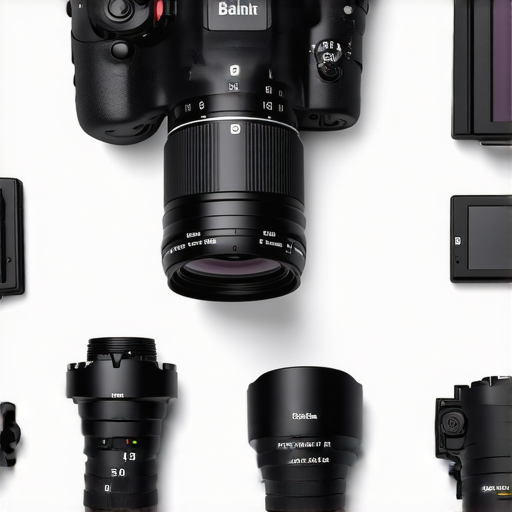
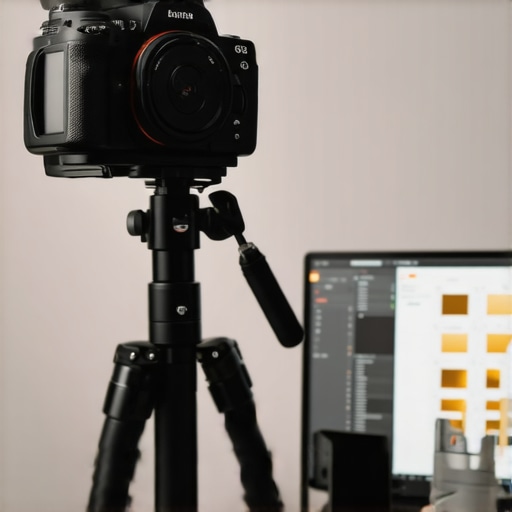
It hit me during a late-night recording session—my camera flickered and died just as I was about to capture that perfect shot for my latest video. Frustration? Yeah, definitely. But more than that, it was a lightbulb moment: I realized how critical quality gear is for creators in 2025. Like many of you, I’d been trying to make do with outdated equipment, hoping that a decent setup would do the trick. Turns out, the right camera can make all the difference between a video that gets ignored and one that’s shared and celebrated.
Why Choosing the Right 4K Camera Is More Important Than Ever
In a world flooded with content, visual quality can instantly set you apart—or sink your channel before it even begins. As a content creator myself, I’ve learned that investing in a good camera isn’t just about sharp images; it’s about creating a seamless, engaging experience for viewers, whether you’re filming a vlog, doing a live stream, or shooting YouTube Shorts. And with technology advancing rapidly, what was considered top-tier last year might be outdated now. According to a recent study by Pew Research Center, 61% of viewers are more likely to engage with videos that are visually crisp and professionally presented, emphasizing the need for quality visuals to succeed in 2025.
When I first started, I fell into the trap of thinking any camera could work. I bought the cheapest model, hoping to save money. But I quickly realized that compromises in resolution, autofocus, and low-light performance hampered my entire workflow. I regret that early mistake because it delayed my growth and made me question whether I was cut out for content creation. If you’ve faced this dilemma—wondering if you’re missing out on potential because of subpar gear—I totally get it. That’s why I want to share what I’ve learned about selecting the best 4K camera today.
As we explore these options, we’ll focus on practical, real-world advice to help you avoid my pitfalls and choose gear that elevates your content. Curious about the latest models and how they fit your needs? Check out our comprehensive guide on how to pick the perfect 4K camera for your YouTube channel. Now, let’s dive into what makes a camera truly suitable for creators in 2025 and beyond.
Choose Your Camera Type and Model Tactically
Start by identifying your primary content needs—vlogging, live streaming, or short-form videos—and select a camera that specializes in those areas. For instance, a mirrorless camera like the top mirrorless models provide excellent autofocus and cinematic quality for vlogs and Shorts. Think of your camera as a vehicle; picking the right type ensures you arrive smoothly at your destination of engaging content.
Prioritize Video Specifications Over Photo Features
While many cameras excel at photography, focus on video capabilities—look for features like 4K resolution at 60fps, HDMI output for clean streaming, and strong low-light performance. A practical example: I once tested a high-megapixel camera for streaming but faced issues with overheating and unstable frame rates. Instead, opting for a dedicated streaming camera such as those highlighted in best 4K streaming options proved more effective.
Configure Your Camera Settings for Live Content
Set your camera’s resolution to 4K for crisp visuals. Adjust your exposure and white balance manually to prevent flickering and color shifts during streaming. Use a waveform monitor or histograms to fine-tune these parameters—think of it as setting your gear to ‘sail smoothly’ through unpredictable conditions. I once overlooked this step, leading to washed-out streams that I had to redo, costing precious time. Visit this resource for in-depth setting configurations tailored for creators.
Leverage the Right Autofocus and Stabilization
Autofocus ensures you stay sharp, especially when moving or changing angles. Use cameras with Dual Pixel or similar fast autofocus technology. Complement this with in-body stabilization or external gimbals—consider a compact stabilizer to maintain smooth footage. I once shot a live Q&A where auto-focus kept hunting, causing distracting shifts—switching to a camera with reliable autofocus saved that session. For detailed gear options, explore this guide.
Test and Fine-Tune Your Setup Before Going Live
Always run full setups before scheduled streams. Check framing, focus, audio sync, and lighting. Record a short test clip, review it critically, and adjust as needed. Think of it as rehearsing before the big show—missing this step can leave technical issues unnoticed until real-time. I learned this the hard way after a live launch where audio and video were out of sync, leading to a frustrating troubleshooting session mid-stream. See this comprehensive guide for detailed testing procedures.
Many creators believe that the latest 4K mirrorless camera or the most expensive streaming setup guarantees success, but the truth is often more nuanced. One common myth is that higher megapixels or more advanced specs automatically translate into better content quality. In reality, camera choice should align with your specific workflow and content style, not just brand prestige or specs listed on a spec sheet. For example, a camera with superb raw image quality might falter in live streaming if it lacks reliable autofocus or clean HDMI output, key features for seamless broadcasts.
Another trap creators frequently fall into is assuming that newer models are inherently better for all scenarios. While technology advances rapidly, not every new release suits your needs—sometimes, an older, well-understood camera offers more stable performance and better compatibility. For content creators, especially those venturing into live streams, overlooked factors like heat management and power efficiency are critical. Many assume that a high-resolution sensor guarantees crisp footage, but failing to consider firmware optimization and sensor noise in low light can lead to disappointing results.
The notorious ‘more is better’ misconception can also lead you astray. Investing in a top-tier mirrorless camera with all the bells and whistles might seem ideal, but if your primary content is vlogging or streaming, a lighter, more user-friendly model with reliable autofocus and effective stabilization could serve you just as well—if not better. This is why understanding the practical differences and the true necessities for your specific setup is vital.
For advanced creators, considering the nuances of color science, bit depth, and codec choices becomes essential if you aim for professional-grade post-production. These details, often overlooked in beginner guides, influence your workflow significantly. For example, cameras with higher bit depth offer more latitude during color grading, but only if your editing software and storage solutions can handle the increased data.
Avoiding these common misconceptions and traps requires deeper knowledge and a critical approach. It’s not just about grabbing the newest model but understanding how a camera’s features complement your content style, production environment, and future growth plans. If you’re unsure about the best gear for your unique needs, check out our comprehensive guide on how to choose the best 4K camera for YouTube, and always test your equipment in real-world scenarios before going live.
Now, ask yourself: Have you ever fallen into this trap? Let me know in the comments. Remember, the right gear is just part of the equation—knowing its capabilities and limits is what elevates your content.Maintaining your camera gear over time is crucial to ensure consistent quality in your content. Regular upkeep prevents unexpected breakdowns, preserves image quality, and extends the lifespan of your investment. One of my go-to tools is a cleaning kit tailored for mirrorless and DSLR sensors, which I use bi-monthly to remove dust and smudges that can cause dull images or autofocus issues. Additionally, investing in a portable, reliable power bank allows me to shoot longer sessions without worrying about battery drain, especially during outdoor shoots.
Software updates are another vital aspect. Manufacturers regularly release firmware updates that fix bugs, improve autofocus, and enhance stabilization capabilities. For example, keeping your camera’s firmware current ensures compatibility with new accessories and streaming platforms, which is a game-changer for live content. I make it a point to check for updates at least once every quarter, following the manufacturer’s instructions diligently to avoid bricking the device.
Protective accessories like lens filters, cages, and weather sealing also play a role. During unpredictable weather, my UV filters shield the lens from scratches and water droplets, saving me costly repairs. For long-term results, I rely on high-quality, brand-specific accessories that are known for durability and compatibility, which I learned from expert reviews on this resource.
For scaling your setup, consider modular accessories that grow with your content needs. External audio interfaces, for instance, can turn a simple mirrorless setup into a professional recording station, enhancing your overall production quality. The key is to assess both your current demands and future ambitions—because as any expert will tell you, the right tools can make or break your workflow over time.
How do I maintain my gear over time? Regular cleaning, firmware updates, and protective measures are vital. I also recommend setting up a routine checklist before every shoot—check batteries, lens cleanliness, firmware, and connection cables—so nothing slips through the cracks. These practices save time, money, and frustration, allowing you to focus more on creating content and less on troubleshooting.
Remember, technology advances rapidly, and staying current requires proactive maintenance. For the most advanced tips tailored for content creators, including selecting the best tools for scaling your workspace, visit our comprehensive guide on how to choose the right gear and keep it performing at its peak. Don’t hesitate to try one of these maintenance routines today—your future self will thank you for the smoother shoots and better results!
What I Wish I Knew Before Diving Into 4K Content
Investing in the right camera truly accelerates your growth—it’s not just about resolution but how seamlessly your gear integrates into your workflow. I once believed that just buying the latest model would instantly boost my channel, but I soon realized understanding my exact needs and how a camera performs in real-world scenarios is critical. The biggest lesson? Compatibility and practical features outweigh only chasing specs. This insight saved me countless hours and frustrations, and I hope it guides you even better.
My Go-To Tools for Content Creators in 2025
Choosing trusted resources made a huge difference in my journey. Detailed buying guides helped me identify cameras that suit my style, emphasizing real-world performance over flashy specs. The spotlight on streaming cameras showed me how to optimize my setup for live content, a game-changer. Plus, expert reviews from top mirrorless models kept me updated on the best tools I can rely on without breaking the bank.
Embrace the Creative Power of Your Equipment
Finding the perfect gear is only part of the story—what truly transforms your content is how you leverage it. Don’t let the fear of choosing ‘perfect’ gear stall your progress; instead, focus on mastering what you have, continuously experimenting, and adapting. Every creator starts somewhere, and in 2025, the right camera, combined with a growth mindset, can elevate your presence to new heights. Remember, technology evolves fast, but your unique voice and consistency remain your most valuable assets. So, get out there, refine your setup, and turn your visions into reality.
This article resonates with me as I’ve also learned the importance of investing in a reliable, high-quality camera to truly elevate my content. I used to think that having the latest tech was enough, but after some frustrating experiences with overheating and unreliable autofocus, I realized that understanding my specific needs and choosing the right model made a significant difference. I’ve found that setting up and testing my gear thoroughly before going live saves a lot of headaches and ensures a more professional presentation.
Regarding the point about firmware updates, I totally agree. Keeping your camera’s firmware current is often overlooked, but it can improve stability and compatibility with newer accessories. Do others find it challenging to stay on top of these updates, especially with multiple devices? Any tips on managing this efficiently during a busy content creation schedule? Would love to hear how fellow creators stay organized with their gear maintenance.
This post really hits home for me, especially the part about testing your setup before going live. Over the past year, I’ve noticed how small tweaks in camera settings—like white balance and focus—can dramatically improve the quality of my streams and videos. I used to rush into a shoot without proper checks, which sometimes led to technical hiccups or inconsistent quality, especially in live scenarios. Now, I dedicate some time every session to run a quick test, just as you suggested, and it’s made a huge difference. I still wonder, though, how do other creators balance thorough testing with tight schedules or last-minute changes? Do you have any routines or tools that make this process more efficient? I’d love to hear tips from the community to streamline this part of content creation, so I can focus more on the creative aspect rather than troubleshooting.
This article really hits home for me, especially the focus on choosing the right camera for specific content needs. I’ve made the mistake of jumping into high-end gear without considering whether it truly fits my workflow, which led to some frustration with overheating and autofocus issues during live streams. It’s a reminder that understanding your needs and thoroughly testing your setup is crucial, especially with the rapid pace of tech advances in 2025. I’ve started dedicating time to test all my settings before every stream, and I can see a noticeable improvement in quality and confidence. I’d love to hear from fellow creators—how do you manage testing and setup routines under tight schedules? Are there any tools or shortcuts you use to streamline this process without sacrificing quality? It’s fascinating how small adjustments can make such a difference, and learning from each other’s practices could really help us all step up our game.
This post hits home for me, especially the part about testing your setup before going live. Over the past year, I’ve started dedicating some extra time to run tests for framing, focus, and audio sync, and it’s really paid off. I used to skip this step in my rush to go live, which often resulted in technical issues that disrupted the flow and felt unprofessional. Now, I make it a routine—reviewing my settings and doing a quick recording check beforehand. It might seem tedious, but it saves so much headache later. With technology progressing so fast in 2025, do others find it challenging to keep up with these regular checks? Are there tools or apps you recommend to streamline this process? I’d love to hear how fellow creators are balancing thorough setup routines with tight schedules—any tips would be appreciated! Keeping my gear in check really helps me focus on the actual content creation, which is ultimately what matters most.