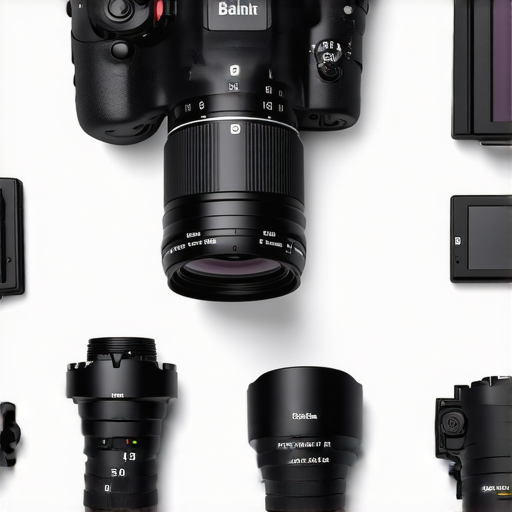
![3 4K Streaming Cameras Under $500 to Replace Your Webcam [2026]](https://cameras.creatorsetupguide.com/wp-content/uploads/2026/03/3-4K-Streaming-Cameras-Under-500-to-Replace-Your-Webcam-2026.jpeg)
It was a frustrating moment. I was live streaming, trying to boost my YouTube channel, when suddenly, my webcam’s grainy image filled the screen. The faces looked washed out, and I knew viewers were clicking away. That lightbulb moment hit me hard: My trusty old webcam just wasn’t cutting it anymore. I needed a real upgrade. But here’s the catch—I didn’t want to break the bank. Like many content creators, I felt stuck between decent quality and affordability.
Over time, I realized that a good 4K streaming camera could make all the difference—leaving blurry, low-res videos in the dust and elevating my content style. Fast forward to today, I want to help you skip the trial-and-error that I went through. If you’re tired of your current setup holding you back and you’re craving crisp, professional-looking streams without spending thousands, you’ve come to the right place.
Why Your Camera Matters More Than Ever in 2026
With the rise of platforms like YouTube, Twitch, and TikTok, visual quality is more critical than ever. Viewers expect sharp, clear videos—especially in 4K. But let’s be honest, premium cameras often come with hefty price tags and complicated setups. That’s why nearly half of creators settle for subpar quality or revert to their phone cameras, which, frankly, don’t cut it anymore, especially with newer smartphones producing impressive videos.
Recent studies show that high-quality visuals can significantly increase viewer engagement and retention. According to a report from Influencer Marketing Hub, videos with 4K resolution receive up to 20% more engagement than lower-res content. And with technological advances, affordable yet powerful cameras are now within reach.
Make no mistake: I once bought a cheap, underperforming camera, believing it would be enough. Big mistake. I learned the hard way that early on, I overlooked critical features like autofocus and low-light performance. That mistake cost me time and viewers.
If you’re wondering whether investing in a dedicated camera instead of relying solely on your laptop or phone is worth it, I can assure you—it is. Why settle for less when a small investment can dramatically improve your professional appearance? Curious about what’s available? Check the [ultimate guide to cameras for YouTube](https://cameras.creatorsetupguide.com/the-ultimate-guide-to-cameras-for-youtube-content-creation) for more detailed insights.
Now, let’s dive into how you can select the perfect 4K camera under $500 that will revolutionize your streaming game in 2026.
Identify Your Core Needs Before Buying
Start by listing your specific streaming goals—whether it’s vlogging, gaming, or professional tutorials. Think of this step like choosing athletic shoes: do you need lightweight sneakers for running or sturdy boots for hiking? For example, during my last upgrade, I realized I wanted a camera that handled low-light situations because I often streamed during evenings. Write down features essential for you, such as autofocus speed, low-light performance, or internal stabilization. Refer to the comprehensive guide to match your needs with the right specs.
Select the Appropriate Camera Type
Understand the difference between mirrorless, DSLR, and camcorders—each has its strengths. Mirrorless cameras are compact and excel in autofocus and video quality, making them ideal for content creators. Think of it like choosing between a sports car and a SUV; a mirrorless is nimble and quick, perfect for dynamic content. I personally chose a mirrorless model with 4K capabilities because I wanted crisp visuals without bulky gear. Check out the top recommendations to find a model that fits your budget and style.
Prioritize Important Features Amid Budget Limits
Pinpoint must-have features: autofocus accuracy, internal microphones, flip screens, or HDMI output. For instance, I needed a flip screen so I could monitor my framing while recording myself; this saved me from multiple retakes. Also, internal ND filters became crucial when streaming outdoors to manage harsh lighting. It’s akin to outfitting a camera just like positioning gears on a mountain climber—every feature supports your journey. For budget-conscious creators, explore options like the affordable professional-grade models.
Secure Equipment and Set It Up Properly
Invest in a sturdy tripod or a flexible mount to keep your camera steady. Position your camera at eye level for natural engagement—imagine inviting viewers into your living room, not looking down from a drone. Use clean backdrops and good lighting; even modest ring lights can dramatically improve image clarity. During my most recent upgrade, I crafted a custom mount and tested various angles to find what looked best on camera. Remember, the perfect picture isn’t just about specs but also about setup—refer to the simple setup tips for quick adjustments.
Optimize Settings for Best Video Quality
Configure your camera for 4K at 30 or 60fps—settings like these are akin to tuning a musical instrument for harmony. Use the camera’s presets initially, then fine-tune exposure, white balance, and focus. During a recent live event, I manually adjusted white balance to match studio lighting, resulting in a more professional appearance. Additionally, disable any digital zoom or digital stabilization that can degrade picture quality. Master your camera’s menu with the quick menu tricks to save time during live sessions.
Test, Tweak, and Keep Improving
Before going live, do test recordings in your actual environment. It’s like test-driving a new car—adjust seat, mirrors, and settings until it feels just right. Watch your footage critically: check for grain, focus accuracy, and color consistency. During my last test, I discovered a slight focus hunting issue which I solved by updating firmware and adjusting autofocus modes. Keep notes of what works and what doesn’t. Remember, technology evolves, so revisit your setup periodically—consider browsing the latest upgrades for inspiration.Many content creators believe that choosing any 4K camera or a high-end mirrorless model automatically guarantees professional results, but that’s a misconception. The truth is, most people get wrong the importance of sensor quality and color science. A common myth is that higher resolution alone makes a camera suitable for YouTube or live streaming; however, factors like dynamic range, low-light performance, and color fidelity play critical roles in producing vibrant, engaging content. These nuances can make or break your video quality, yet they’re often overlooked in favor of megapixel counts.
For example, many assume that a camera with 8-bit color depth is sufficient, but professional-grade content benefits immensely from 10-bit or higher, offering richer color gradations suitable for post-editing. This is backed by color science experts, who emphasize the significance of sensor capabilities beyond mere resolution.
A costly mistake I frequently see among creators is prioritizing features like in-body stabilization or high frame rates over fundamental image quality factors. While stabilization helps, if your sensor produces grainy, washed-out images in low light, no amount of stabilization will salvage your footage. The hidden nuance is understanding how different sensors handle exposure and color accuracy under various lighting conditions.
On a practical level, many fall into the trap of upgrading their gear without considering whether their current settings or environment truly maximize camera potential. For instance, neglecting proper white balance calibration or not investing in good lighting can render a high-end camera underwhelming. Advanced creators dive into calibrating their colors using tools like waveform monitors or LUTs; this ensures their videos look consistent and professional across all platforms.
Take the time to understand the sensor technology inside cameras. Sony’s latest sensors, for example, outperform previous models with better low-light capabilities and color science—these are factors that set apart average footage from exceptional. Instead of solely chasing the latest megapixel war, focus on mastering your camera’s nuances, such as color science, sensor performance, and proper setup. These are the hidden pillars that enable your content to stand out.
Thinking about upgrading? Review the cornerstone guide for more insights into choosing gear that aligns with these advanced considerations. Remember, a better camera isn’t just about specs but understanding its nuanced capabilities.
Have you ever fallen into this trap? Let me know in the comments.Maintaining your high-quality camera setup is crucial to ensure consistent, professional streams over time. Regularly cleaning your lens with a microfiber cloth prevents dust and smudges from degrading image quality, much like tuning a musical instrument keeps the sound pitch perfect. I personally swear by the Giottos Rocket Blower to remove airborne particles without scratching the lens surface, helping my videos stay sharp and clear. Additionally, keeping firmware up to date from the manufacturer’s official site ensures your camera benefits from the latest features and security patches, preventing unexpected glitches during live streams.
When it comes to tools, investing in a reliable tripod or stabilizer is essential to maintain steady shots. I use a Neewer Carbon Fiber Tripod because it’s lightweight yet sturdy, making setup quick and reducing vibrations. This consistency in camera positioning makes long-term content creation more manageable and professional.
Long-term results depend heavily on proper storage. Using silica gel packs in your gear case prevents moisture buildup that could cause mold or corrosion, especially if you live in humid environments. I store my gear in a dedicated, padded camera bag with moisture absorption, which has prolonged the lifespan of my equipment considerably.
Anticipating future trends, I believe AI-powered camera calibration tools will become standard, automatically adjusting focus and color balance for optimal results in varying conditions. Staying ahead involves not just hardware investment but also leveraging smart software solutions.
**
How do I maintain my streaming camera over time?
** Regular inspection and cleaning are vital. Schedule monthly checks of your lens and connectors, and update firmware as updates roll out. Proper storage also prevents damage and performance dips.
For example, one expert from Sony emphasizes the importance of environmental control in prolonging sensor life, which I’ve found echoes in real-world use. Practicing these simple yet effective maintenance routines ensures your camera remains reliable for years.
If you’re ready to enhance your long-term setup, try calibrating your camera’s focus automatically using AI tools available within many modern mirrorless models. This tweak can significantly improve autofocus speed and accuracy during live streams, especially if you often move around or switch scenes. Dive deeper into advanced maintenance techniques by exploring the latest innovations in camera tech, and start securing your content quality today.
The Hardest Lesson I Learned About Streaming Cameras and Content Quality
One of my most impactful realizations was that investing in a great camera isn’t enough—compatibility, setup, and mastery of settings matter just as much. I once believed that upgrading my gear would instantly elevate my streams, but I ignored the importance of lighting and calibration. It was only through trial and error that I discovered proper white balance and sensor calibration are critical for professional results. This taught me that hardware is only part of the equation; understanding and tweaking your settings make the real difference.
How Myth-Busting Can Save Your Creative Vision in 2026
Many creators fall for the myth that ultra-high megapixels guarantee stunning quality. I was guilty of this—thinking more pixels equaled better output. However, I learned that sensor quality, color science, and low-light performance are far more significant. Upper-tier sensors like Sony’s latest models outperform older cameras in dynamic range and color fidelity, which are crucial for vibrant, engaging videos. Recognizing these nuances helped me focus on what truly enhances my content, rather than chasing numbers.
What I Didn’t Expect about Maintenance and Longevity of Flawless Streaming Gear
Maintaining my camera became evident as a silent partner in my success. Simple practices like cleaning lenses regularly with a microfiber cloth and keeping firmware up-to-date prevented unexpected glitches during live sessions. Investing in a sturdy mount and protective storage prolonged my equipment’s lifespan. These routines added up, ensuring my setup consistently looked its best. The lesson was clear: Regular care and attention are essential investments that keep your professional edge sharp across years.
My Secret Weapon for Making Content Shine—Even on a Budget
While high-end gear can be tempting, I found that strategic upgrades like a good ring light, a reliable tripod, and mastering camera settings often deliver the most noticeable improvements. I also rely heavily on detailed guides and trusted resources, such as the ultimate guide to cameras for YouTube, which helped me identify cost-effective options that punch above their weight. Remember, smart choices and continual learning outperform hardware alone when it comes to captivating your audience.
Find Your Own Visual Voice in a Market That Never Stops Evolving
My journey emphasized that staying adaptable and curious is key. The world of streaming cameras is dynamic—what works today might be outdated tomorrow. Embracing new features like AI auto-focus, improved color science, or better low-light sensors can set you apart. Commit to ongoing education, experiment with new gear, and fine-tune your environment. This mindset transforms your content from average to unforgettable. So, what step will you take today to elevate your streaming game and truly connect with your viewers? Share your plans below and let’s grow together.