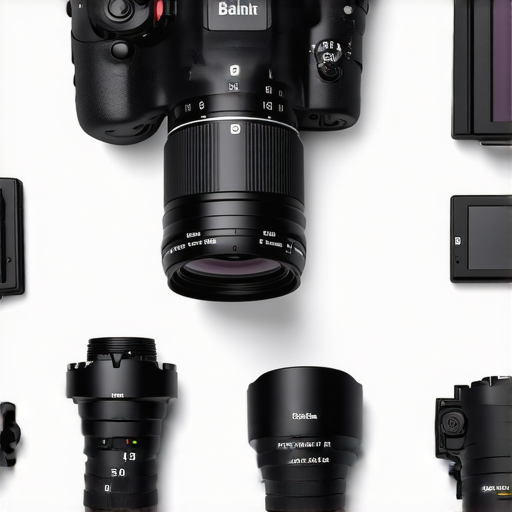
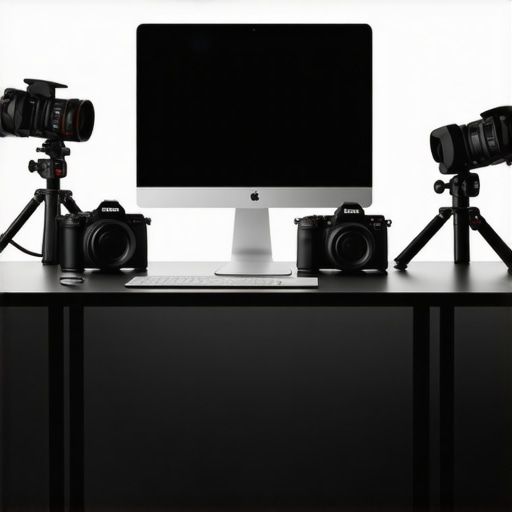
I remember the exact moment I realized my old camera wasn’t cut out for the rapid pace of YouTube Shorts or streaming. I had spent hours setting up, only to grapple with shaky footage, poor low-light performance, or just blurry images that didn’t pop on screens. It felt like trying to paint a masterpiece with a broken brush. That lightbulb moment made me rethink everything about my gear—a tragedy for any content creator who wants to grow.
Why Choosing the Right Mirrorless Camera Matters More Than Ever in 2025
In a saturated world of videos, your camera isn’t just a tool; it’s your voice, your personality, and your connection to your audience. With the leaps in technology, especially 4K and autofocus innovations, selecting the right mirrorless camera can transform your storytelling. But with hundreds of options, making a choice feels overwhelming. As I struggled, I realized many beginners make avoidable mistakes. I want to share what I’ve learned, so you don’t spend months frustrated chasing the perfect setup. Today, we’ll cover how to identify cameras that fit your style, budget, and future growth plans. If you’ve faced that nagging question—”Is this camera really worth it?”—you’re not alone. I’ll help demystify the options and pitfalls, so you can focus on creating and not just coping with your gear. Remember, the right camera isn’t just a fancy gadget; it’s a game-changer. For deeper insights, check out this extensive guide to the top mirrorless cameras of 2025. Now, let’s dive into what makes some models stand out and how to find one that truly elevates your content.
Select the Right Model for Your Style and Budget
Begin by defining your content niche—are you streaming live gaming, producing YouTube Shorts, or long-form tutorials? For rapid videos, prioritize cameras with fast autofocus and high-quality 4K capability. I dragged my feet for months, trying out budget models, but a hands-on test during a local shop visit revealed that investing in a mid-range mirrorless camera with excellent autofocus made a dramatic difference. Use the comparison charts and reviews in this guide to shortlist options fitting your budget and content needs.
Assess Your Streaming and Recording Needs
Next, determine whether your primary focus is live streaming or pre-recorded videos. For streaming, look for cameras with clean HDMI output—meaning no overlay menus—and reliable connectivity. I once set up a friend’s streaming station with a camera lacking this feature, which resulted in constant overlay clutter. It was a costly but valuable lesson. To sidestep such issues, consult this comprehensive resource that highlights the best streaming cameras of 2025.
Evaluate Low-Light and Autofocus Capabilities
Content creation often happens in varied environments, so prioritize cameras with strong low-light performance and reliable autofocus. I recall filming in a dimly lit room for a late-night tutorial; my old camera struggled, producing grainy footage. Upgrading to a model with dual-pixel autofocus and wider aperture significantly improved clarity. Use the reviews on this page to find cameras specializing in low-light situations.
Test Video Quality and User Handling
Before finalizing your choice, test footage from shortlisted models—preferably in your typical recording environment. Watch for color accuracy, rolling shutter, and how intuitive the camera controls are. I once attempted to shoot a quick test on a new model; navigating the menu was daunting, leading me to choose a more beginner-friendly option in this guide. Hands-on testing ensures your workflow remains smooth and minimizes technical distractions during actual production.
Plan for Future Expansion and Compatibility
Finally, consider your future content growth. Will you need additional lenses, microphone inputs, or integration with other gear? Picking a mirrorless camera with flexible ports and compatibility ensures long-term usability. I learned this the hard way when I bought a model with limited accessory ports, restricting my setup options. Check the detailed compatibility lists and upgrade paths in this detailed overview.
Many aspiring creators believe that simply owning the latest 4K mirrorless camera guarantees YouTube fame or streaming success, but this is a misconception. The reality is that most people overlook the nuanced factors that truly impact video quality and workflow. For instance, there’s a widespread myth that higher megapixels always translate to better footage, but in truth, sensor size and processing capabilities have a more significant influence—something expert sources like this comprehensive guide clarify.
A common trap many fall into involves the obsession with resolution. While 4K offers crisp detail, it demands better hardware, larger storage, and more powerful editing, which many overlook. If your setup isn’t optimized for these demands, your content suffers regardless of camera specs. Additionally, a less obvious mistake is neglecting accessory compatibility. You might choose a top-tier mirrorless camera but overlook whether it supports your preferred microphone or lens system—an oversight that can derail your workflow. To avoid these pitfalls, plan your ecosystem carefully, focusing on flexibility and future expansion.
Let’s not forget the most overlooked nuance: autofocus performance. Many assume that all autofocus systems are created equal, but specific features like eye-tracking and dual-pixel technology have a profound effect, especially during live streams or dynamic shooting scenarios. Cameras lacking reliable autofocus can lead to missed shots and frustrating adjustments mid-recording, reducing overall quality. For the savvy creator, understanding these inner workings is key. Check out this guide on top mirrorless options for deeper insights.
Another underestimated aspect is the impact of camera ergonomics and user interface. Even the most advanced camera is worthless if you spend hours navigating a complex menu system during a shoot or stream. It’s a mistake to ignore how intuitive the controls are—something that can be learned from hands-on reviews and user feedback. Remember, your setup needs to support a smooth creative process, not hinder it.
So, what about the myths around image stabilization? Many assume it’s only vital for handheld shots, but even on a tripod, subtle camera shake can cause issues like flickering in streaming videos or pixel shifts during editing. Advanced stabilization technology can save time and polish your output significantly. Don’t dismiss these features; they are investments in quality.
Lastly, be wary of the allure of flashy specs over real-world performance. A high frame rate and impressive marketing claims won’t mean much if your system isn’t optimized for quick startup times, reliable connectivity, or user-friendly interfaces. Focus on the holistic package, not just the specs sheet.
Have you ever fallen into this trap? Let me know in the comments and share your experiences. Remember, mastering these hidden nuances will elevate your content far beyond the basics and set you apart as a true professional.
How do I maintain my camera setup over time?
As a content creator, your camera gear is your livelihood, and maintaining it properly ensures consistent quality and longevity. I personally rely on routine cleaning with a microfiber cloth and sensor brushes to keep lenses free of dust and smudges, which can drastically impact image clarity. Regular firmware updates are equally vital; I subscribe to manufacturer newsletters and check for updates every few months, as these often improve performance and fix bugs, keeping my camera running smoothly. Additionally, investing in a reliable weather sealing kit can protect your equipment during outdoor shoots, preventing costly repairs. Predicting future trends, I believe hardware maintenance will increasingly involve smarter diagnostics—some manufacturers are already integrating diagnostic tools into their firmware, predicting failures before they happen. This proactive approach minimizes downtime and unforeseen expenses. For more on optimizing your camera’s performance, I recommend reviewing this comprehensive guide that covers routine upkeep and long-term care strategies.
Tools I recommend for reliable camera upkeep
In my toolkit, a high-quality sensor cleaning kit is indispensable—especially one with anti-static brushes and cleaning solutions designed specifically for digital sensors. I also swear by a portable vacuum blower for removing dust from lenses and sensor areas without touching delicate surfaces. For digital maintenance, I utilize software like Canon’s EOS Utility or Sony’s Imaging Edge—these allow remote firmware updates and camera diagnostics, making maintenance more efficient. For ensuring data integrity and backups, I use RAID storage systems, which safeguard against data loss during shoot days. Looking ahead, I predict that AI-powered diagnostic tools will become standard, offering real-time alerts about potential hardware issues before they escalate. To stay ahead, consider trying one of these tools and integrating routine checks into your workflow—it’s a game-changer for seamless content creation.
Lessons That Turn Mistakes Into Milestones
One of the hardest truths I uncovered was how much time I wasted chasing after specs rather than understanding my unique content needs. The moment I realized that higher megapixels don’t necessarily mean better videos for YouTube Shorts was a game-changer. I used to obsess over the latest models, but then I discovered that autofocus quirks or poor low-light performance could sabotage my workflow. Learning to match my camera’s strengths with my actual shooting environment saved me countless headaches. It’s humbling but essential to accept that what works for others might not suit your style—personalized choices matter more than trending features.
My Top Picks for Building a Future-Proof Setup
Over the years, I’ve curated a toolkit that keeps my content sharp and my system reliable. I trust this guide for its balanced insight into the best mirrorless options for creators aiming for durability and versatility. My personal favorite is the Sony A7C, thanks to its compact form and excellent autofocus, perfect for on-the-go vlogging. Pairing it with a reliable microphone and adjustable lighting kit from brands I recommend ensures my videos are consistently high-quality without breaking the bank. Invest in tools that grow with your skills, not just shiny new gadgets.
Fuel Your Passion with a Community That Inspires
Creating content can sometimes feel isolating, but connecting with other creators keeps my enthusiasm alive. I often visit this in-depth resource to stay informed about emerging gear and production techniques. Sharing experiences, troubleshooting, and celebrating each other’s wins turn solitary efforts into collective progress. Remember, your journey isn’t just about gear; it’s about building a community that pushes you to elevate your craft every day.
Step Into Your Next Level with Confidence
Every creator hits a point where complacency can hold them back—don’t let that be your story. The best investment you can make now is in yourself: learn the intricacies of your camera, refine your editing skills, and most importantly—trust your creative instincts. The future of content creation is bright for those willing to explore beyond the specs sheet. If you’re ready to take that leap, start small, test often, and celebrate your progress along the way.
What unexpected lesson about your camera setup has shaped your content journey? Drop your story below—let’s grow together!
,
Reading this post really highlighted how crucial it is to assess not just a camera’s specs but how it fits into your specific workflow and environment. I remember initially thinking that having the latest 4K camera would instantly boost my content quality, but I quickly realized that autofocus reliability and low-light performance matter just as much—if not more. For me, testing out different models in real-world settings helped me avoid future frustrations. One challenge I faced was choosing a camera with the right ergonomics since I often film handheld. I found that a model with intuitive controls and a comfortable grip made a big difference overall. Does anyone have recommendations for lightweight, user-friendly cameras that excel in autofocus and low-light situations? Balancing image quality with ease of use has been my ongoing journey, and I’d love to hear how others are approaching this.
This post really hit home about the importance of testing cameras in real-world conditions before making a purchase. I remember buying what seemed like a top-tier model because of high specs, but it turned out to be cumbersome to use during long shoots, especially with its complex menu system. I suppose that’s where ergonomics and user interface really make or break a camera’s usefulness. I’ve found that lightweight designs with intuitive controls are a game-changer, especially for handheld filming, which I do a lot of. Also, autofocus performance with eye-tracking has become crucial for my shoots, as it helps me stay focused on my subject without constant adjustments. Does anyone have recommendations for compact, beginner-friendly cameras that still deliver excellent autofocus and perform well in low-light environments? I’d love to hear other creators’ insights on balancing portability with functionality, especially in the context of quick edits or solo shoots. It’s fascinating how much our choice of gear can influence not just video quality but also our overall workflow and creative flow.
This post really resonates with my experience. When I first started focusing on short-form content like YouTube Shorts, I underestimated how much a good camera can impact the final quality. I used to struggle with stability and poor lighting, which made my videos look unprofessional despite having a decent editing setup. What helped me was investing in a mirrorless camera with excellent autofocus and good low-light performance, as the post suggests. I also learned that ergonomics is often overlooked; a comfortable grip and intuitive controls save so much headache during live filming or quick shoots. I’m curious—how do others balance the need for portability with advanced features like image stabilization and fast autofocus? Sometimes, the smaller models lack these, but I want to stay mobile and flexible. Would love to hear your tips or recommended models for someone who films on the go and values reliability in quick, informal shoots.