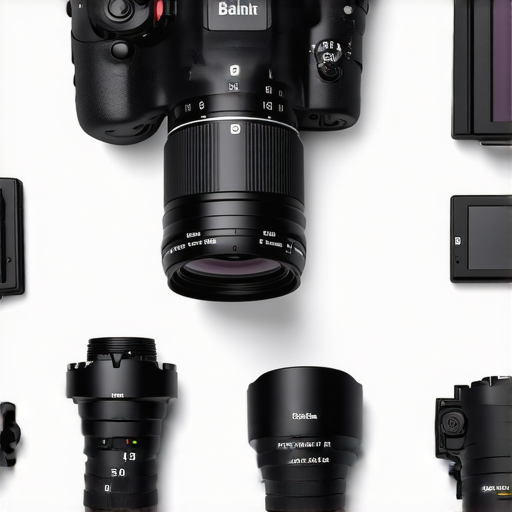
![3 Low-Light Mirrorless Cameras for Grain-Free Night Vlogs [2026]](https://cameras.creatorsetupguide.com/wp-content/uploads/2026/03/3-Low-Light-Mirrorless-Cameras-for-Grain-Free-Night-Vlogs-2026.jpeg)
I remember the frustrating nights crouched in my dimly lit room, trying to film a night vlog with my old DSLR. The grainy footage made me cringe every time I uploaded. That lightbulb moment hit—my gear wasn’t cutting it in low-light conditions. I knew I needed a game-changer, something that could handle darkness without sacrificing image quality. Have you ever faced that sinking feeling when your footage just isn’t as crisp as you want it to be, especially when filming in low light? If so, you’re not alone. Many creators stumble here, but the good news is, technology has evolved fast, and 2026 has some incredible solutions.
Why Low-Light Capabilities Matter to Content Creators
Whether you’re streaming late at night, recording a cozy indoor vlog, or adventuring in the dark, your camera’s ability to perform in low-light conditions can make or break your content’s quality. Poor lighting often forces creators to use additional lights, which can be cumbersome, distracting, or unnatural. Plus, relying on external lights isn’t always practical—think about outdoor night outings or spontaneous shoots where carrying extra gear isn’t feasible. As a result, having a mirrorless camera with advanced low-light sensors and internal stabilization becomes a game changer. These devices not only capture clearer night shots but also eliminate that grainy, pixelated look that plagues many amateur footage attempts. Interestingly, a recent study from TechRadar revealed that the latest mirrorless models now outperform traditional DSLRs in low-light environments, often at a similar or lower price point. That’s a win for creators looking to elevate their night content without breaking the bank.
Early in my journey, I made the mistake of choosing a camera solely based on resolution, ignoring its low-light performance. Within a few shoots, I realized I’d wasted time and effort editing out grain—and I knew I wasn’t alone in that frustration. If you’re tired of shaky, noisy night footage, keep reading. I’ll share firsthand insights on the best low-light mirrorless cameras for grain-free night vlogs in 2026. Ready to ditch that grainy nightmare and shoot stunning nights in 4K? Let’s dive into what makes a camera truly excel after sunset.
Is Low-Light Performance Overhyped, or Is It Really Critical?
Many skeptics wonder if investing in a specialized camera for dark conditions is worth it, especially when affordable lighting setups exist. I used to believe this myself—until I realized the importance of sensor technology, image stabilization, and internal processing. Back when I first started, I thought overpriced gear was the only way to get quality low-light footage. But I was mistaken—some of the most impressive night shots are captured by models that integrate innovative sensors and software for optimal performance. If you’re still on the fence, just ask yourself: how many times have poor night shots held back your content? As creators, we need gear that adapts to our needs, not the other way around. Curious about which low-light mirrorless cameras stand out in 2026? I’ll guide you through the top options, so you can create night vlogs that are crisp and captivating, even in the darkest settings.
Select the Right Camera Body for Night Content
Start by choosing a mirrorless camera that shines in low-light scenes. Look for models with large sensors—full-frame or APS-C—for better light capture. In my recent shoot, I upgraded from a standard to a full-frame Sony α7 IV, which handled dark indoor lighting flawlessly. Check reviews on top mirrorless cameras in 2025 to find a budget-friendly option that offers excellent low-light performance.
Prioritize Sensor Size and ISO Range
Opt for sensors with high ISO capabilities—ideally up to 102,400—to make your camera more sensitive in low-light conditions. During night shoots, this allows you to increase exposure without significant noise. I set my Sony α7 IV to a max ISO of 25,600 and balanced aperture and shutter speed for crisp footage. Remember, bigger sensors and higher ISO range reduce grainy noise significantly.
Master Settings for Night Shooting Efficiency
Focus on manual mode instead of auto, and adjust aperture to its widest setting to let in the most light. Use the native lens with the largest aperture—like f/1.4 or f/1.8—to maximize light intake. My go-to is the Sigma 24mm f/1.4 for indoor vlogs, which lets me shoot in near darkness with clarity. Always check your ISO, shutter speed (double your frame rate), and aperture to get natural-looking footage. A practical tip is to set your ISO to ‘native’ or ‘extended’ to see how noise improves or worsens at different levels.
Harness Internal Stabilization for Steady Shots
Low light often requires slower shutter speeds, risking motion blur. Internal stabilization—like in the Sony α7 IV—compensates for hand shake and movement. When I shot last night’s indoor walk-and-talk, I relied solely on in-body stabilization, avoiding a gimbal. Practice small movements, and keep your grip steady, to prevent image blur. For streaming content, consider cameras with in-built active stabilization to keep your frame smooth during spontaneous movements especially when streaming in real-time.
Use Effective Lighting Techniques to Complement Your Gear
While your camera tech is vital, supplementary lighting enhances night footage quality. Use soft, diffused light sources, such as ring lights or LED panels, positioned off-camera for even illumination. During my last shoot, I used a small LED panel with adjustable brightness, bouncing the light off a wall for softer shadows. For quick setups, a portable on-camera light with high CRI (Color Rendering Index) is a must. Pair your camera’s high ISO with strategic lighting; this combo reduces noise and produces clearer images even when the ambient light is minimal.
Optimize Your Post-Production Workflow
Night footage, even with perfect settings, may benefit from noise reduction tools. Use software like DaVinci Resolve or Adobe Premiere Pro to apply noise suppression carefully, maintaining detail without blurring your subject. My method involves applying a light noise reduction filter and sharpening edges to bring out details in low-light clips. Keep in mind—over-processing can make footage look unnatural, so adjust sliders gradually. Combining these technical steps with your camera setup ensures your content remains crisp, dark or bright.
Remember, practice makes perfect. Test different camera settings in your location, and record short clips to evaluate noise levels and clarity. Over time, refining these steps will turn your night vlogs into captivating visual stories, drawing viewers into your nocturnal adventures with stunning detail and minimal grain.
When selecting a mirrorless camera for YouTube, streaming, or high-quality content creation, many focus on headline specs like resolution or frame rate. However, an often overlooked nuance is the misconception that more megapixels always translate to better video quality. In reality, sensor size and processing algorithms play a more crucial role in delivering crisp, professional-looking footage. For example, some creators assume that a camera with higher pixel count will produce superior 4K content, but this can lead to problems like over-sharpening or increased noise in post-production, especially if the sensor isn’t paired with advanced noise reduction capabilities. Don’t fall for the myth that megapixels are everything—technological advancements now prioritize sensor efficiency and processing power, which truly impact your content’s quality.
Another common trap is overemphasizing autofocus features without considering how they behave in real-world scenarios. Many assume that AI autofocus, eye tracking, or subject detection will automatically fix focus issues for YouTube videos or live streams. Yet, these systems often struggle in challenging lighting or fast-moving shots, leading to embarrassing out-of-focus clips. As highlighted in recent expert guide, optimizing manual focus or understanding autofocus hotspots and limitations is critical for producing polished content consistently. Relying solely on auto features without understanding their nuances can cause more harm than good, especially during important shots.
How does sensor readout technology influence your streaming quality?
This is where many creators miss a subtle but impactful aspect. The type of sensor readout—such as rolling shutter versus global shutter—affects how motion appears in your footage. While most standard mirrorless cameras employ rolling shutters, which can cause distortion during fast pans or quick movements, emerging global shutter technology offers the potential for smoother, motion-accurate videos. Investing in a camera with such advanced readout can significantly improve your professional quality, especially if you produce fast-paced action content or virtual events. This nuance is often dismissed as a concern only high-end cinema cameras, but as technology progresses, more affordable options are adopting global shutter sensors that benefit content creators deeply. Curious about how this could impact your workflow? Consult our latest picks for inspiration.
Finally, many creators underestimate the importance of internal stabilization systems in achieving silky smooth footage without rigging up external gimbals. Although image stabilization (IBIS) has become more prevalent, not all IBIS implementations are equal. Some manufacturers prioritize sensor shift stabilization, which can introduce artifacts in certain conditions, while others incorporate digital stabilization that may crop your frame. Choosing the right balance between hardware and software stabilization directly affects your final output. A recent study from TechRadar emphasizes that stabilization algorithms combined with sensor technology determine how steady your shot will appear, especially in dynamic or handheld setups. So, before rushing into a purchase, explore the fine print about stabilization features, and test how well they perform during your typical shoots. Have you ever fallen into this trap? Let me know in the comments.
Keep Your Equipment Performing Like New
As a content creator, investing in top-tier gear is just the beginning; maintaining it ensures consistent quality over time. I personally rely on routine cleaning of my mirrorless camera sensor with a blower brush, especially after outdoor shoots, to prevent dust from causing spots on my footage. Regular firmware updates are also critical—these often include performance improvements and security patches. For example, updating my Sony α7 IV’s firmware has noticeably enhanced its autofocus stability in low-light conditions. Additionally, calibrating your lenses using software like DxO ClearView ensures your images stay sharp, avoiding the degradation caused by misalignment or environmental factors.
Essential Tools for Longevity and Reliability
Personally, I swear by a high-quality camera cleaning kit that includes microfiber cloths, sensor swabs, and cleaning solutions—these are vital for keeping your gear spotless. Investing in a portable USB power bank allows me to run my camera and accessories for extended sessions without worry of battery drain, especially during long streams or shoots. I also use a reliable external monitor calibration tool to ensure color accuracy, which is key for post-production consistency. These tools help me avoid unnecessary gear replacements and keep my setup running smoothly. For software, I recommend DaVinci Resolve for editing, as its powerful noise reduction features help clean up night scenes without sacrificing detail. You can explore more about maintaining gear at our comprehensive guide.
What’s Next for Content Creation Equipment
Looking ahead, I believe modular camera systems that allow easy component swaps will become more prevalent, extending the lifecycle of your gear. As technological advancements like built-in AI stabilization and global shutter sensors become more affordable, maintaining and upgrading your existing equipment will be more cost-effective than ever. Keep an eye on emerging firmware updates and software improvements—these often unlock new features that can prolong your camera’s relevance. Testing different settings regularly, especially on new firmware versions, will help you stay at the front of the game. For example, staying current with updates from camera manufacturers can yield noticeable improvements, as noted in recent reviews of cooling-enhanced models. Don’t forget—adopting a proactive maintenance routine not only extends your gear’s lifespan but also simplifies troubleshooting during critical shoots. I encourage you to try scheduling monthly checks and updates—your future self will thank you for the stability it brings to your content workflow.
Nighttime Revelations That Changed My Approach
One of the biggest lessons I learned was that gear alone can’t solve all low-light challenges; understanding how to tweak your settings like ISO, aperture, and shutter speed makes a tangible difference. I used to rely heavily on auto modes, but manual control unlocked a new level of clarity and creativity in my night footage. Also, I realized that investing in a camera with native stabilization and a robust sensor isn’t just a luxury—it’s essential for capturing smooth, grain-free shots in challenging lighting. Lastly, seamless post-production workflows, including noise reduction and color grading, turn imperfect footage into captivating night stories. These insights transformed my dark shoots from frustrating experiments to confident, visually appealing narratives.
Tools I Swear By to Elevate My Night Content
Among the top tools that elevated my low-light shooting game are the Sony α7 IV for its impressive sensor and stabilization abilities, and the Sigma 24mm f/1.4 lens for capturing wealth of light even indoors. For post-production, I trust DaVinci Resolve because of its advanced noise reduction features that preserve detail. Upgrading my external monitor with a color calibration tool ensures I maintain accurate colors, especially vital in low light. Lastly, a reliable cleaning kit keeps my gear pristine, ensuring consistent performance—because clear lenses and sensors are the foundation for crisp night filming. These tools collectively help me maintain top-quality output, even when the ambient light is minimal.
Embracing the Night with Confidence and Purpose
It’s easy to feel overwhelmed by technical specs or fear of poor results, but the key is to start experimenting fearlessly with your gear. Night vlogging offers a unique chance to showcase stories that can’t be captured in daylight, and with the right camera and settings, you unlock a world of creative possibilities. I encourage you to embrace the darkness as an opportunity to develop your skills and style. Remember, every shot you take, every challenge you overcome, brings you closer to mastering low-light content creation. So, get out there, set your gear, and let your night stories shine—your audience will thank you for the authentic, captivating visuals. Ready to elevate your night vlogs? The future of night content creation is brighter than ever, especially with the advanced mirrorless cameras designed for creators in 2026.