I remember the frustrating moment vividly—mid-broadcast, my webcam’s low resolution made everything look fuzzy, colors dull. I felt stuck, clinging to a piece of plastic that just couldn’t keep up. That’s when I discovered the game-changer: switching to a 4K mirrorless camera transformed my streams from amateur to professional overnight. It was a lightbulb moment, realizing that the tiny, built-in webcams are just not cutting it anymore for content creators serious about quality.
Why settling for a webcam is like bringing a knife to a gunfight
Webcams have been the go-to for years, mostly because they’re cheap and easy. But let’s be real—not all webcams are created equal. Many struggle with low light, poor autofocus, and grainy images that ruin your viewer experience. As someone who’s tested dozens of setups, I can tell you that a good 4K mirrorless camera offers crystal-clear footage, rich colors, and reliable autofocus that keeps me sharp—even when I fumble with my script.
This isn’t just about looks. For content creators aiming to grow their channels and stand out, investing in a mirrorless camera might be the most impactful upgrade you can make. Plus, advances in technology mean that many models now integrate seamlessly with streaming platforms, making them a practical choice—without breaking the bank.
Research shows that viewers are more engaged with high-quality visuals. In fact, studies suggest a 60% increase in viewer retention when stream quality improves (Source: StreamingTechReview.com). So, ask yourself—have you faced the dilemma of trying to look professional with a grainy, low-res feed?
The good news? Moving beyond your webcam is easier than ever. I’ll guide you through the reasons why a 4K mirrorless camera is worth the switch, share my personal experiences, and show you how to make it happen without stress. Ready to elevate your streaming game? Let’s dive into why this upgrade is a no-brainer.
Choose the Right Camera Model
Start by selecting a mirrorless camera that fits your content needs and budget. Look for models with 4K resolution, good autofocus, and reliable streaming features. I recommend checking out the top options in this list to find a suitable fit. Remember, opting for a camera with a clean HDMI output simplifies connection to your streaming setup.
Gather Necessary Accessories
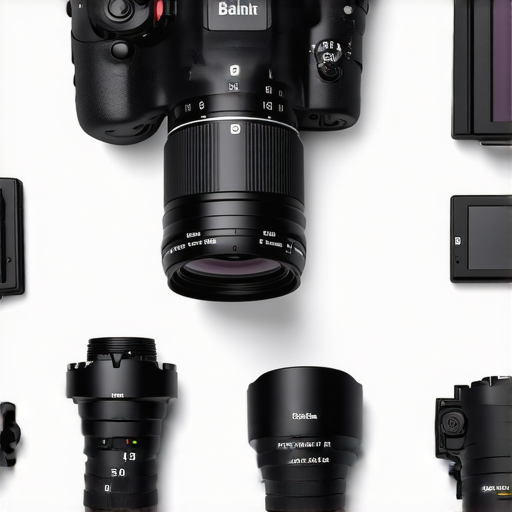
Invest in a high-quality lens, an HDMI cable, and a tripod or mount. A fast, wide-angle lens provides clarity and broad framing, especially for close-up shots. Use an HDMI cable compatible with your camera (preferably HDMI 2.0 or higher for 4K at 60fps) and a sturdy mount to keep your footage steady. For an optimal setup, consider a capture card if your camera lacks direct streaming support, but note that many modern mirrorless cameras now offer direct HDMI output, reducing the need for extra hardware.
Set Up and Connect Your Camera
Place your camera in a well-lit area, ensuring your face is evenly illuminated. Connect the HDMI cable from your camera to your capture device or directly into your computer if supported. Power on the camera and configure the settings for 4K recording and clean HDMI output—disable overlays and display info to get a clean feed. Follow the step-by-step instructions in this guide for detailed setup tips.
Configure Your Streaming Software
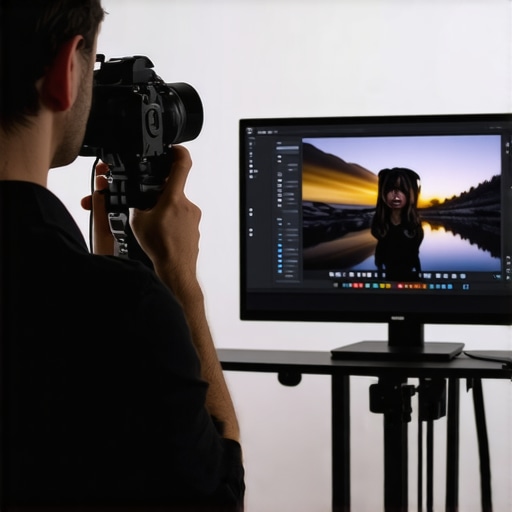
Open your streaming platform’s software (like OBS or Streamlabs). Add a new video source and select your camera or capture device. Adjust the resolution and bitrate to handle 4K streaming—note that higher bitrates require a stable, fast internet connection. Use test streams to identify any lag or overheating issues, referring to this resource for troubleshooting common problems.
Optimize Lighting and Positioning
Ensure your lighting setup complements your new camera’s capabilities. Use soft, diffuse light sources to reduce shadows and bring out the full detail in your 4K footage. Position yourself centrally and at eye level for engaging content. Experiment with framing and background to create a professional look that leverages the high resolution of your camera.
Record and Review Your Streams
Start recording test sessions to analyze footage quality. Look for issues like overexposure, focus shifts, or overheating. Adjust settings as needed, and consider using this guide for overheating solutions. Regularly review your recordings to ensure your setup delivers crisp, vibrant visuals that captivate viewers.
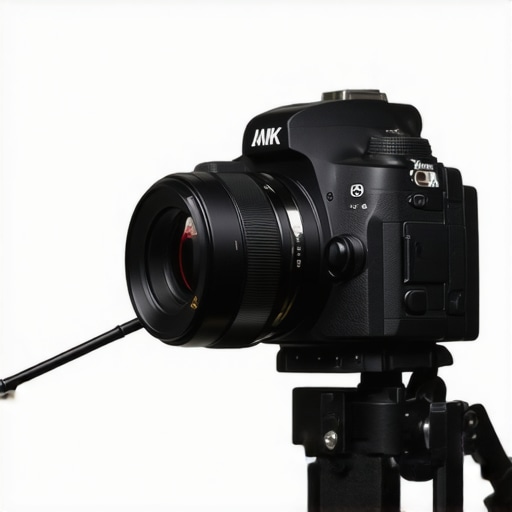 While many believe that upgrading to a 4K mirrorless camera automatically guarantees top-tier content, the reality is more nuanced. A frequent mistake is assuming that higher resolution alone makes your videos professional. In fact, factors like sensor size, lens quality, and color science play critical roles in achieving cinematic results. For example, a camera with a larger sensor, such as those in professional-grade mirrorless models, captures better depth of field and handles low-light conditions more effectively, which many beginners overlook when just focusing on specs. Additionally, there’s a myth that all streaming cameras should be dedicated devices; however, many advanced mirrorless cameras now support direct streaming over HDMI or Wi-Fi, simplifying setups and reducing lag or connection issues—something often underestimated by newcomers. People also tend to think that autofocus is always superior in the latest models, but in practice, settings need careful calibration to avoid focus hunts that ruin the shot. As experts suggest in this comprehensive guide, mastering these nuances is essential; otherwise, your investment might not deliver the expected results. You might also fall into the trap of relying solely on camera features instead of optimizing lighting, audio, and background, which are equally vital for engaging content. Remember, a well-rounded setup enhances your video quality far more than just having the latest hardware. For deeper insights, check out our detailed article on mastering content creation with mirrorless and 4K cameras.Maintaining high-quality content output requires investing in the right tools and establishing robust routines. As a creator, choosing equipment that offers longevity and reliability is critical. For instance, I personally rely on the best mirrorless cameras known for their durability and excellent build quality. Regular firmware updates are essential; they fix bugs and improve features, ensuring your camera stays compatible with the latest streaming platforms. I schedule monthly checks to install updates from the manufacturer’s official site, avoiding malware and compatibility issues. Additionally, maintaining your gear involves cleaning lenses and sensors—using specific tools like a sensor cleaning kit and microfiber cloth prevents scratches and dust buildup, which can degrade footage over time. For example, compressed air often causes moisture issues, so I opt for a dedicated blower, which I regularly use after every recording session to keep my equipment dust-free. When it comes to software, I trust programs like OBS Studio and Adobe Premiere Pro for their stability and support. I routinely back up my project files to cloud services such as Dropbox to prevent data loss during crashes or hardware failures. Prediction-wise, as the industry shifts towards higher resolutions and frame rates, the demand for more resilient and adaptable tools will grow, making hardware with redundancy features or modularity increasingly vital. Need quick advice on keeping your equipment performing flawlessly? Try setting up a monthly maintenance schedule dedicated to cleaning, updating, and backing up—your future self will thank you. For tailored recommendations, reach out via our contact page. Remember, consistent upkeep extends your gear’s lifespan and ensures your content remains sharp and professional. See this [expert insight](https://cameras.creatorsetupguide.com/mastering-content-with-mirrorless-and-4k-cameras-today) on advanced maintenance tips for high-end video equipment.
After experiencing the transformative power of a 4K mirrorless camera, I realized that many creators overlook subtle but crucial aspects of choosing the right gear. One hard lesson was recognizing that high resolution alone doesn’t guarantee cinematic quality—sensor size, lens quality, and color science are equally vital. I once wasted time fixating on specs, only to find that a larger sensor and better glass dramatically improved my footage’s depth and vibrancy, especially in low-light scenarios. Furthermore, I’ve learned that seamless compatibility with streaming software and support for clean HDMI output can make or break a setup, saving me from frustrating delays and technical hiccups. Perhaps most surprisingly, I discovered that calibration and understanding each model’s autofocus nuances prevent focus hunts that ruin professional impressions. These insights underscored the importance of comprehensive research beyond the hype, ultimately elevating my content with less hassle and more confidence. For a deeper dive into mastering these nuances, visit the comprehensive guide at this link.