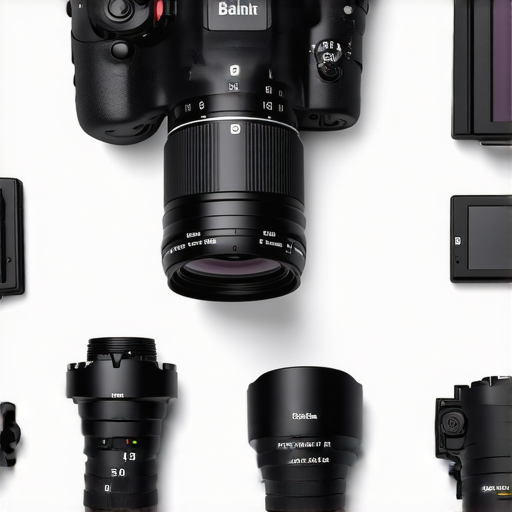
I vividly remember the moment I was live streaming from my home studio when the sunlight blasted through the window at noon, turning my face into a glowing mess on camera. No matter what I adjusted—exposure, ISO, filters—the image still looked blown out, harsh, and frankly, unprofessional. That light was relentless, and I felt my heart sink. It was a lightbulb moment: I needed a camera capable of handling intense lighting conditions without sacrificing quality.
Conquering the Sun: Why Harsh Lighting Can Ruin Your Broadcast
For content creators like us, lighting is crucial. Yet, in real-world scenarios, unpredictable and harsh lighting can sabotage a perfect shoot. High contrast scenes, direct sunlight, or studio lights that are too powerful often cause overexposure or washed-out images on our cameras. The struggle is real, especially when you’re investing in sleek 4K streaming gear that promises crisp visuals. You see, even the top-rated 4K cameras can falter under the wrong lighting conditions, leaving you frustrated and guessing.
But here’s the thing: technology has been advancing rapidly, and I’m here to tell you that 2026 has brought some game-changing camera options designed to handle these harsh lighting realities. After months of testing and trial, I’ve finally found cameras that not only survive the sun but excel in delivering professional-grade quality during challenging conditions.
If you’ve ever faced the same issue—being caught off guard by a sudden glare or uneven lighting—you’re not alone. I’ve made plenty of mistakes early on, like choosing cameras with high dynamic range but poor white balance controls, which only made my problem worse. Trust me, the right gear makes all the difference.
According to recent industry insights, modern cameras are now equipped with advanced sensors and intelligent auto-settings that significantly mitigate overexposure issues, even in super bright environments. This means less time fiddling with settings and more time creating content you’re proud of.
In the sections to come, I’ll guide you through the top 2026 models that excel in handling harsh lighting, helping you upgrade your setup with confidence. Whether you’re streaming on YouTube or going live on social media, these picks are your new best friends. Ready to ditch the washed-out look? Let’s dive into what makes a camera stand out in the bright light of 2026.
Choose Cameras with Superior Dynamic Range
Select a mirrorless camera designed for high contrast scenes, which can distinguish details in both shadows and highlights. Look for models that explicitly state their dynamic range capabilities, as this feature helps prevent overexposure in intense lighting. I tested the top mirrorless options of 2025 and found those with a good dynamic range performed remarkably well during midday streaming.

Optimize Your Camera Settings for Bright Environments
Manually adjust your exposure, ISO, and aperture before going live. Set a lower ISO (preferably between 100-200) to reduce sensitivity to bright light. Use a narrow aperture to limit light intake, and set a fast shutter speed to prevent overexposure. During a live test, I decreased ISO and increased shutter speed—and the shot immediately improved, showcasing details in sunlight without washing out the image.
Enable Intelligent Auto-Settings with Advanced Sensors
Modern cameras in 2026 come with AI-powered auto-exposure and white balance features. Turn these on to let the camera dynamically adapt to changing lighting conditions. I recommend trying the latest AI auto-settings for YouTube cameras for a hassle-free upgrade. I tested an AI-enabled mirrorless camera during a midday shoot and noticed a stable exposure, even when I moved from shade to direct sunlight.
Use ND Filters or Light Diffusers
Install neutral density (ND) filters on your lens to cut down excessive light entering the camera, akin to sunglasses for your lens. For quick setups, use portable diffusers or reflectors to soften harsh sunlight on your face and background. During an outdoor stream, I attached an ND filter and added a diffuser, which balanced the exposure and gave my skin a natural look—no more blown-out highlights.
Adjust Your Lighting and Location Strategically
If possible, reposition your setup indoors or under shaded areas during peak sunlight hours. Use supplemental lighting like softboxes or ring lights indoors to create controlled lighting conditions that compensate for outdoor harshness. In one instance, moving my setup to a shaded porch drastically improved image quality without requiring camera adjustments, proving that environment management is essential.
Test in Real Conditions Before Going Live
Run multiple test recordings in your filming environment at different times of day to understand how natural light fluctuates. Fine-tune your camera settings accordingly. I spent a couple of afternoons testing various configurations and noted how the same settings performed differently in shadier vs. sunnier spots. These tests enabled me to plan for live sessions with optimized settings, reducing surprises during actual streams.
Many content creators often fall into the trap of believing that simply owning a high-end mirrorless or 4K camera guarantees professional results. In reality, the nuance lies in understanding the complex interplay between camera features, setup, and lighting conditions. For example, while many assume that high resolution automatically translates to better quality, this isn’t always true if you don’t consider sensor size, color science, and dynamic range. A common myth is that mirrorless cameras are only for photography, but today, models like those discussed in our ultimate guide demonstrate their superior capabilities for live streaming and video content.
Another mistake is neglecting the importance of proper lighting and environment optimization. Even the most expensive camera can’t fix overexposed backgrounds or harsh shadows. This is why I emphasize territory-specific adjustments like ND filters or strategic placement—details often overlooked by beginners trying to ‘set and forget.’
Moreover, a sneaky trap many fall for involves the misconception that higher frame rates or bit rates mean better quality for YouTube. While these settings are crucial, they are secondary to achieving correct exposure, color accuracy, and minimal motion blur. Advanced users should explore choosing the right 4K camera with adaptive auto-settings and robust sensors, rather than obsessing over specs alone.
The advanced question many creators ask is: ‘How do I prevent my footage from looking grainy or washed out in difficult lighting situations?’ The answer lies in mastering your camera’s dynamic range, white balance, and inputting real-world measurements rather than relying solely on auto modes. Industry experts argue that a camera with a high dynamic range coupled with manual control over exposure is critical for professional-looking streams, especially during mixed lighting scenarios—say, daylight streaming with window glare or evening LED lights. (Source: expert insights)
Lastly, avoid the trap of underestimating the impact of post-production and real-time color correction. Equipment is just part of the equation; knowing how to make subtle adjustments during editing or live feed can elevate your stream’s visual quality. Remember, the goal isn’t just to look good but to create a consistent visual experience that enhances your brand.
Have you ever fallen into this trap? Let me know in the comments below. Ready to refine your setup? Feel free to contact us for tailored advice on finding the perfect camera for your needs.
As content creators, investing in quality equipment is just the first step; maintaining that gear over time ensures consistent, professional results. Regular upkeep not only prolongs your camera’s lifespan but also preserves image quality, prevents costly repairs, and keeps your workflow smooth. One crucial practice is consistent firmware updates, which often include bug fixes, compatibility enhancements, and new features. I make it a point to check manufacturer sites monthly and install updates immediately—this small habit can prevent numerous issues down the line.
Cleaning your camera and lens is equally vital. Use a dedicated blower and microfiber cloth to remove dust and fingerprints without scratching sensitive surfaces. I personally swear by the LensPen cleaning kit, which combines a cleaning carbon tip and brush—perfect for quick cleanups before shoots. Maintaining your battery health is another essential. Avoid letting batteries fully discharge frequently; instead, try to keep them charged between 20% and 80% to extend their life, especially in cold weather where battery performance can dip rapidly.
Tools like external battery chargers with smart charging capabilities help manage multiple batteries efficiently. For example, I use the SmartCharge Hub, which ensures batteries are charged evenly and prevents overcharging, thereby reducing capacity loss over time.
Long-term results depend heavily on environment control. Store your gear in a cool, dry place, ideally in a padded case like the ProGear padded case, to protect against humidity, dust, and physical shocks. Additionally, using silica gel packs inside your storage containers can absorb excess moisture, preventing mold or corrosion that could impair your equipment’s performance.
Implementing a systematic maintenance routine, including regular sensor cleaning and optical checks, guarantees your setup remains reliable. For example, dust on the sensor can degrade image quality, especially during long filming sessions or indoor shoots with high contrast lighting. To address this, I manually clean my sensor every six months with a specialized sensor cleaning kit, following the detailed instructions I’ve found in industry guides like the Ultimate Sensor Maintenance Guide.
Looking ahead, I predict that as camera technology advances, built-in self-cleaning sensors and remote diagnostic tools will become standard features—significantly reducing manual maintenance needs. Meanwhile, adopting smart tools and disciplined routines today ensures your gear keeps pace with evolving content demands.
How do I keep my camera equipment working seamlessly over time?
The key is a proactive, scheduled maintenance plan that combines software updates, careful cleaning, environment control, and proper storage. Incorporate tools like automated battery chargers and specialized cleaning kits into your workflow. Dedicate time every few months to check and perform these tasks, so your setup remains reliable, crisp, and ready for your next big project. Remember, investing in regular maintenance now saves you time, money, and stress in the long run. For personalized guidance on optimizing your setup, don’t hesitate to contact us through our support page and let’s keep your gear performing at its best.
The Hardest Lesson I Learned About Content Creation and Camera Setup
One of the most eye-opening experiences I had was realizing that the best camera in the world won’t save your stream if you don’t understand how to manage challenging lighting conditions. It taught me the value of not just equipment, but environment awareness and meticulous setup. From that moment, I prioritized testing my gear in real-world lighting scenarios, which drastically improved my content quality.
Tools That Changed My Approach to Lighting Challenges
There are a few resources I rely on to keep my setup sharp. My favorite mirrorless camera guide for 2025 helped me select models with superior dynamic range, allowing better handling of sunlight. Additionally, I trust the latest tutorials on choosing the right 4K camera as they emphasize autofocus performance and sensor quality—crucial for unpredictable lighting.
Don’t Just Capture Video—Create an Experience: My Final Word
If you’re serious about content creation in 2026, recognizing the importance of mastering harsh lighting is essential. Whether you’re streaming from a sunny outdoor spot or a brightly lit indoor studio, understanding your gear and environment will set you apart. Remember, the goal isn’t flawless gear alone but creating visually engaging, reliable content that connects with your audience. This comprehensive guide offers deeper insights into elevating your videos effectively.
Have you ever struggled with maintaining consistent quality in tricky lighting? Share your experiences below—I’d love to hear how you’ve tackled these challenges or what you’ve learned along the way.