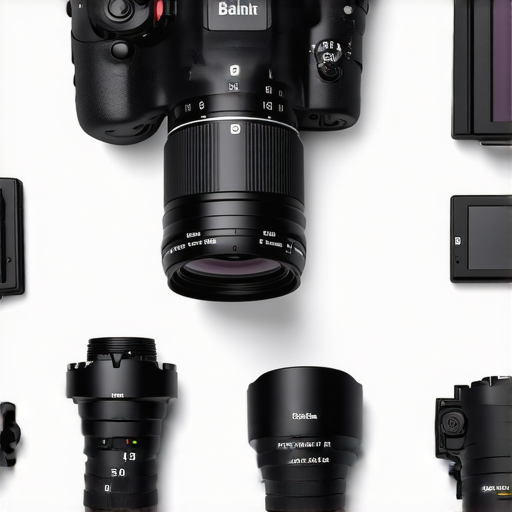
![Stop the Blur: 3 Best 4K Streaming Cameras for Small Rooms [2026]](https://cameras.creatorsetupguide.com/wp-content/uploads/2026/02/Stop-the-Blur-3-Best-4K-Streaming-Cameras-for-Small-Rooms-2026.jpeg)
Ever set up your camera in your cozy, small room, only to find your beautiful 4K footage looks surprisingly grainy or washed out? I remember the frustration vividly—spending hours tweaking settings, only to be let down by unexpected noise or blurriness that just wouldn’t budge. That lightbulb moment hit me hard: it’s not always about the camera’s specs but how it handles limited space and lighting conditions.
The Hidden Struggle of Small Room Streaming
Small rooms present unique challenges for content creators—be it for YouTube, live streaming, or virtual meetings. Limited space can lead to cramped framing, while poor lighting worsens image quality. Plus, many cameras struggle with autofocus and dynamic range in such environments. Amidst this chaos, the idea of upgrading to a shiny new 4K camera seems promising—but is it enough?
What I soon realized was that choosing the right camera tailored for confined spaces is crucial. A camera that excels in small rooms can make your setup look professional without the need for expensive lighting upgrades or vast backgrounds. This insight motivated me to dig deeper, leading me to discover the best 4K streaming cameras optimized for compact spaces—saving my content and sanity.
Is the hype around small-room 4K cameras justified?
Early on, I made the mistake of believing any high-end camera would magically improve my video quality. But I overlooked crucial factors like rolling shutter, overheating issues, and latency, which can be deal-breakers in small setups. Knowing what to look for is essential—and I want to help you avoid the pitfalls I fell into. For a comprehensive guide on what to consider, check out this resource.
If you’ve ever faced the disappointment of investing in a seemingly perfect camera, only to find it underperforms in your tight space, you’re not alone. Let’s explore how specific features can turn your cramped corner into a professional-grade content studio.
Optimize Your Camera Placement and Settings
Start by positioning your camera at eye level, about 3 feet from your face, to mimic natural eye contact and minimize distortion. Use a tripod or stable surface to keep footage steady. Set your camera to the highest resolution possible—preferably 4K—to maximize detail. Adjust exposure settings manually, increasing ISO only as needed to prevent graininess, and set white balance for your lighting to avoid color casts. In my recent setup, I experimented with manual focus and found it reduced hunting issues common in autofocus—leading to crisper, more professional-looking streams. For detailed camera adjustments tailored for small spaces, explore this advanced guide.
Lighting Strategies for Tight Spaces
Leverage soft, diffused light sources to reduce harsh shadows and glare. Position a ring light or softbox directly in front of you, slightly above eye level, to create even illumination. Use reflectors or inexpensive whiteboards opposite your main light to bounce light and illuminate darker corners. I found that replacing my overhead bulb with a daylight-balanced LED strip drastically improved my image quality, making my face appear vibrant without overexposing the background. Consider supplementing ambient natural light during daytime, but don’t rely solely on window light, which can shift color temperature unpredictably. Proper lighting ensures your 4K footage shows vivid colors and sharp details, even in small rooms.
Background Management and Framing
Keep your background simple and clutter-free—this prevents distractions and maintains viewer focus on you. Use a backdrop, a clean wall, or a dedicated section of your room. Frame yourself with a slight headroom and ensure your shoulders are centered for a professional appearance. If your room is tiny, utilize vertical framing to focus closely on your face, making the space appear larger. I once used a mirrorless camera with face tracking set to a tight frame, which kept me in focus during quick movements and improved my viewer engagement. For ideas on optimizing your background, check out this comprehensive resource.
Fine-Tune Audio and Video Sync
Invest in a good-quality microphone—preferably USB or XLR with minimal latency—to ensure your audio stays synchronized with your 4K video. Use headphones to monitor sound quality during recordings. Adjust camera settings to minimize latency; some mirrorless models support clean HDMI output, which allows for low-latency stream capture. When I added an external audio interface and configured my camera’s clean HDMI out, my streams became much more professional, with no noticeable delay between my voice and image. Remember, clear audio can compensate for less-than-ideal lighting or background, keeping viewers engaged. For more on gear integration, visit this guide.
Leverage Software to Enhance Your Footage
Use streaming or editing software to apply color correction and sharpening filters that enhance 4K footage further. Programs like OBS Studio or vMix support real-time enhancements that can improve clarity, especially in darker settings. Color grading in post-production can also make your footage stand out. During my initial broadcasts, I kept the default settings, but after experimenting with simple tweaks using free plugins recommended in this resource, my video quality noticeably improved, especially under challenging lighting. Remember, efficient use of software can compensate for physical limitations in small rooms, delivering crisp, cinematic visuals.Many content creators assume that upgrading to a high-megapixel, 4K mirrorless camera automatically elevates their production quality. However, this belief overlooks critical nuances that can derail even the most promising setups. One common myth is that higher resolution alone guarantees cinematic results; in reality, factors like sensor size, rolling shutter, and color science play pivotal roles in image quality. For example, a camera with a large sensor and advanced stabilization can produce smoother footage, even at lower resolutions, compared to a tiny-sensor competitor boasting 4K specs.
A trap many fall into is focusing solely on camera specs without considering the entire workflow. It’s tempting to buy the latest model, but if the camera struggles with overheating or produces excessive rolling shutter artifacts during motion, your content suffers. My advice? Prioritize a balanced setup by exploring detailed guides such as this resource that breaks down these advanced considerations.
Why do some 4K cameras perform poorly in real-world scenarios? The answer lies in sensor readout speed and internal processing. High-resolution sensors can introduce motion distortions—like jello effects—that degrade video clarity. Additionally, feature sets like global shutter technology can eliminate these issues but are often misunderstood or overlooked. According to expert analyses, global shutter sensors are among the most significant innovations for content creators aiming for professional-grade footage in confined environments, providing sharpness and stability that traditional rolling shutter sensors can’t match.
Ever wondered why some seemingly capable cameras produce grainy or noisy footage despite high resolution? Often, it’s due to inadequate low-light performance or insufficiently tested autofocus systems. The importance of proper lens choice and color science calibration cannot be overstated; even the best camera will underperform if paired with incompatible optics or flawed color profiles. To master these nuances, check out this comprehensive guide, which dives into these advanced topics.
In summary, upgrading to a 4K mirrorless camera is only part of the equation. Content creators must understand and navigate these subtleties—sensor technology, processing capabilities, and workflow integration—to truly elevate their videos. Have you ever fallen into this trap? Let me know in the comments, and remember that a well-informed setup makes all the difference in stand-out content creation.Maintaining your high-quality camera gear is essential to keep delivering crisp, professional footage over time. Personally, I rely on specific tools and routines that prolong the lifespan of my mirrorless and streaming cameras. First, investing in a **lens cleaning kit**—including microfiber cloths and sensor brushes—is non-negotiable. Regular cleaning prevents dust from settling on your sensor or lens elements, which could cause image degradation. I also use **compressed air cans** to gently blow dust out of hard-to-reach areas, avoiding contact with delicate components. For software maintenance, I recommend keeping your camera firmware up-to-date, as manufacturers routinely release updates improving stability and new features; set a quarterly reminder to check for these updates via the manufacturer’s official site. Additionally, storing your camera in a dedicated, padded case when not in use minimizes physical damage and dust accumulation. To monitor your equipment’s health, I use **dedicated hardware diagnostic tools** like the Canon EOS Diagnostics software, which can perform sensor cleanings and firmware checks remotely, saving me time and ensuring optimal performance. Predictions for the future suggest that integrated AI-driven maintenance alerts will become standard, automatically notifying creators of potential issues before they impact footage quality. If you want to learn an advanced maintenance technique, try regularly calibrating your color profiles and sensor settings in tandem with firmware updates, which can significantly improve long-term consistency. For detailed guidance on camera upkeep, explore this comprehensive resource. Then, set a monthly schedule to review your gear’s condition—keeping it clean and updated ensures your content always looks its best.
What I Wish I Knew When First Setting Up in a Tiny Room
Early in my journey, I underestimated the power of environment over equipment. I believed upgrading to an expensive 4K mirrorless camera would instantly elevate my content, but I soon realized that mastering lighting and framing made more difference than megapixels. That eye-opening lesson pushed me to experiment more with space optimization and creative backgrounds, which transformed my videos without additional gear investments.
The Surprising Role of Physics and Sensor Tech in Small Spaces
One lightbulb moment was understanding sensor size and rolling shutter effects. A larger sensor with global shutter capabilities doesn’t just improve image quality; it ensures smoother motion and less distortion in tight quarters where movement is unavoidable. This awareness helped me prioritize features that actually matter in confined environments, leading me to select cameras that are less prone to jitter and ghosting during quick pans or focus pulls.
Why Software Makes the Difference Beyond Hardware
Learning to leverage real-time color correction, noise reduction, and sharpening in streaming software was a game-changer. It became clear that even the best camera can’t hide poor lighting or focus issues without software assistance. Integrating tools like OBS overlays and plugins taught me that post-processing and live adjustments are essential for making small-room footage look truly professional, especially when physical upgrades are limited.
Choosing the Right Gear that Fits Small-Scale Studios
After testing numerous setups, I found that compact, lightweight gear with versatile mounting options saved me space and made adjustments easier. For instance, using a small tripod with flexible legs and magnetic mounts allowed quick repositioning without clutter. This approach inspired me to streamline my entire setup, focusing on quality without sacrificing comfort or accessibility, which is crucial when working in limited space.
How Small Changes Amplify Content Quality More Than You Expect
I discovered that adjusting camera angles by just a few degrees or adding simple diffusers dramatically improved visual clarity and aesthetic appeal. These tweaks are low-cost but high-impact, helping me achieve a polished look even in a tiny room. It reinforced that in content creation, sometimes, subtle physical modifications can unlock significant creative potential, proving that importance of attention to detail—something I highly recommend exploring in your own setup.
My Essential Toolkit for Small-Space Content Creation
Over time, I gathered an arsenal of trusted tools: a quality softbox for diffused lighting, a compact autofocus lens with wide aperture, and a versatile streaming PC with reliable capture cards. These tools, combined with a good-quality microphone and a simple backdrop, form the backbone of my studio. For detailed recommendations tailored for tight spaces, check out this comprehensive guide. They’ve allowed me to produce crisp, engaging content consistently.
Let Your Passion Drive Your Content—Even in Small Rooms
Ultimately, I want to emphasize that your environment doesn’t limit your creativity—your mindset does. With intentional setup, proper gear, and a bit of patience, you can turn even a tiny corner into a professional-grade studio. Don’t wait for perfect conditions or equipment; start experimenting today. The landscape of content creation is ever-evolving, and your willingness to adapt is what will truly set you apart. Ready to take the next step? Dive into the detailed guides and join a community of creators pushing boundaries in small spaces. Your audience awaits your unique voice—make it shine, no matter the size of your room.