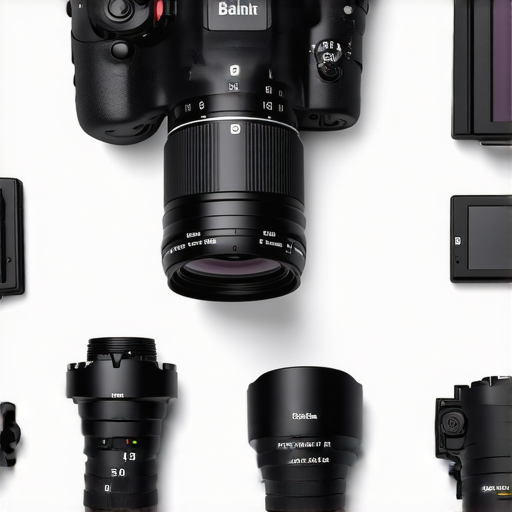
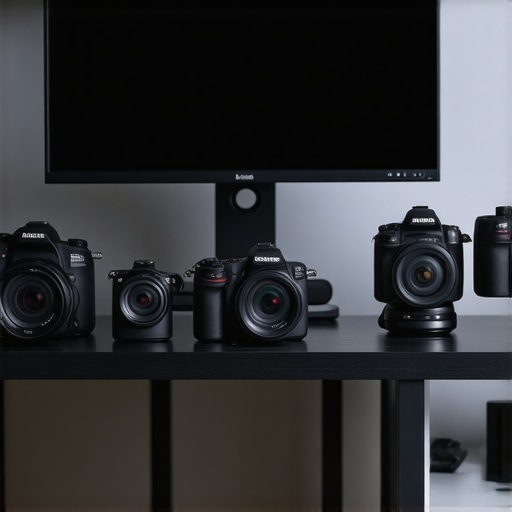
I’ll never forget the moment I spent hours trying to get the perfect shot for my live stream—only to realize my camera’s shaky focus and dull image quality were sabotaging my content. It was like trying to paint a masterful portrait with crayons—frustrating and absolutely not professional. That lightbulb moment made me realize I needed better equipment, specifically a top-tier 4K streaming camera, to truly elevate my content game.
Why Upgrading Your Streaming Camera Matters More Than Ever
As content creators, we all hit that point where our footage no longer reflects our passion or professionalism. In 2025, the landscape has shifted dramatically. Viewers expect crisp, vibrant visuals, and algorithms favor creators who deliver high-quality streams consistently. According to a recent study by Pew Research, 74% of viewers are more likely to engage with content that looks polished and professional—so your camera isn’t just a tool; it’s your frontline ambassador.
But here’s the thing: the intense variety of options can be overwhelming. Do you go with a mirrorless camera? A dedicated streaming cam? Or a hybrid setup? Early on, I made the mistake of buying a high-end mirrorless without considering its streaming capabilities, which led to a frustratingly complex setup and inconsistent quality. That experience taught me the importance of choosing the right gear for your specific needs, which I share in detail in this guide.
If you’re like me, you’ve faced that gnawing doubt—”Is investing in the best streaming camera really worth it?” Well, let’s dive into what makes a camera truly shine for content creation in 2025, and how you can avoid costly mistakes along the way.
Total Control Over Your Camera Settings
Start by familiarizing yourself with your camera’s manual mode—think of it as the driver’s seat of your vehicle; it gives you full authority over the ride. Adjust aperture to control depth of field, shutter speed for motion clarity, and ISO to manage brightness. When I first switched to a mirrorless camera for live streaming, I took hours in the settings menu, fine-tuning exposure and focus. The result? Sharper images and more professional-looking streams that captivated viewers.
Optimize Your Lighting Environment
Lighting can make or break your video quality; consider it the paintbrush on your canvas. Use softboxes or ring lights to evenly illuminate your face and background. Experiment with color temperature—warm tones create a cozy vibe, while cool tones add a professional touch. During a recent setup, I moved my light closer and adjusted its color balance, which eliminated shadows and enhanced my on-camera presence. Proper lighting ensures your camera captures vibrant, accurate colors and reduces noise, especially in low-light environments.
Choose the Right Lenses for Content
Think of lenses as the eyes of your camera; they define how much the viewer sees and how feelings are conveyed. A wide-angle lens (around 16-35mm) is great for vlogs and reaction videos, providing a broad perspective. A prime lens with a wide aperture (like f/1.8) delivers stunning background blur, making your face pop. I swapped my kit lens for a prime when streaming tutorials, and the crisp focus and smooth background separation noticeably improved my professional appearance.
Stabilize Your Shots Effectively
Imagine trying to read a book through a shaky window—annoying and distracting. Use a tripod or a gimbal to keep your camera steady during filming, especially if you’re moving around. When I streamed from my living room, I mounted my mirrorless camera on a sturdy tripod; the steady shots kept viewers engaged and helped maintain a polished look. This eliminates jarring vibrations and ensures your content appears intentional and high-quality.
Master Focus Settings to Avoid Blur
Autofocus can be your best friend or your worst enemy—think of it as a pet dog that sometimes distracts itself. Use continuous autofocus with face tracking enabled to keep your face sharp during movement. When I demonstrated makeup tutorials, I manually set focus points to prevent sudden focus hunting, which kept viewers glued to my expressions. Proper focus setup is essential to prevent distractions and keep your audience engaged.
Test and Calibrate Regularly
Like tuning a musical instrument, your camera needs regular calibration to perform at its best. Conduct test recordings before streaming to check color balance, exposure, and focus. During a recent overhaul, I recorded short clips to evaluate settings, noticing slight color shifts that I corrected before going live. This step ensures your visuals remain consistent across sessions, preventing surprises during important broadcasts.
Bridge Your Camera to Your Streaming Setup
Connecting your camera to your computer is like linking your car’s engine to the wheels—it’s the core of your streaming power. Use a clean HDMI output and a capture card to feed high-quality video into streaming software like OBS. I recommend using a plug-and-play capture device for simplicity; during my first setup, I struggled with lag until I upgraded my hardware. A reliable connection minimizes latency and delivers crisp footage to your viewers, elevating your streaming game.
Implementing these core techniques transforms your camera from a basic device into a professional tool, instantly elevating your content quality. For tailored guidance, check out this review of top streaming cameras or get in touch via the contact page.
Many aspiring YouTubers and streamers fall prey to popular myths surrounding camera gear, but understanding the nuances can significantly elevate your production quality. One pervasive misconception is that the latest 4K or mirrorless camera automatically guarantees professional results. While these tools are essential, simply owning a high-end camera doesn’t make your content engaging if you overlook proper settings like aperture, shutter speed, and lighting. As I emphasize in mastering your camera settings, technical proficiency is just as crucial as equipment.
Another common trap is the belief that autofocus is infallible for dynamic content. In reality, autofocus systems can hunt or shift focus unexpectedly, especially in variable lighting conditions or with complex backgrounds. Using manual focus or customizing autofocus settings—such as face priority—is essential to maintain sharpness. An overlooked nuance is understanding how your camera’s focus zones operate; mastering this can prevent ‘oops’ moments during critical live streams. Be cautious; many content creators don’t invest enough time in testing their focus during setup, leading to blurry footage that distracts viewers.
Now, consider the myth that higher frame rates or resolutions are always better. This isn’t true, especially if your hardware isn’t optimized; streaming at 4K may cause lag or dropped frames if your PC isn’t equipped to handle the data load. It’s vital to balance resolution with your system’s capabilities, and sometimes, streaming in 1080p at high bitrate yields a smoother experience—check out top streaming cameras that provide this balance.
For the advanced content creator, a crucial question arises: How do you prevent your equipment from becoming a hindrance rather than an asset? The secret is understanding your gear’s limitations and meticulously calibrating your settings. A frequent mistake is neglecting periodic calibration, which can lead to color shifts or exposure issues over time. Regularly conducting test recordings and fine-tuning your camera ensures consistency—vital for building a professional brand.
A critical point worth mentioning is the importance of proper lighting. Even the best camera under harsh or uneven lighting produces unprofessional results. Investing in adjustable lighting setups, like softboxes or ring lights, can dramatically improve footage quality. Remember, your camera is only as good as the light it captures. For tailored advice, consider reading this guide on top mirrorless options.
Finally, many overlook the significance of connectivity and setup. Connecting high-quality cameras to your streaming software via capture cards demands attention to detail—lag, resolution mismatch, or unstable connections can sabotage your streams. Make sure to test your setup thoroughly before going live. For comprehensive gear insights, see this resource on streaming gear essentials.
Have you ever fallen into this trap? Let me know in the comments. Remember, excelling at content creation isn’t just about owning the latest tech but understanding its nuances and potential pitfalls.
Maintaining Your Camera Equipment for Consistent Performance
Investing in high-quality gear is just the beginning; ensuring it continues to perform optimally over time requires deliberate maintenance and smart tool choices. As a content creator, I’ve found that regular upkeep and using the right accessories can significantly extend your equipment’s lifespan and keep your streams looking professional.
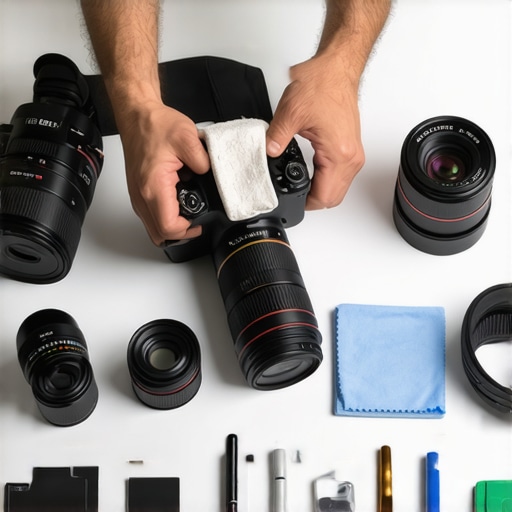
One non-negotiable tool I rely on is a portable lens cleaner and microfiber cloth. Cameras and lenses attract dust, fingerprints, and smudges, which can degrade image quality. Personally, I use a sensor cleaning kit from a trusted brand recommended by industry experts—it’s kept my optics spotless without risking damage. Regular cleaning, at least once a month, not only prolongs your gear’s life but also prevents pesky scratches and focus issues.
Next, a reliable surge protector with built-in noise filtering is crucial, especially considering power fluctuations that can harm sensitive electronics. For my setup, I opt for a power strip with EMI/RFI filtering, which smooths out electrical noise, thereby protecting my camera and streaming PC from potential damage and reducing image flickering caused by power inconsistencies. Over the upcoming years, I believe integrating smart power management tools will become even more vital as equipment becomes more advanced.
How do I maintain my camera setup over time?
Developing a routine of regular calibration and software updates is essential. I make it a habit to update my camera’s firmware every quarter—these updates often include stability improvements and new features that enhance long-term functionality. Additionally, maintaining the firmware ensures compatibility with the latest streaming software or plugins, which are ever-evolving in 2025.
To keep your color accuracy and exposure settings consistent, I recommend creating custom profiles within your camera menu and periodically revisiting them. This practice prevents drifting calibration and ensures your visuals stay sharp and true to tone across different sessions. Also, investing in a solid, adjustable tripod or camera rig can prevent wear and tear caused by accidental knocks or væulting, prolonging parts’ longevity and ensuring stability during your livestreams.
As the technology advances, I’m excited to see smarter tools emerging—like AI-driven maintenance alerts or self-cleaning camera sensors. In the meantime, I encourage you to try my top tip: use a sensor cleaning kit periodically and keep a neat, organized setup to avoid unnecessary wear. Proper care and the right tools will make sure your investment pays off for years to come—helping you maintain professional quality without unexpected breakdowns. For tailored advice on tool selection, consider reaching out through this contact page.
Nuggets I Wish I Had Discovered Sooner
One of the biggest lessons I learned was the importance of investing time in understanding my camera’s manual controls early on. Initially, I relied heavily on auto settings, but I soon realized that mastering aperture, shutter speed, and ISO dramatically improved my image quality and streamlining my setup process. Another lightbulb moment was discovering that consistent lighting environments can save hours of post-production editing, making each stream look polished without extra effort. Finally, I wish I had known sooner how vital regular calibration and maintenance of my equipment are—small routines like sensor cleaning and firmware updates keep my gear performing at its best and prevent unexpected hiccups during crucial live sessions.
The Tools That Changed My Content Game
For anyone serious about elevating their YouTube or streaming content, I recommend checking out a few essential tools. First, a high-quality capture card like this recommended device can make a world of difference in achieving crisp, lag-free footage. Second, my go-to for lighting has been a flexible ring light with adjustable color temperatures—it’s portable, easy to control, and affordable. Third, a trusted sensor cleaning kit, such as those from reputable brands, has been invaluable for maintaining image clarity. These tools collectively empower me to produce professional-quality streams consistently.
Your Next Step in Creatorship
Remember, the journey of mastering your camera for YouTube or live streaming is ongoing, but each step you take boosts your confidence and content quality. Embrace the learning curves, experiment with new setups, and don’t shy away from investing in gear that truly matches your vision. The key is consistency and continuous improvement—your viewers will notice and appreciate the effort. So, why not start today? Dive into your camera’s manual, take some test shots, and see the difference it makes. The future of your content creation adventure starts with that first brave step. Want to share your progress or ask for personalized tips? I’d love to hear about your experiences—drop a comment below or reach out through the contact page.