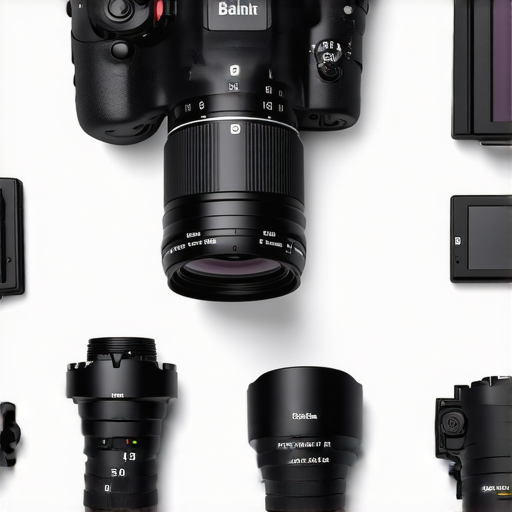
I remember the moment clearly. I was sitting in front of my old camera, frustrated as my livestream flickered and my footage looked amateurish. It hit me—my equipment was holding me back from creating the content I truly wanted to share. That lightbulb moment led me down a rabbit hole of research, testing, and lots ofTrying Different gear. If you’ve ever felt that way—stuck with a subpar camera that doesn’t capture your passion or your audience’s attention—you’re not alone. The truth is, choosing the right camera for YouTube and content creation in 2025 can feel overwhelming, especially with so many options—mirrorless, 4K, streaming-specific cameras—all promising to change your game.
The Camera Dilemma: How Do You Pick What’s Right for You?
Is More MegaPixels Always Better? Or Just a Big Fat Trick?
Early on, I made a common mistake—assuming that cramming as many megapixels as possible into my camera would automatically improve my videos. Spoiler alert—it doesn’t. Resolution is crucial, but so are sensor size, autofocus, and low-light performance. Invested poorly, and you might end up with gorgeous-looking footage that struggles in different environments or is a nightmare to upload and edit. Want to avoid wasting money and time? Check out this comprehensive guide on the best 4K cameras for YouTube in 2025. I wish I had known earlier how much sensor quality influences your final video—it’s like the lens to your mind’s eye. My advice? Prioritize camera systems that excel in both video quality and ease of use, especially for streaming or quick uploads. But how do you make sure you pick a camera that actually meets your needs and doesn’t just look impressive? That’s exactly what we’ll dig into next.
Identify Your Content Goals and Setup Needs
Start by defining what type of videos you want to create—vlogs, tutorials, live streams, or Shorts. If you’re aiming for fast-paced content with quick edits, a compact mirrorless camera like the top mirrorless options might be ideal. For live streaming, prioritize a reliable streaming-specific camera that offers clean HDMI output and low latency.
Many creators believe that selecting a high-megapixel sensor or the latest 4K resolution automatically guarantees professional-quality videos, but the truth is far more nuanced. **One common myth** is that bigger sensors always outperform smaller ones, like those in compact cameras or smartphones. While larger sensors do offer better low-light performance and depth of field, they also demand better lenses and stabilization equipment, which can complicate your setup. For example, some professional filmmakers prefer high-end micro four-thirds systems for their balance of size and quality, challenging the misconception that only full-frame cameras are viable for YouTube content.
**Beware the quality trap**—many assume that new streaming-specific cameras with 4K output automatically improve their live broadcasts. However, without considering factors like color science, autofocus reliability, and input lag, you might end up with footage that looks good but feels sluggish or inconsistent. Expert reviews highlight how important it is to balance resolution with real-world usability.
Advanced Question: Is It Better to Prioritize Camera Ergonomics or Technical Specs for Long-Term Content Creation?
This is where many seasoned creators excel—they understand that ergonomic design affects content quality just as much as technical specifications. A lightweight mirrorless camera may be tempting for its sleek profile, but if the grip is uncomfortable or controls are poorly laid out, your workflow can suffer. Conversely, a rugged streaming camera with extensive ports and customizable options might initially seem preferable, but if it’s bulky or prone to overheating, your sessions could be cut short. Mastering these nuances involves evaluating how your gear integrates into your lifestyle, recording environment, and editing process.
**The Oops Factor**—a frequent mistake is neglecting future-proofing your setup. To avoid wasting money, consider not only current needs but also upcoming content types or platform changes, such as shifting focus from standard videos to Shorts or live streams. External factors, like internet bandwidth and editing capabilities, often overshadow raw hardware specs in their impact on your final output. Want more tips? Check out the comprehensive ultimate guide to choosing the perfect camera for your channel.Maintaining your camera equipment is crucial to ensuring it continues to perform at its best over time. Regularly cleaning your lens and sensor with a high-quality microfiber cloth and air blower prevents dust and smudges from degrading image quality. I personally swear by the Giottos Rocket Air Blower—it’s gentle yet effective at removing debris without scratching delicate surfaces. For lens cleaning, I use alcohol-based wipes specifically designed for optics, which offer a streak-free finish and disinfect the lens surface, especially important in today’s health-conscious environment. Software updates from manufacturers are another essential aspect—these often include bug fixes, performance improvements, and new features that can extend your camera’s lifespan and functionality. I make a habit of regularly checking for firmware updates on my mirrorless camera and streaming gear, ensuring compatibility with new platforms and features. Predicting future trends, I believe that as streaming and 4K content become more prevalent, manufacturers will focus even more on build durability and maintenance-friendly designs, like modular components that are easy to replace or upgrade.
How do I keep my gear reliable over time?
Investing in quality accessories such as weather-sealed cases and robust tripods can prevent damage from environmental factors. Also, developing a routine check-up schedule—once every few months—to inspect cables, ports, and mounts helps catch issues early before they escalate. When you take care of your equipment, you reduce downtime and ensure your content remains consistently professional. If you’re serious about long-term success, consider integrating preventative maintenance into your workflow, like setting reminders for firmware updates and cleaning sessions. For detailed maintenance techniques tailored to your equipment, check out our ultimate guide to mirrorless cameras. Lastly, don’t forget that investing in high-quality tools, such as a professional lens cleaning kit, can make all the difference. Try implementing a monthly maintenance routine—your gear will thank you with reliable performance and longer lifespan.
What I Learned the Hard Way About Camera Choices for YouTube
Over the years, I realized that obsessing over the latest megapixel counts or flashy features often masked a simple truth—your camera’s ergonomics and reliability are what truly make a difference in your content quality. I once swapped a high-end mirrorless for a well-designed streaming camera because I needed dependable live feeds. That decision transformed my workflow and boosted my confidence. The biggest lightbulb moment? Investing in gear that seamlessly fits into my style and long-term goals pays off more than chasing every new release. Trust me, learning to tune out the noise and focus on what complements your unique content style can save you both time and money, making every shoot more authentic and enjoyable.
My Go-To Arsenal for Content Creation Success
When it comes to choosing tools that have truly elevated my YouTube game, I rely heavily on the comprehensive guide to mirrorless cameras—it’s my cornerstone for trusted insights. I also find value in reviews from expert sources that help me compare specs and real-world performance. For streaming-specific setups, the ultimate guide to streaming gear offers practical advice that keeps my broadcasts smooth and professional. These resources keep me focused on what truly matters—creating content that resonates and engages, without getting lost in technical worries.
Seize Your Camera Moment and Let Your Passion Shine
The future belongs to creators who not only choose their gear wisely but also embrace it with confidence. Remember, your camera is just a tool—your vision and authenticity are what truly captivate your audience. So, take that leap, experiment, and let your passion drive your content. The journey of mastering your camera for YouTube in 2025 is yours to shape, and every step forward is a victory. Now’s the time to push boundaries, tell your story, and inspire others to do the same. Your best content awaits—start creating today!