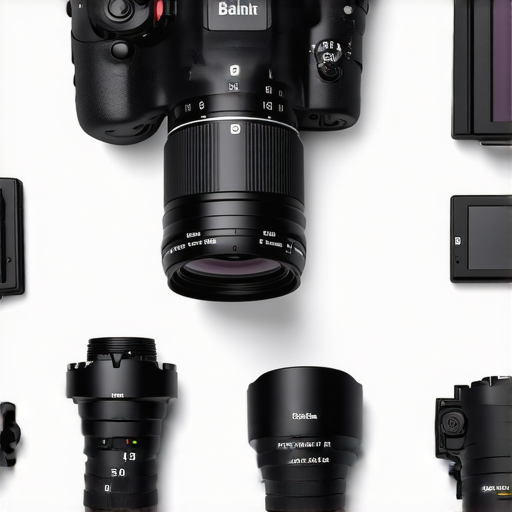
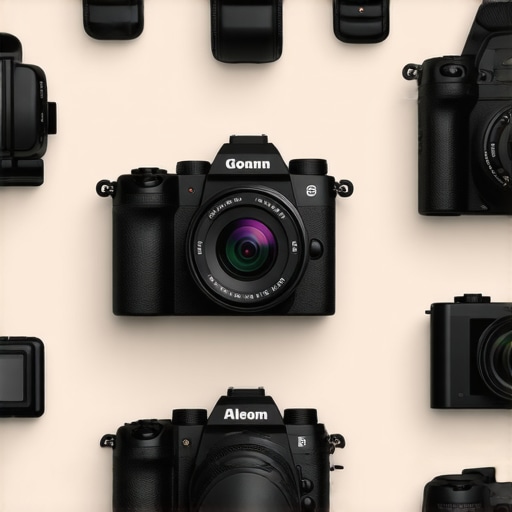
My Journey into the World of Mirrorless Cameras for Content Creation
As someone who’s been passionately creating content on platforms like YouTube and TikTok, I remember the first time I upgraded from a basic webcam to a mirrorless camera. The difference was night and day — sharper images, better autofocus, and a more professional look. In 2025, the landscape of mirrorless cameras has evolved even further, making it an exciting time for streamers and Shorts creators like myself.
Why I Switched to Mirrorless Cameras for Streaming and Shorts
During my early days, I relied heavily on my smartphone and entry-level webcams, but I quickly realized their limitations — especially in low light or fast-paced scenes. After researching and testing several models, I found that mirrorless cameras offered a perfect balance of quality, portability, and affordability. Their compact design and advanced features made them ideal for my streaming setup, and I’ve been a fan ever since. I also read an insightful article on Mastering Content with Mirrorless and 4K Cameras Today, which confirmed my experience.
My Top Picks for 2025: The Best Mirrorless Cameras for Creators
What Should I Look for in a Mirrorless Camera for Content Creation?
Before diving into my favorites, I want to share some key features I consider essential: 4K video recording, excellent autofocus, compact size, good battery life, and compatibility with streaming software. These factors ensure a smooth, high-quality streaming experience and vibrant Shorts content.
My Personal Favorites — The 2025 Lineup
1. Sony Alpha a7 IV
This camera has been a game-changer for me. Its incredible autofocus, superb 4K quality, and user-friendly interface make it perfect for live streaming and quick Shorts shoots. Plus, its extensive lens options give me creative flexibility.
2. Canon EOS R6 Mark II
Canon’s R6 Mark II offers exceptional image stabilization and low-light performance, which is invaluable for indoor streams or evening shoots. I appreciate its reliable autofocus and the natural color science Canon is known for.
3. Panasonic Lumix GH5 II
For those who prioritize video features, the GH5 II is fantastic. Its robust build and professional-grade video tools make it a favorite for long streaming sessions and cinematic Shorts.
How Do These Cameras Fit Into a Streaming Setup?
Integrating these mirrorless cameras into my setup was surprisingly straightforward. Using HDMI capture cards and compatible streaming software, I turned my camera into a high-quality webcam. If you want to explore this process, I recommend visiting Stream Camera Spotlight.
Is it Worth Investing in a High-End Mirrorless Camera in 2025?
Honestly, I believe it depends on your content goals. For professional-quality streams and Shorts, investing in a top-tier mirrorless camera can significantly boost your production value. However, even mid-range models offer excellent results for most creators. Check out Top 5 Mirrorless Cameras for Content Creators in 2025 for more options.
If you’re serious about elevating your content, I’d love to hear about your experiences or questions. Feel free to share your thoughts or ask for advice in the comments below!
Unlocking Advanced Features: What Sets Top-tier Mirrorless Cameras Apart in 2025?
As technology advances, the capabilities of mirrorless cameras continue to evolve, offering content creators tools that were once considered premium. Features like in-body image stabilization (IBIS), high bit-depth recording, and improved low-light performance play a pivotal role in elevating your content quality. For instance, the latest models now support 10-bit 4:2:2 color sampling, which allows for richer color grading and post-production flexibility, critical for professional-looking videos. Moreover, enhanced autofocus algorithms, utilizing AI and machine learning, deliver more accurate face and eye tracking even in complex scenes. This means smoother, more reliable focus transitions during live streams or fast-paced Shorts.
How Do These Technological Enhancements Translate to Practical Content Creation?
In real-world scenarios, these innovations translate into sharper images with minimal motion blur, even in challenging lighting conditions, and more vibrant color reproduction. Content creators can now shoot in environments with less artificial lighting, reducing setup complexity and cost. Additionally, the integration of better low-light performance ensures that indoor or evening shoots maintain clarity and detail, vital for maintaining viewer engagement. These advancements also facilitate more creative flexibility—allowing for cinematic effects, dynamic lighting, and seamless focus pulls, which can significantly boost production value.
Could the Future of Mirrorless Cameras Influence Your Content Strategy?
Absolutely. As mirrorless cameras incorporate features like real-time HDR, high-resolution sensors, and improved video codecs, creators can produce content that stands out in saturated platforms like YouTube Shorts or TikTok. For example, shooting in high dynamic range (HDR) enables a more realistic visual experience, capturing details in both shadows and highlights, making your content more captivating. Furthermore, with more compact designs and longer battery life, these cameras are increasingly suited for on-the-go filming, enabling spontaneous creative moments. Staying informed about these developments is essential; for instance, regularly visiting resources like The Ultimate Guide to Cameras for YouTube Content Creation can help you make strategic upgrades.
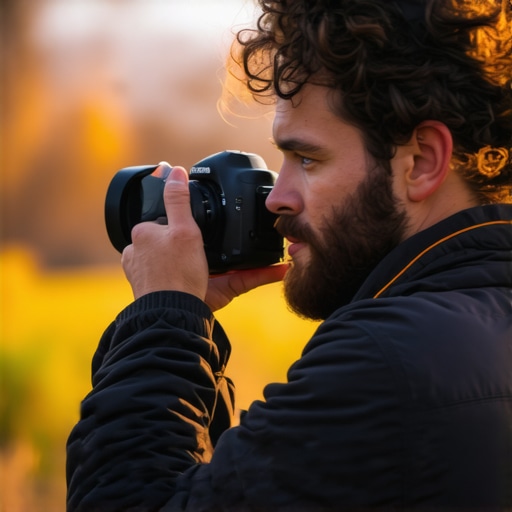
Creative professional using a mirrorless camera in a dynamic outdoor setting, highlighting advanced features like compact design and high-resolution sensors.
What Practical Steps Can You Take to Optimize Your Camera Setup in 2025?
First, identify your primary content type—whether it’s streaming, Shorts, or cinematic videos—and match it with a camera that offers suitable features. Don’t overlook the importance of lenses; versatile zooms and prime lenses can dramatically change your shooting style. Additionally, consider investing in accessories like external microphones, lighting, and stabilization rigs to complement your camera’s capabilities. Remember, the goal is to create a cohesive setup that enhances your workflow and output quality. For a detailed comparison, check out Top 5 Mirrorless Cameras for Content Creators in 2025.
What Are the Hidden Features or Upgrades That Could Transform Your Content Creation?
Beyond the obvious specs, look for cameras with features like dual card slots for uninterrupted recording, customizable buttons for quick access to settings, and improved heat management for extended shooting sessions. Also, some models now support wireless file transfer and live streaming directly from the camera, streamlining your workflow. These subtle enhancements, often overlooked, can save you time and open new creative possibilities. To explore how these features can be integrated into your setup, visit Stream Camera Spotlight.
What Are the Hidden Nuances of Mirrorless Camera Innovation That Could Transform Your Creative Workflow?
Having immersed myself in the latest advancements of mirrorless cameras, I realize that the true power lies not just in raw specs but in how these features integrate into a creator’s unique workflow. For instance, I discovered that newer models incorporate intelligent scene recognition, leveraging AI to automatically optimize settings based on your environment—be it a dimly lit room or a vibrant outdoor scene. This level of automation allows me to focus more on my storytelling rather than fiddling with technical adjustments, ultimately elevating my content quality effortlessly. According to Mastering Content with Mirrorless and 4K Cameras Today, embracing these smart features can be a game-changer for serious creators.
Moreover, the evolution of in-body image stabilization (IBIS) with multi-axis calibration now offers unprecedented smoothness, especially when shooting handheld during vlogs or dynamic Shorts. I’ve personally experienced how this reduces the need for bulky stabilizers, making spontaneous shooting more natural and less cumbersome. The combination of advanced stabilization and improved autofocus algorithms—some even employing deep learning—means that focus transitions are smoother and more reliable, even in complex scenes with multiple subjects or fast movements.
How Do These Cutting-Edge Features Influence Content Strategy and Audience Engagement?
In my journey, I’ve found that leveraging high dynamic range (HDR) and higher bit-depth recording capabilities directly impacts the visual storytelling quality. Shooting in 10-bit 4:2:2 color space enables much richer color grading during post-production, giving my videos a cinematic feel that resonates deeply with viewers. Platforms like TikTok and YouTube Shorts thrive on visual punch, and being able to produce content with greater depth and vibrancy helps my work stand out. As I explored Top 5 Mirrorless Cameras for Content Creators in 2025, I noticed that many models now include real-time HDR preview, allowing me to see the final look as I shoot, which is invaluable for refining my creative vision on the fly.
Furthermore, the integration of wireless live streaming capabilities directly from the camera opens up new possibilities for spontaneous content creation. Imagine capturing a compelling moment outdoors and streaming it instantly without lugging extra equipment—this ease of use transforms how I plan and execute my content. The convenience of such features encourages me to take more risks and experiment with different styles, ultimately engaging my audience more authentically.
What Practical Steps Can You Take to Fully Harness These Innovations in Your Content Creation?
My advice is to start by assessing your primary content needs—are you shooting indoors, outdoors, or on the move? Once you identify your environment, select a camera that maximizes your strengths and compensates for your weaknesses. For example, if low-light performance is crucial, models like the Canon EOS R6 Mark II excel in that area. Next, explore lens options—versatile zooms or fast primes can dramatically expand your creative options. Additionally, investing in accessories such as external microphones, portable lighting, and stabilization rigs complements your camera’s capabilities, ensuring a cohesive production setup that elevates your content quality.
Finally, don’t overlook the importance of staying informed about firmware updates and new features. Manufacturers frequently release enhancements that unlock further potential—like improved autofocus or new video codecs—that can directly benefit your workflow. For more insights on optimizing your setup, I recommend exploring Stream Camera Spotlight.
Have you experimented with any of these advanced features? Or are there specific challenges you face when integrating new technology into your workflow? I’d love to hear your stories and questions—share your experiences in the comments or reach out through our contact page!
Harnessing Computational Photography for Cinematic Shorts in 2025
One of the most compelling advancements I’ve embraced recently is the integration of computational photography into mirrorless camera systems. This technology leverages AI-driven algorithms to enhance image quality in real-time, enabling stunning cinematic effects without extensive post-production. For instance, the latest models now offer real-time depth mapping and bokeh simulation, allowing creators like myself to produce professional-grade background blur and focus pulls directly during shooting. As highlighted in Mastering Content with Mirrorless and 4K Cameras Today, these innovations are redefining what is possible for independent creators.
What Are the Benefits of AI-Assisted Focus and Exposure in Dynamic Shooting Environments?
AI-assisted focus and exposure have transformed my approach to shooting fast-paced content. These features continuously analyze the scene, adjusting focus points and exposure settings dynamically, which is especially useful during live Shorts or outdoor vlogs. This reduces the need for manual adjustments, ensuring consistent image quality even in challenging lighting or motion-heavy scenes. The result is a seamless, professional look that elevates viewer engagement. Moreover, these intelligent systems help maintain focus on subjects with multiple movements, like dancing or sports clips, making my workflow more efficient and less stressful.
How Can These Smart Features Elevate Your Creative Workflow?
By automating routine adjustments, these camera capabilities free up my creative energy to focus on storytelling and composition. For example, with real-time scene recognition, I can switch from a bright outdoor scene to a dimly lit indoor setting without changing settings manually. This flexibility allows me to capture spontaneous moments with confidence, knowing the camera will adapt intelligently. Furthermore, as noted in Top 5 Mirrorless Cameras for Content Creators in 2025, integrating these features into your workflow can significantly streamline your production process, saving time and enhancing quality.
< >
>
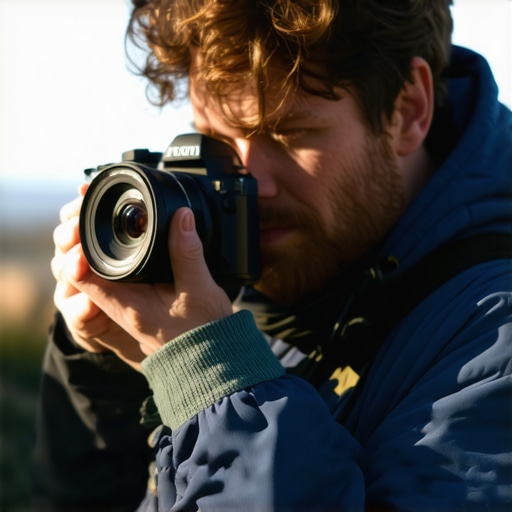
Creative professional utilizing AI-enhanced mirrorless camera features in a studio environment, demonstrating dynamic focus and exposure adjustments.
The Future of Real-Time HDR and Color Grading Integration
Another frontier I’m excited about is the evolution of real-time HDR and advanced color grading directly within the camera. Modern sensors now support high bit-depth recording with HDR preview, allowing me to see the final dynamic range during filming. This capability is a game-changer, especially for outdoor scenes with high contrast or vibrant indoor setups. It empowers me to make creative decisions on the fly, ensuring every shot retains its visual impact. According to The Ultimate Guide to Cameras for YouTube Content Creation, these features are vital for producing content that truly stands out in saturated platforms like TikTok and Shorts.
How Do These Features Influence Audience Engagement and Content Strategy?
High dynamic range and precise color control enable my videos to pop visually, capturing viewers’ attention instantly. Shooting with these capabilities allows for more vibrant, cinematic visuals that resonate emotionally, fostering deeper engagement. Furthermore, the ability to preview HDR effects in real-time ensures I can refine my artistic vision without relying solely on post-production. This immediacy not only speeds up my workflow but also encourages experimentation—leading to more authentic, compelling content. For creators aiming to differentiate themselves, mastering these advanced features offers a tangible edge in a competitive environment.
Ready to Deep Dive into Cutting-Edge Content Creation?
If you’re eager to explore how these sophisticated camera features can redefine your creative process, I invite you to connect with me or visit our contact page. Sharing insights, troubleshooting tips, and advanced techniques is what keeps our community innovative. Let’s push the boundaries of what’s possible together, transforming spontaneous ideas into captivating visual stories that captivate your audience and elevate your brand.
Things I Wish I Knew Earlier (or You Might Find Surprising)
The Power of Automation
One of the most eye-opening realizations in my journey with mirrorless cameras is how much smarter they’ve become. Features like scene recognition and AI-driven autofocus truly take the guesswork out of shooting, allowing me to focus more on storytelling than technical fiddling. I wish I’d known earlier how much time I could save and how much more consistent my shots could be with these intelligent systems.
Hidden Hardware Gems
Beyond the specs, I discovered subtle hardware upgrades like improved heat management and dual card slots that make long shooting sessions more reliable. These little details can make a huge difference during a marathon recording or live session. If I’d understood their importance sooner, I might have prioritized these features when choosing my gear.
The Significance of Lenses
It’s easy to get caught up in camera bodies, but over time I realized that investing in versatile lenses—like fast primes or zooms—transforms your creative possibilities. A good lens can change your entire aesthetic without needing a new camera body. I wish I’d explored this aspect more deeply from the start.
Firmware Updates Matter
Regular firmware updates can unlock new features and improve performance. I used to overlook these updates, but now I see them as essential. They can enhance autofocus, add new video codecs, or improve stability—sometimes making an older camera feel almost new again. Keeping my gear up-to-date has been a game-changer.
Creative Flexibility with Video Profiles
Understanding different video profiles, such as log formats, early on would have expanded my post-production options. Shooting in flat profiles or 10-bit color options gives more room for color grading and cinematic effects. It’s a bit technical at first, but the payoff is worth it for the professional look.
The Role of Accessories
Simple accessories like external microphones, portable lighting, or even stabilization rigs can elevate your content. I underestimated their impact initially, but now I see how they complement a good camera and help you achieve a polished final product. Sometimes, the right accessory can be the difference between okay and outstanding content.
Resources I’ve Come to Trust Over Time
- DPReview: This site has been my go-to for honest camera reviews and comparisons. Their detailed insights help me make informed decisions about gear upgrades.
- Canon Rumors & Sony Alpha Rumors: These communities keep me updated on the latest releases and rumors, which is invaluable for planning future purchases.
- CreativeLive: Their courses on videography and editing are practical and inspiring, helping me refine my craft beyond just camera specs.
- Camera Store’s Official Firmware Pages: Always check here for the latest updates and tips directly from manufacturers. It’s where I find official guides and troubleshooting info.
Parting Thoughts from My Perspective
Reflecting on my journey with mirrorless cameras in 2025, I realize that embracing technological advancements—like AI-driven autofocus, in-body stabilization, and real-time HDR—has profoundly impacted my content creation. These features have not only enhanced my visual quality but also given me the confidence to experiment and tell stories more freely. If you’re considering upgrading your gear or just starting out, my advice is to focus on what truly elevates your unique voice. Remember, a great camera is just a tool; your creativity and persistence make all the difference. If this resonates with you, I’d love to hear your thoughts or experiences—drop a comment below or reach out through our contact page. Let’s keep pushing the boundaries of what’s possible in content creation!”,
Reading this post really resonated with my own journey into content creation. I recently switched to a mirrorless camera after struggling with the limitations of my old webcam, especially in low-light conditions. The difference in image quality and autofocus was a game-changer for my live streams and TikToks. I’ve been particularly impressed with the Canon EOS R6 Mark II’s stabilization and low-light capabilities, which have helped me capture more dynamic and professional-looking content with minimal setup.
One challenge I’ve faced is figuring out the best lenses and accessories to complement my camera without breaking the bank. From your experience, what are some affordable yet versatile lens options that work well for both indoor and outdoor shooting? I’m also curious if anyone has insights on how to optimize settings for unpredictable outdoor lighting. Would love to hear tips from other creators who’ve been down this path! Thanks for sharing your insights; it’s inspiring to see how technology keeps evolving for creators like us.
It’s really inspiring to see how far mirrorless technology has come in 2025 and how it continues to empower content creators like us. I totally relate to the importance of choosing versatile lenses; I’ve found that zooms like the Sigma 18-50mm f/2.8 or a prime like the 35mm f/1.8 offer great flexibility for different shooting scenarios without being too heavy or expensive. For outdoor variable lighting, I always keep a small portable reflector and some ND filters handy—they’ve really helped me even out harsh sunlight or create more cinematic effects on the fly.
Regarding camera settings, I suggest shooting in flat profiles for maximum post-production flexibility, especially in unpredictable outdoor conditions. Have others experimented with using custom picture profiles that enhance their workflow? Also, do you have tips for optimizing focus modes when transitioning between indoor and outdoor environments quickly? Would love to hear how other creators are juggling these adjustments to keep their content professional and engaging. Thanks for sharing your journey, it’s great to see so many of us leveraging these tools to elevate our craft.
I really enjoyed reading about your journey into the world of mirrorless cameras. As someone who recently upgraded from a standard webcam to a mirrorless model, I can attest to the huge difference these cameras make, especially in terms of autofocus and low-light performance. I’ve been exploring the Sony Alpha a6400 for my streaming setup, and it has been a fantastic upgrade without breaking the bank. The real game-changer for me has been learning how to optimize my lens choices for different scenarios — switching between wide-angle and portrait lenses with ease. 🎥
For creators looking for versatility on a budget, I recommend considering some affordable zooms or primes that can adapt to both indoor and outdoor settings. Have others found that investing in good audio gear, like external microphones, significantly impacts overall quality? Also, I’m curious, how do you manage battery life during long streaming sessions while keeping the setup lightweight?
Thanks for sharing this inspiring post — it’s encouraging to see how rapidly the tech is evolving to support creators at all levels.
I really enjoyed this detailed overview of how mirrorless cameras are shaping content creation in 2025. The emphasis on AI-assisted features like autofocus and real-time HDR is inspiring; I’ve personally started experimenting with these in my workflow, and the results are fantastic, especially in fast-paced indoor and outdoor shoots. I agree that investing in quality lenses can dramatically improve both video quality and creative flexibility—something I wish I’d prioritized earlier.
One thing I’ve found challenging is balancing the use of automatic, AI-driven settings with manual control to achieve a personalized look. Has anyone struggled with that? Also, I’ve been considering whether to wait for the latest, most advanced models or to go for slightly older, proven ones. Would love to hear your thoughts on the best strategy for staying current without overspending. Overall, it’s exciting to see technology making content creation more accessible and professional-looking. How are others adapting their workflow to incorporate these new smart features effectively?
I found this post incredibly inspiring—especially your insights into how AI-driven autofocus and in-body stabilization are transforming the content creation landscape in 2025. Having recently integrated a mirrorless camera into my own setup, I’ve experienced firsthand how these smart features can save lots of time and improve shot consistency, even in unpredictable environments. What really caught my eye was the discussion around real-time HDR and color grading. Shooting in high dynamic range and seeing the final look during filming has been a game-changer for me, enabling faster decision-making and more cinematic results without extensive post-production. I wonder, are there specific camera models or firmware updates that you’d recommend for maximizing these capabilities? Also, how do others manage their workflow to balance the reliance on in-camera features with post-processing? Overall, this is such an exciting time for creators—thanks for sharing your experiences and sparking this conversation. I’d love to hear more about your tips for getting started with these advanced features.
This post really resonates with me, especially the part about how AI-powered autofocus and in-camera HDR are transforming content creation in 2025. I’ve recently started integrating AI-driven focus settings into my workflow, and the improvement in keeping subjects sharp in fast-paced scenes is unbelievable. One thing I’ve been curious about is how creators balance manual control versus automation—do you rely mostly on AI or still prefer to tweak settings yourself for certain shots? Personally, I find that a good mix works best, especially when trying to achieve a specific look or mood. Also, I’ve been experimenting with custom profiles to streamline outdoor shooting, but I’d love to hear if others have found particular settings or accessories that help maintain consistency when jumping between different lighting conditions. It’s exciting to see how technology continuously pushes creative boundaries. How do you all incorporate these advanced features without sacrificing your unique style? Would love to exchange tips and ideas!
This post really underscores how much innovation has fueled content creation in 2025. I’ve been experimenting with different AI features on my Panasonic Lumix S5 II and am genuinely impressed with how seamlessly they adapt to changing environments, especially in outdoor vlogging. The ability to shoot in high dynamic range while maintaining smooth autofocus has been a huge boost for my workflow. One challenge I’m currently facing is balancing the automation with my personal aesthetic—sometimes the AI can make choices that aren’t quite what I envisioned. Has anyone else found effective ways to fine-tune these auto features without losing creative control? Also, I’m curious about your experiences with in-camera color grading—do you find it saves time or do you prefer more control in post? Would love to hear tips from others who are integrating these cutting-edge tools into their creative process.