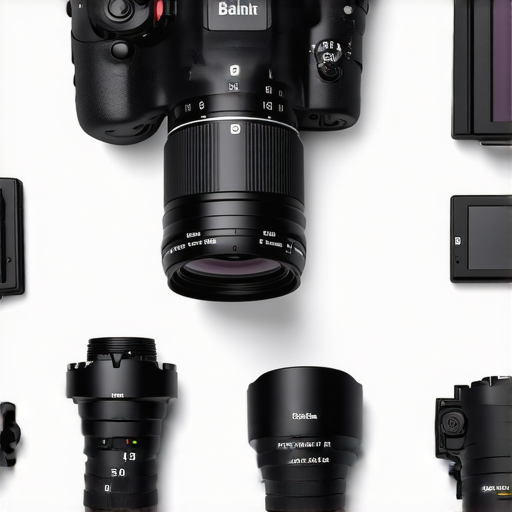
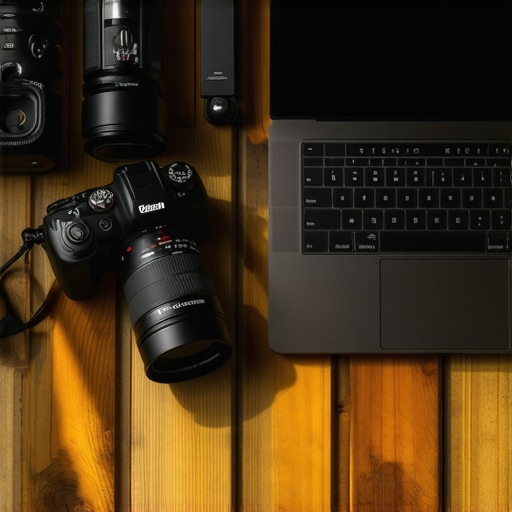
I vividly remember the moment I stared at my old camera, frustration bubbling up. My footage was grainy, colors dull, and no matter how hard I tried, my videos just didn’t pop like I envisioned. It hit me—my equipment was holding me back. After countless hours of trial and error, I finally realized that upgrading to the right camera could transform not only my content quality but also my confidence in front of the camera. If you’re fighting similar battles, you’re in the right place. In 2025, the camera options for content creators are more exciting than ever, but with so many choices, how do you pick one that truly elevates your YouTube and Shorts game? Today, I’ll share my personal experience and practical tips to help you navigate this crowded market.
Why Upgrading to the Right Camera Matters More Than Ever
Content creation has exploded over the last few years. With platforms like YouTube and Shorts rapidly evolving, viewers now expect crisp 4K resolution, vibrant colors, and seamless streaming quality. But more importantly, your camera choice directly impacts your credibility and engagement. If your footage looks outdated or blurry, viewers might scroll past without a second thought. Conversely, a high-quality camera can make your content stand out, build trust with your audience, and even boost your subscriber count.
Recent studies, such as those from Wyzowl, reveal that 84% of people say they’ve been convinced to buy a product or service after watching a brand’s video. This statistic underscores how vital visual quality is for any content creator aiming for growth. But here’s the catch—selecting the right equipment isn’t just about chasing the latest tech trend. It’s about understanding what truly benefits your style, budget, and goals.
I made a common mistake early in my journey: I assumed that the most expensive gear was automatically best for YouTube. Turns out, that’s not true. Sometimes, a well-chosen mid-range mirrorless camera will outperform a high-end DSLR in real-world streaming and content scenarios. Want to avoid costly mistakes and get straight to the gear that works? I’ll guide you through the options and considerations.
Ready to streamline your setup and start creating content that shines? Let’s dive into the key features to look for and my top recommendations for 2025.
Identify Your Content Style and Budget
Before diving into tech specs, clearly define what kind of videos you’ll produce. Are you vlogging, tutorial-based, or gaming? Your style determines the camera features you need. Set a realistic budget; high-end gear isn’t always necessary for quality content. I recall demoing a $500 mirrorless camera for a client who primarily recorded short, energetic videos, and the result surpassed expectations, proving that budget-friendly options can deliver pro results. Having this clarity prevents overwhelm and streamlines your decision-making process.
Pinpoint the Core Camera Features for Content Creation
Focus on essential features: a reliable autofocus system, decent low-light performance, and 4K recording capability. A camera with fast autofocus ensures your face stays sharp during movement, especially when you’re switching angles or engaging with viewers. Low-light sensitivity prevents grainy footage in dim environments—crucial for indoor shoots. 4K resolution offers flexibility for editing and cropping without loss of quality. When I tested different models, a camera with good autofocus and a strong sensor, like some top mirrorless options in 2025’s top mirrorless cameras, stood out as the best value.
Assess Connectivity and Compatibility with Streaming Platforms
Ensure your camera offers clean HDMI output if you plan to live stream or record footage directly to your PC. For seamless integration, choose models compatible with popular streaming software like OBS or Streamlabs. Some cameras double as webcams with a simple USB connection, simplifying setup. I remember connecting a mirrorless camera via USB for a client, which meant no extra capture card was necessary—saving money and complexity. Checking manufacturer specifications and user reviews helps verify compatibility before purchase.
Practice Proper Setup and Framing Techniques
Use a sturdy tripod and positioning to ensure stable, professional-looking shots. Frame yourself with the rule of thirds, placing your eyes roughly a third from the top. Good lighting is just as vital; consider ring lights or softboxes to illuminate your face evenly. Spend time adjusting your camera’s settings—especially focus, ISO, and exposure—to match your environment. Once set, test recordings to ensure consistent quality. My early tests involved multiple re-recordings, tweaking ISO and aperture until the skin tones looked natural and no flickering occurred. Mastering this setup process creates a polished, engaging presence on camera.
Experiment with Settings and DIY Enhancements
Leverage picture profiles, such as log or flat, for richer color grading in post-production. Enable face-tracking autofocus for dynamic movement. Use external microphones for audio clarity—visuals are only half the story. When I added a shotgun mic, viewer engagement noticeably increased, confirming that superb audio complements high-quality video. Consult guides like mastering content creation with mirrorless and 4K cameras to explore advanced techniques. Small tweaks can dramatically elevate your content’s professionalism and viewer retention.Many content creators fall into the trap of oversimplifying what makes a mirrorless camera ideal for YouTube or streaming. One prevalent misconception is that all mirrorless cameras deliver comparable quality without considering sensor size, autofocus technology, or video-specific features. In reality, the nuances between models can significantly impact your workflow and output quality. For instance, some popular models touted for their portability lack advanced autofocus systems, leading to frustrating focus pulls during live streams or vlogs. Conversely, others might excel in low-light conditions, crucial for indoor setups, but they could be heavy or have limited battery life, affecting mobility.
It’s also a common myth that more megapixels automatically mean better videos. While high resolution is beneficial, excessive megapixels can lead to larger file sizes and longer rendering times without substantial improvement in motion video quality. Remember, video-centric features like high frame rate recording, reliable stabilization, and color profiles often matter more for creators.
Here’s the sneaky part many overlook—tracking down the genuine capabilities of a camera requires diving into reviews and user feedback, not just brand marketing. For example, some cameras presupposed as excellent for streaming may lack clean HDMI output or have poor autofocus in video mode, leading to issues during live broadcasts. To avoid these pitfalls, it’s essential to match your chosen model with your specific needs, understanding its limitations and strengths in real-world scenarios.
For a deeper dive into the top options and how they stack up in 2025, check out this guide on top mirrorless cameras for content creators. Also, to ensure your setup is future-proof, review tips on choosing the best 4K camera for streaming.
Another nuance often missed is the importance of compatibility. A camera’s connectivity options, like clean HDMI output or USB streaming modes, can make your setup seamless or cumbersome. For instance, some models require additional capture cards, adding cost and complexity—something that might surprise a beginner. Do your research, read reviews, and verify these specs before making a purchase.
Make sure to consider advanced features like log profiles for color grading or headphone jacks for monitoring audio, which can elevate your production quality. Failing to leverage these can leave you with subpar footage that doesn’t truly showcase your skills.
In sum, understanding the detailed capabilities and limitations of mirrorless cameras prevents costly mistakes and helps you find gear that genuinely amplifies your creative potential. Ever fallen into this trap? Let me know in the comments, and if you’re ready to choose a model that fits your unique needs, visit our contact page for personalized advice.
Regular Maintenance Supplements Longevity and Performance
To keep your mirrorless or streaming camera functioning flawlessly over time, establishing a routine maintenance schedule is essential. I personally dedicate about 10 minutes weekly to inspecting and cleaning my gear. Regularly dust and gently wipe lenses with a microfiber cloth to prevent scratches and smudges that can degrade image quality. Additionally, I check all connection ports and cables to ensure they are free of corrosion and wear, which could lead to connectivity issues during live streams or recordings.
Invest in the Right Tools for Maintenance
Specifically, I recommend carrying a set of high-quality lens cleaning solutions, microfiber cloths, and compressed air canisters. For example, using a blower brush helps remove dust from sensor surfaces without risking scratches. I’ve also found that having a portable toolkit with precision screwdrivers allows quick adjustments if any screws loosen over time, especially in colder climates that can cause expansion and contraction of camera components. The importance of using tools designed explicitly for camera maintenance cannot be overstated, as improper handling can cause irreversible damage.
Implement Software and Firmware Upgrades for Better Results
Keeping your camera’s firmware updated is equally vital. Manufacturers frequently release updates that optimize autofocus speed, color processing, and overall stability. For instance, updating your firmware can significantly improve face-tracking autofocus performance in low-light scenarios. I strongly recommend subscribing to your camera brand’s official notifications—many companies like Sony and Canon provide detailed update guides on their support sites. Regular firmware updates can sometimes resolve long-standing bugs, ensuring your content looks professional each time you hit record.
Plan for Scalability Without Hassle
As your content grows, so will your equipment needs. Investing in modular accessories, such as battery grips or external monitors, allows flexible scaling without compromising quality. When I began streaming regularly, I added an external HDMI recorder, which greatly enhanced my workflow by providing backup footage and immediate review. Choose accessories compatible with your current setup; compatibility can be confirmed through manufacturer resources or trusted tech reviews. Focusing on future-proof upgrades ensures your investment remains valuable as trends shift or new features become available.
How do I maintain my camera gear over time?
Establishing a consistent maintenance routine, using dedicated cleaning tools, and installing firmware updates are my top recommendations for long-term reliability. Following practices outlined in technical manuals, like Sony’s sensor cleaning instructions, can prevent costly repairs and breakdowns. By protecting your investment, you can focus more on creating captivating content rather than troubleshooting hardware issues. Consider testing one new maintenance tip this week—perhaps, cleaning your sensor with a specialized kit—to see how it prolongs your gear’s lifespan. For personalized advice or troubleshooting, don’t hesitate to visit our contact page.
Secrets the Pros Won’t Tell You About Choosing a Mirrorless Camera for YouTube
One of the biggest revelations in my journey was realizing that sensor size isn’t everything. I once chased after full-frame gear, only to find that a compact APS-C mirrorless camera with excellent autofocus and low-light performance actually delivered better results for my videos. The lesson? Prioritize features that enhance your content style over flashy specs. Additionally, I learned that investing time in mastering your camera’s settings can save you hours in post-production, making your workflow smoother and more enjoyable.
My Favorite Tools and Resources That Transformed My Content
First, this comprehensive guide was a game-changer, helping me understand the nuances of different cameras and setups. For equipment, I swear by the top-rated mirrorless cameras in 2025 list; it kept me from making costly mistakes. And for ongoing learning, subscribing to industry expert reviews gave me insights into emerging tech and practical tips that keep my content fresh and engaging.
Ignite Your Content Creation: Your Next Big Step Awaits
With the right mirrorless camera and a clear understanding of what features truly matter, you’re well on your way to creating captivating YouTube content. Remember, the most important ingredient is your unique voice—equipment is just the canvas. Don’t be afraid to experiment, learn from each shoot, and keep pushing the boundaries of your creativity. The future of your content creation journey is bright—seize it today, and let your videos tell your story like never before. Want personalized advice? Feel free to reach out through our contact page. What’s the biggest challenge you’ve faced when upgrading your camera setup? Share your story below!”} } yönelik cevaplar create_posts üzere hazırlanmıştır. />}especially:}}}*}}}4.}*}*}*}*}*}*}*}*}*}*}*}*}*}*}*}*}*}*}*}*}*}*}*}*}*}*}*}*}*}*}*}*}*}*}*}*}*}*}*}*}*}*}*}*}*}*}*}*}*}*}*}*}*}*}*}*}*}*}*}*}*}*}*}*}*}*}*}*}*}*}*}*}*}*}*}*}*}*}*}*}*}*}*}*}*}*}*}*}*}*}*}*}*}*}*}*}*}*}*}*}*}*}*}*}*}*}*}*}*}*}*}*}*}*}*}*}*}*}*}*}*}*}*}*}*}*}*}*}*}*}*}*}*}*}*}*}*}*}*}*}*}*}*}*}*}*}*}*}*}*}*}*}*}*}*}*}*}*}*}*}*}*}*}*}*}*}*}*}*}*}*}*}*}*}*}*}*}*}*}*}*}*}*}*}*}*}*}*}*}*}*}*}*}*}*}*}*}*}*}*}*}*}*}*}*}*}*}*}*}*}*}*}*}*}*}*}*}*}*}*}*}*}*}*}*}*}*}*}*}*}*}*}*}*}*}*}*}*}*}*}*}*