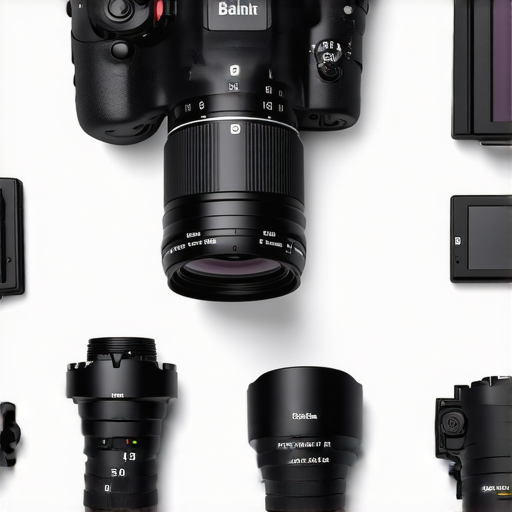

One evening, I was live streaming with a camera that kept overheating and refusing to focus. My heart sank. I knew I was losing viewers, engagement, and credibility—all because of a camera that just couldn’t keep up. That was the lightbulb moment for me. I realized that in the fast-paced world of content creation, having the right tool is not just luxury—it’s a necessity.
Why Your Choice of Camera Can Make or Break Your Streaming and YouTube Success
As a creator myself, I’ve learned the hard way that not all cameras are created equal—especially when it comes to live streaming and producing high-quality YouTube content. In 2025, the competition is fiercer than ever, and viewers expect crisp, seamless visuals. Investing in a top mirrorless camera can dramatically elevate your content game, giving you the professional edge that viewers notice and love.
Is the Latest Mirrorless Tech Overhyped?
Early in my journey, I fell into the trap of believing that a flashy new feature would revolutionize my content. I spent too much on gear without assessing whether it suited my style. Turns out, a mistake many make is chasing specs instead of focusing on what truly benefits their workflow. As I learned, choosing a camera should be about compatibility, ease of use, and fit for purpose—something that guides many successful creators in 2025. According to a recent study by Statista, video content now accounts for over 82% of all consumer internet traffic, emphasizing the need for high-quality equipment to stand out (statista.com).
So, if you’ve found yourself stuck with gear that underdelivers or uncertain whether your current setup meets the demands of streaming and YouTube creation, you’re not alone. The good news? There’s a solution, and it’s more accessible than ever.
Let’s dive into how you can select the best mirrorless camera for your needs in 2025—tools that actually support your growth and creativity, not hold you back.
Assess Your Content Goals Before Picking Your Camera
When I decided to upgrade, I started by defining what I needed: Was it crisp 4K video, reliable autofocus, or low-light performance? Clarifying these priorities is like mapping out a route before a journey—without it, you risk wandering into unnecessary gear expenses or choosing a camera that doesn’t support your style. For example, I realized I needed a camera that handled low-light scenes smoothly because I often record indoors in dim settings. Check your own shooting conditions and content type to narrow your options effectively. Use detailed guides like The Ultimate Guide to Cameras for YouTube Content Creation for insights tailored to 2025 models.
Many aspiring creators fall into traps because of widespread misconceptions about what makes a good streaming or YouTube camera. One of the most persistent myths is that higher resolution always equals better quality. While 4K cameras are impressive, they aren’t a magic bullet. In fact, shooting in 4K requires substantial processing power and storage, which can complicate your workflow if you’re not prepared. According to a recent survey by creator-focused research, many users sacrifice smooth live streams for pixel density, leading to choppy broadcasts, especially when hardware isn’t optimized.
Another misconception is that mirrorless cameras are inherently superior to DSLRs for content creation. While mirrorless models in 2025 boast impressive autofocus and compact designs, some creators overlook the lens ecosystem or overheating issues during extended sessions. The truth is, selecting a camera should be about matching your specific needs—be it low-light performance, autofocus speed, or compatibility—rather than defaulting to the latest buzzword or tech hype. For an in-depth comparison, I recommend reviewing our top mirrorless picks for 2025.
What advanced pitfalls do creators often overlook when choosing equipment?
Many overlook the importance of reliable autofocus and low-light performance, especially when streaming live or shooting in uncontrolled environments. Poor autofocus can cause distracting focus shifts, undermining viewer experience, while inadequate low-light capabilities result in grainy footage that diminishes perceived professionalism. It’s a common mistake to prioritize mega-pixels or brand prestige without considering real-world usability. Experts emphasize that understanding these nuanced features can save you from costly rebuys and frustration. For guidance, check out our comprehensive ultimate guide on content-specific camera choices.
Additionally, some creators underestimate the significance of ergonomics—how comfortable and intuitive the camera feels during long shoots. Heavy or complicated setups can lead to fatigue or mistakes, affecting your content quality. Remember, investing in a camera that complements your workflow is far more beneficial than chasing specs. Once you’ve identified your unique needs and avoided these common pitfalls, you’ll be better equipped to choose gear that truly supports your growth. Want more personalized advice? Reach out through our contact page.
Have you ever fallen into this trap? Let me know in the comments and share your experiences with gear choices that surprised you!
,
How do I maintain my streaming and camera setup over time?
Maintaining your content creation tools isn’t just about ticking boxes—it’s about ensuring consistent performance and longevity. I recommend establishing a routine check-in, where you clean your camera lenses with a microfiber cloth—never harsh chemicals—and periodically update your firmware to benefit from the latest stability improvements and features. For example, the ultimate guide for content creators emphasizes the importance of firmware updates to fix bugs and improve compatibility, especially with newer streaming software.
In my setup, I use a dedicated external monitor connected via HDMI to regularly verify image quality, focus, and color accuracy. This helps me catch issues early, like dust on the sensor or overheating signs, before they ruin a shot during a live stream. Implementing a schedule—monthly or quarterly—to inspect your gear prevents minor problems from escalating. An often overlooked aspect is protecting your equipment with quality cases and desiccant packs to control humidity, especially if you’re in a high-moisture environment. Regularly backing up your camera settings and profiles ensures that if a firmware update or hardware repair is needed, you won’t lose your preferred configurations.
Looking ahead, I believe tools will become even smarter, integrating AI-driven diagnostics that alert you to potential issues before they occur. Companies are already experimenting with firmware that preemptively detects overheating or battery degradation, which could save hours of troubleshooting. To stay ahead, familiarize yourself with your gear’s technical docs—like the detailed 4K camera specifications—and embrace preventive maintenance.
To put this into practice, try setting a bi-monthly inspection routine and leverage software updates to enhance stability. Don’t wait for a failure to act—regular care is your best investment for sustained content quality. If you’re eager to explore advanced maintenance methods, reach out via our contact page and get personalized advice.
What I Wish I Knew Before Committing to That Gear
One of the hardest lessons I learned was that chasing the latest features can distract you from what truly matters—reliability and workflow compatibility. I wasted time and money on high-megapixel cameras that didn’t fit my indoor setup, only to realize that autofocus speed and low-light performance made a bigger difference. This experience taught me to focus on the core capabilities that support my content style rather than flashy specs that often go underused.
Another insight was understanding that over-investing in gear without a clear content goal can bottleneck your growth. Many creators assume better equipment automatically translates to better content, but without a strategic vision, even the most advanced camera won’t make your videos engaging. Defining your content priorities—like crisp 4K quality or seamless autofocus—guides smarter investments.
Finally, I discovered that maintenance and future-proofing are parts of the equipment journey. Regular updates, cleaning, and monitoring your gear extend its lifespan and performance. Embracing these practices ensures your setup remains reliable, so you stay focused on delivering your best content consistently. For in-depth insights, our ultimate guide to camera choices provides detailed guidance to avoid common pitfalls.
Reading this post really resonated with me, especially the emphasis on matching gear to actual content needs rather than chasing the latest tech hype. I recall times when I’ve been tempted by high-megapixel cameras with advanced features, only to find that they didn’t significantly improve my streaming quality or workflow. It’s such a common trap that new creators fall into, thinking more expensive or high-spec gear automatically equals better results. From my experience, focusing on reliable autofocus and low-light performance has made a noticeable difference in my weekly live sessions, especially when streaming in the evenings or in dimly lit rooms.