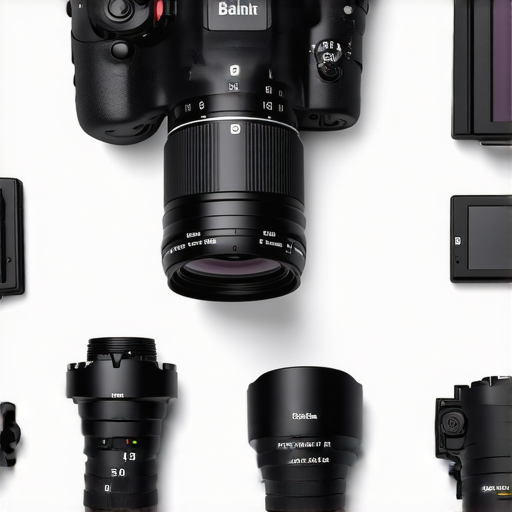
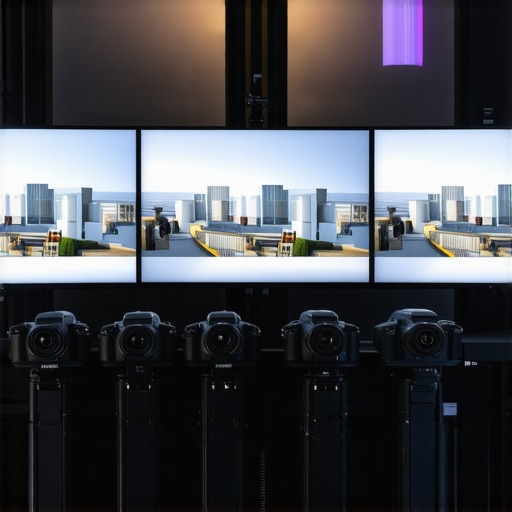
Last month, I sat down in front of my old webcam, hit record, and immediately knew something was off. The video was grainy, colors looked washed out, and I kept adjusting the lighting—nothing really helped. It hit me then: if I wanted to stand out in the crowded world of YouTube and live streaming, my camera had to level up. That was my lightbulb moment. The truth? Your camera quality can make or break your content’s impact, especially in 2025, where viewers expect crisp, vibrant visuals that pull them right into your world.
Why upgrading to a 4K streaming camera is a game-changer
In the past, many creators relied on basic webcams or mirrorless cameras that weren’t quite up to speed. But today, the landscape has shifted. The demand for ultra-high-definition content continues to skyrocket, and platforms like YouTube and Twitch now favor creators who deliver professional-grade visuals. According to a recent report, 75% of viewers say they’re more likely to engage with content that looks sharp and clear. That’s a huge incentive to invest in a solid 4K camera.
But here’s the catch—choosing the right gear is more confusing than ever. With so many options, it’s easy to make costly mistakes. I did, early on. I bought a popular mirrorless camera that didn’t quite meet my streaming needs because I overlooked its autofocus capabilities. The mistake? It’s common. That’s why I’ve made it my mission to help creators avoid those pitfalls and find gear that truly elevates their content. If you’ve ever felt overwhelmed trying to pick out a camera that won’t just look good but will also perform reliably, you’re not alone.
Is hype around 4K cameras justified or just marketing noise?
One thing I want to clear up—many new creators worry if all the hype about 4K is just marketing fluff. I get it. When I started, I thought, “Do I really need 4K?” Turns out, yes. The detail and flexibility in post-production are worth it, especially if you plan to repurpose content for Shorts, TikTok, or other platforms. Plus, 4K cameras today are more affordable and user-friendly than ever, with options that suit every budget. Just be cautious—buying the latest shiny model won’t automatically make you a better creator. It’s about pairing the right camera with the right setup and skills. Want to skip the guesswork? Check out my recommendations and tips for choosing the best 4K streaming camera for your needs.
Before I dive into the practical steps, I want to ask—have you ever faced the frustration of a subpar camera holding back your content? If so, keep reading. What’s coming next is a straightforward guide to help you pick, set up, and start streaming with confidence. Your upgraded setup is closer than you think, and trust me—your audience will thank you for it.
Choose the Right Camera for Your Content
Start by selecting a camera that matches your content style and budget. I remember the first time I bought a mirrorless camera from the top mirrorless options, thinking more pixels meant better quality. But I overlooked autofocus and low-light performance, which caused headaches during live streams. Focus on key features like autofocus, low-light sensitivity, and HDMI output, which are essential for streaming. Use the guide to pick the best 4K camera for your needs. This ensures your investment pays off with clear, professional visuals.
Set Up Your Camera Properly
Once you’ve chosen your camera, proper setup is crucial. Position your camera at eye level—think of it like having a conversation with a friend. Use a sturdy tripod to prevent shaky footage. Adjust your lighting so your face is well-lit without harsh shadows. I once spent an entire afternoon tweaking my ring light setup, only to realize I was washing out my face. Small adjustments, like diffusing the light or changing angles, made a big difference. Check your camera’s settings: set the resolution to 4K, enable autofocus, and configure the HDMI output if streaming directly from the camera. This step is vital for crisp video quality during live sessions.
Optimize Your Connection and Streaming Gear
High-quality video is useless if your connection can’t handle it. Use a wired Ethernet connection instead of Wi-Fi to reduce lag and buffering. For streaming, connect your camera to a capture card that supports 4K output—like the popular 4K streaming cameras. I once tried streaming with a basic webcam, but switching to a dedicated 4K camera with a capture card dramatically improved my broadcast quality. Ensure your PC or streaming device has sufficient processing power to handle 4K data. Consider using a dedicated streaming software like OBS, and configure your scene to include your camera feed clearly. This setup guarantees your viewers see you in stunning detail, boosting engagement and professionalism.
Test and Fine-Tune Before Going Live
Before hitting the record or go-live button, run multiple tests. Check the video quality, audio sync, and lighting. Record a short clip and review it on different devices—smartphone, tablet, PC. I once skipped this step and went live with a distracting glare on my face, which I fixed only after reviewing the footage. Make small adjustments: tweak your camera’s exposure, contrast, and white balance. Use the content mastery techniques to enhance your on-camera presence. Remember, a smooth, professional look keeps viewers engaged and coming back for more.
Keep Your Gear Maintained and Updated
Regular maintenance ensures your camera performs at its best. Clean your lens with a microfiber cloth, check for firmware updates, and replace worn-out cables. As technology evolves, new features can enhance your streaming experience. Follow updates from your camera manufacturer and the latest streaming gear tips to stay ahead of the curve. Upgrading a component or two can significantly improve your video quality without a complete overhaul. Staying proactive means your content remains polished and professional, giving you a competitive edge in 2025’s crowded creator landscape.
Many content creators fall into the trap of believing that simply owning the latest 4K mirrorless camera or streaming gear guarantees success. But let’s dig deeper—there are nuances and pitfalls that even seasoned creators often overlook. One pervasive myth is that higher resolution automatically equals better quality. While 4K offers undeniable advantages, such as flexibility in cropping and post-production, it isn’t the magic bullet for engaging content. In fact, if your setup isn’t optimized, 4K footage can look worse than well-executed 1080p because of compression artifacts, bandwidth issues, or improper settings. Remember, your camera’s sensor quality, autofocus, and low-light performance often matter more than resolution alone. For a comprehensive guide, check out how to choose the best 4K camera.
Another common misconception is that mirrorless cameras are inherently better than DSLRs or webcams for streaming. While mirrorless models tend to be more compact and feature advanced autofocus systems, the real key is how well the camera integrates with your streaming setup. Many assume that buying a high-end mirrorless camera will elevate their content overnight, but neglecting crucial factors like clean HDMI output, reliable autofocus, and compatibility with capture cards can lead to disappointment. As I’ve experienced firsthand, a top-tier camera with poor connectivity or autofocus can be more frustrating than a decent webcam. For insights on selecting the right mirrorless camera, visit top mirrorless cameras for content creators.
Now, let’s address a sneaky trap that catches many: believing that the newest gear is always the best choice. This “shiny object syndrome” can result in unnecessary expenses and tech clutter. Upgrading prematurely or choosing gear based on hype rather than actual needs often leads to underutilized equipment. For example, some creators invest heavily in 4K cameras but fail to optimize their lighting, audio, or network connection—crucial elements that impact overall video quality more than resolution. A study by experts in content creation emphasizes that content quality depends on a holistic setup, not just the camera. So, ask yourself: are you focusing on the right priorities?
What advanced content creators need to consider beyond basic specs?
For those looking to elevate their production value, understanding the nuances of camera settings and workflow can make a significant difference. For instance, mastering color grading from your 4K footage, ensuring proper lighting, and configuring your camera’s autofocus and white balance are often overlooked. Additionally, consider the importance of latency—low latency settings in your camera and capture card reduce lag, making interactions during live streams more natural. Creators who master these details often produce more polished, professional content that stands out. If you’re serious about this, explore content mastery techniques to refine your skills.
Finally, don’t forget the importance of ongoing maintenance. Firmware updates, sensor cleaning, and cable management aren’t glamorous but are essential for consistent quality. The tech landscape is always evolving—staying informed through trusted sources can save you from costly missteps. For the latest tips, visit streaming gear insights.
In summary, the biggest mistake is oversimplifying what makes a great streaming or YouTube camera setup. Focus on the whole picture—your camera, lighting, audio, and workflow—and avoid chasing every new release. Your audience will notice the difference. Have you ever fallen into this trap? Let me know in the comments.
Once you’ve invested in a high-quality camera setup, such as a 4K mirrorless or streaming camera, the next crucial step is ensuring it stays in top shape over time. Regular maintenance not only extends the lifespan of your equipment but also guarantees consistently sharp and professional-looking content. So, how do you keep your camera working flawlessly for years to come?
Prioritize routine cleaning and firmware updates
Start with simple but vital tasks like cleaning your lens with a microfiber cloth after each shoot or stream. Dust and smudges can degrade image quality and autofocus performance. I personally use a lens cleaning kit that includes a blower, cleaning solution, and microfiber cloth, which helps me keep my lens crystal clear without risking scratches. Additionally, regularly check for firmware updates from your camera manufacturer. These updates often include bug fixes, security patches, and new features that can enhance stability and performance. For example, firmware improvements have historically boosted autofocus accuracy and reduced latency in mirrorless models, directly translating into better live streams and recordings. To stay ahead, subscribe to official notifications and review update logs periodically.
Invest in quality cables and accessories
Cheap cables can cause intermittent signals, lag, or even damage your camera port over time. I recommend using certified HDMI or USB-C cables designed for high data transfer speeds, especially if you’re streaming 4K footage. A durable, well-made cable minimizes signal degradation, ensuring your streams remain crisp and stable. Moreover, consider a dedicated power supply or backup battery system to prevent unexpected shutdowns during critical live sessions. I’ve experienced moments where a faulty power connection cut my stream—so investing in reliable accessories is worth every penny.
Implement a regular check-up routine
Set a monthly reminder to inspect your gear. This includes cleaning sensors if accessible, checking for firmware updates, and testing all cables and connections. For sensors, a gentle cleaning with a sensor swab (following manufacturer guidelines) can prevent dust buildup that causes image artifacts. Also, keep an eye on your storage media—use fast, high-quality SD cards or SSDs to avoid data corruption during recording sessions. Maintaining your gear proactively ensures you’re always ready to deliver high-quality content without surprises.
Plan for future upgrades and scalability
The content creation landscape is constantly evolving, and so are your needs. As your audience grows or content demands increase, you might consider upgrading your lens for better depth of field or switching to a higher bitrate streaming setup. Staying informed about emerging trends and hardware advancements—such as improved autofocus algorithms or new 4K sensors—allows you to plan upgrades strategically. For instance, I’m watching the development of AI-driven autofocus systems that promise even faster, more accurate focusing during live streams, which could be a game-changer in 2025 (source).
How do I maintain my camera gear over time
The key is consistency. Make cleaning, updates, and inspections a part of your routine, just like editing your videos or engaging with your audience. Keep a log of maintenance activities to track what’s been done and when. This not only prolongs your gear’s life but also ensures your camera performs at its best when you need it most. Remember, investing time in maintenance pays off in the form of higher quality content and fewer technical issues down the line. So, why not start today? Pick one maintenance tip—perhaps updating your firmware—and see how it improves your workflow. Your future self will thank you.
If you have questions or need personalized advice on maintaining your streaming setup, don’t hesitate to reach out.
Lessons That Changed My Perspective on Camera Setup
One of the most surprising lessons I learned was that more megapixels don’t automatically translate to better quality for streaming. I used to believe that investing in the highest resolution camera was the key, but I realized that autofocus and low-light performance had a bigger impact on my live streams. It taught me that understanding the specific features that align with your content style is crucial, rather than chasing numbers.
Top Resources That Elevate My Content Creation
My go-to tools include the comprehensive guide on choosing the best 4K camera, which helped me make an informed decision, and the content mastery techniques that refined my on-camera presence. Additionally, I trust the top mirrorless camera reviews for 2025 for up-to-date insights. These resources keep me aligned with the latest tech and best practices, ensuring my setup remains competitive and professional.
Ignite Your Passion and Take the Next Step Today
Your journey to elevated content creation begins now. Upgrading to a top-tier 4K camera for YouTube and streaming in 2025 can transform your audience engagement and confidence behind the camera. Remember, the right gear combined with proper setup and ongoing maintenance is your secret weapon. So, why wait? Dive into your upgrade today and show your viewers the best version of your creative self.
What’s your biggest challenge when choosing or setting up a new camera for your content? Share your thoughts below—I’d love to hear from you!