I remember sitting in my cluttered room, staring at a blinking red light on my old webcam, feeling a mix of frustration and hope. That moment hit me hard—realizing that my shaky, low-res streams weren’t reaching the audience I envisioned. I had a story to tell, but my gear was holding me back. Sound familiar? If you’ve ever felt that way, you’re not alone. The good news is, with the right tools and guidance, you can transform your content and truly connect with your viewers.
Why Choosing the Right Streaming Camera Matters More Than Ever
In 2025, content creation is more competitive than ever. Viewers expect crisp visuals, smooth streaming, and professional-quality audio. The truth is, your camera isn’t just a device—it’s your window into the world, your brand’s face, and your storytelling tool. According to a recent study, viewers are 80% more likely to stay engaged with videos that look high-quality. That’s a huge difference, and it highlights why investing in the right streaming camera can be a game-changer.
When I first started, I made a classic mistake: I rushed into buying a fancy mirrorless camera without understanding what I really needed. It looked good, but I struggled with setup, lighting, and even compatibility. That experience taught me a vital lesson—know what you want to achieve and select gear that fits your workflow. Want a quick shortcut? Check out this guide to pick the best 4K camera for your channel.
Have you faced the challenge of choosing the right camera setup for your stream or content?
If yes, don’t worry. Today, I’ll walk you through the must-know tips and trusted gear options to help you make smarter decisions. No more guesswork, just a clear path to professional-looking content that attracts viewers, builds your audience, and boosts your confidence behind the lens.
Let’s dive into what makes a great streaming camera and how you can pick the perfect one for your creative goals.
Pick the Right Camera for Your Content Goals
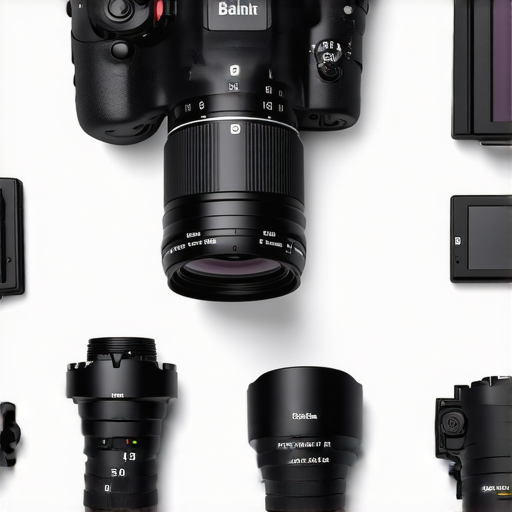
Choosing a camera is like selecting the right paintbrush for a masterpiece. For YouTube and streaming, a high-quality 4K camera ensures crisp visuals that captivate viewers. Consider your budget and space—compact models work well for small setups, while mirrorless cameras offer flexibility and professional quality.
Set Up Your Camera for Success
Once you’ve selected your device, proper setup is vital. Mount your camera on a sturdy tripod or adjustable arm to avoid shaky footage. Connect it to your PC or streaming device using the appropriate cable or capture card. For example, if you’re using a mirrorless camera, you’ll need a top mirrorless camera that supports clean HDMI output. This setup ensures your video feed is clear and professional.
Optimize Lighting and Background
Great visuals depend as much on lighting as on the camera itself. Use soft, diffused light to illuminate your face evenly. Avoid harsh shadows or mixed color temperatures, which can make your stream look unprofessional. Position your light source slightly above and in front of you. For background, keep it tidy or add elements that reinforce your brand—this creates a more engaging viewer experience.
Adjust Camera Settings for Clarity
Manual settings give you control over exposure, focus, and white balance. Set your aperture to keep your face sharp, especially in varying lighting conditions. Use manual focus to prevent autofocus hunting during live streams. If your camera supports it, enable high bitrates and 4K resolution for maximum quality. For guidance on optimal settings, check out this spotlight guide.
Test and Fine-Tune Your Setup
Before going live, do multiple test recordings to evaluate video quality, lighting, and audio sync. Adjust your camera angle, zoom, and focus as needed. Use a mirror or record a short clip to review the output. This step is crucial—messy setups often result in distracted viewers or poor engagement.
Maintain and Upgrade Over Time
Regularly clean your camera lens and check connections to prevent quality drops. As your channel grows, consider upgrading to higher-end gear, like the best 4K streaming cameras or a versatile mirrorless system. Keeping your gear in prime condition ensures your content remains sharp and professional.
Many content creators fall into the trap of oversimplifying their camera choices or buying the latest gear without understanding the nuances that truly impact their video quality. Let’s dig deeper into what most people get wrong about selecting a YouTube or streaming camera, especially when it comes to mirrorless, 4K, and professional-grade setups.
Why Do So Many Believe All Cameras Are Equal for Streaming?
A common myth is that any camera with a high megapixel count or 4K capability will automatically elevate your content. In reality, factors like sensor size, color science, autofocus performance, and low-light capabilities are critical. For example, many assume that a high-end mirrorless camera guarantees perfect results, but if you neglect proper lighting or settings, your footage can still look amateurish. According to a recent study by Wistia, lighting and camera settings account for over 80% of perceived video quality, often more than the camera hardware itself.
The Hidden Trap of Focusing on Resolution Alone
Many beginners prioritize 4K resolution, thinking it’s the ultimate upgrade. While 4K does provide sharper images, it also demands more from your hardware, storage, and internet bandwidth. Overlooking the importance of a good lens, proper exposure, and color accuracy can lead to disappointing results. For instance, a cheap 4K camera with poor lens quality may produce fuzzy or washed-out footage, negating the perceived benefit of high resolution. It’s smarter to invest in a camera with a reliable sensor and good optics and upgrade resolution later as needed.
Advanced Mistake: Relying on Autofocus During Live Streams
Autofocus technology has improved dramatically, but many content creators underestimate how inconsistent it can be during live streaming. Autofocus hunting, lens breathing, or sudden focus shifts can distract viewers and ruin immersion. Manual focus or focus peaking, especially with mirrorless cameras, offers more control. For example, using a camera that supports clean HDMI output and manual focus ensures you stay sharp without embarrassing focus shifts. Check out this guide for more advanced setup tips.
The Importance of Color Science and Post-Processing
Another often overlooked nuance is the role of color science—how accurately a camera reproduces colors—and the potential for post-processing. Cameras with poor color profiles require extensive color grading, which can be time-consuming and tricky for beginners. Conversely, high-end mirrorless models tend to have better color science out of the box, reducing your editing workload. This is why understanding your chosen camera’s color profile and how it fits into your workflow is vital for a professional look.
Have you ever fallen into this trap? Let me know in the comments! Remember, a well-chosen camera combined with proper setup and understanding of its nuances will always outperform just buying the latest shiny gear without strategy.
Keeping your camera gear and streaming setup in top shape is essential for consistent quality and long-term success as a content creator. Just like any technology, your equipment needs regular care and strategic upgrades to stay ahead in the fast-evolving world of digital content. In this guide, I’ll share specific tools, routines, and tips I personally rely on to ensure my setup remains reliable and professional over time.
How do I maintain my camera and streaming tools over time?
First, invest in a high-quality lens cleaning kit and develop a habit of cleaning your camera lens weekly. Dust, fingerprints, and smudges can significantly degrade image quality, especially with mirrorless and 4K cameras where detail matters. Personally, I use a DSLR or mirrorless camera cleaning cloth combined with a blower brush and a gentle lens cleaner. This prevents image degradation and extends the lifespan of your optics.
Second, regularly update your camera firmware and software. Manufacturers frequently release updates that improve autofocus, color profiles, or stability. I make it a point to check for firmware updates monthly via the manufacturer’s official website or dedicated app, ensuring compatibility and optimal performance.
Third, choose a reliable power solution. For longer streaming sessions, I recommend replacing batteries with spare ones or connecting your camera to AC power via a dummy battery or power adapter. This prevents unexpected shutdowns and preserves your workflow. For example, many mirrorless cameras support official AC adapters designed specifically for continuous use, which I highly recommend to avoid interruptions.
Fourth, maintain your connection hardware—especially if you’re using capture cards or HDMI extenders. Dust buildup or loose connections can cause flickering or signal loss. I use compressed air and regularly check all cables and ports, replacing aging cables to ensure a stable feed. For seamless long-term operation, I also keep a few spare cables and connectors in my toolkit.
Lastly, keep your software tools sharp. I use OBS Studio with custom profiles tailored for different lighting conditions and scene setups. Regularly reviewing and updating your scenes and layouts helps maintain a polished look. Additionally, I use dedicated audio routing software like VoiceMeeter to manage audio levels smoothly, which I update and optimize periodically.
Looking ahead, I predict that automation tools and AI-driven diagnostics will become standard. These will monitor your setup in real-time, alerting you to issues before they impact your stream. Embracing these innovations will be key to scaling your content creation efforts and maintaining high-quality output without constant manual intervention.
Try this advanced tip to elevate your setup
One powerful tip I recommend is setting up a remote monitoring system for your camera and PC. Using tools like remote desktop software, you can view your stream quality and system status from a mobile device or secondary monitor. This allows quick troubleshooting during live sessions and ensures your setup remains optimized at all times. Implementing this small change has saved me countless stressful moments and helped maintain a professional level of consistency.
Remember, maintaining your camera gear and streaming tools isn’t just about fixing problems—it’s about creating a reliable foundation for your content. Regular upkeep and strategic upgrades will keep your visuals sharp, your audio clear, and your audience engaged for years to come.
Looking back on my early days of content creation, I realize that the real breakthrough came when I understood the importance of not just having a good camera, but knowing how to maintain and upgrade it effectively. The little lessons—like cleaning my lens regularly, updating firmware, and choosing the right power solutions—made a huge difference in my video quality and reliability. These insights aren’t just tips; they are the foundation of a professional setup that stands the test of time.
What I Wish I Knew About Camera Choices Before Starting
The hardest lesson I learned was that more expensive doesn’t always mean better for your specific needs. I once jumped on a high-end mirrorless model thinking it would instantly elevate my streams, but I overlooked crucial factors like lighting, autofocus reliability, and lens quality. As I experimented, I realized that investing in a camera with a good sensor and color science, and pairing it with proper lighting, was more effective than chasing resolution alone. Remember, a balanced setup beats raw specs every time.
Tools That Keep My Content Sharp and Consistent
- Elgato Cam Link 4K: Reliable capture card that ensures a clean, high-quality video feed from my mirrorless camera to my PC, making setup straightforward and dependable.
- Neewer LED Softbox Lights: Soft, adjustable lighting that makes my face look natural and vibrant, which is crucial for engaging viewers.
- Clean Camera Lens Kit: Regular cleaning keeps my footage crisp and free of smudges, avoiding the amateurish look that dirty lenses cause.
- Firmware Update Schedule: I check for updates monthly, which often improve autofocus, color profiles, and overall stability. Staying current keeps my gear performing at its best.
- Remote Monitoring Tools: Using remote desktop software to view my stream quality on my phone allows me to troubleshoot in real-time and maintain a professional presentation without interruptions.
Keep Moving Forward With Your Camera Journey
The future of content creation is bright and constantly evolving, especially with the rapid advancements in mirrorless and 4K cameras. I encourage you to stay curious and proactive about your setup. Regular maintenance, strategic upgrades, and learning from seasoned creators will help you craft content that not only looks great but also resonates deeply with your audience. Your next breakthrough could be just a camera tweak away.
If you’re ready to level up, start by assessing your current gear and setting a schedule for regular maintenance. When you’re prepared, don’t hesitate to explore new tools and resources—your growth as a creator depends on it. Remember, a well-maintained camera setup isn’t just about quality; it’s about confidence and consistency in your content creation journey.
Reading this guide really resonated with my own journey into content creation. I vividly remember upgrading from a basic webcam to a mid-range DSLR, only to realize I was neglecting lighting and setup. The difference in quality was night and day once I focused on proper illumination and camera settings. It’s true—selecting the right gear is only half the battle; proper setup and maintenance are just as crucial. I’ve found that regularly cleaning my lens and updating firmware have steadily improved my streaming quality.
One challenge I’ve faced is managing autofocus issues during live streams. Manual focus with focus peaking has been a lifesaver for me, preventing those embarrassing focus shifts. How have others managed autofocus, especially with budget-friendly cameras? Do you think investing in higher-end models is worth it for this feature, or are there affordable workarounds? Would love to hear more practical tips from experienced creators to refine my setup further.
This post really hits home, especially regarding the importance of maintenance and proper setup. I remember rushing to buy a high-end 4K mirrorless camera without considering lighting or stable mounting options, which led to underwhelming results initially. It wasn’t until I invested in a good tripod and softbox lights that the footage truly improved, proving that equipment alone isn’t enough. I also agree that regular cleaning and firmware updates are game changers for consistent quality. I wonder, for creators working with tight budgets, what are some cost-effective tips for maintaining gear and ensuring good video quality? I’ve found that even simple solutions like using microfiber cloths and avoiding harsh cleaning materials make a big difference. Also, when it comes to managing autofocus, manual focus with focus peaking has been a lifesaver, but sometimes it’s tricky to get it just right during live streams. Has anyone found affordable autofocus solutions that work well during live content? Always looking for ways to improve the stability and professionalism of my streams—would love to hear the community’s tips!
This guide really hits home for me, especially the focus on proper setup and maintenance. I’ve learned the hard way that even the best camera can underperform if it isn’t well-maintained or properly configured. Cleaning the lens regularly, updating firmware, and using a stable mount made the biggest difference in my video quality over time. I’ve also started experimenting with manual focus and focus peaking, which greatly reduced autofocus hunting issues during live streams. However, I still find that autofocus can be inconsistent in lower-end models, especially in changing lighting conditions. For those on a budget, do you think investing in a good external autofocus lens or focusing on manual control with focus peaking offers a better long-term solution? It seems like the automation isn’t always reliable, and manual control feels more consistent once you get the hang of it. Would love to hear what others are doing to strike that balance between convenience and reliability in their setups.
Your post really opens up the often overlooked importance of ongoing maintenance for stream gear. I completely agree that even the most expensive camera won’t deliver its full potential without regular care and updates. I remember when I first started, I thought buying a high-end camera was enough, but I quickly learned that cleanliness of the lens and timely firmware updates made a noticeable difference. I’ve also found that investing in a good power supply—like a dummy battery—has prevented unexpected shut downs during long streams, saving me a lot of frustration. I recently read that integrating AI-based diagnostics could further streamline this process, alerting creators to issues before they affect the stream. Have any of you experimented with such tools? Additionally, do you recommend any specific routines or schedules that help stay on top of equipment upkeep without it becoming a hassle? Would love to hear personal routines or tools that others find effective for keeping their streaming setups top-notch.
Reading this comprehensive guide really resonated with my experience. I started with a budget-friendly webcam, and I quickly realized that investment in a good camera, along with proper setup, can drastically improve the quality of your streams. I’ve found that regularly maintaining your equipment, like cleaning lenses and updating firmware, makes a huge difference in avoiding technical hiccups during live sessions. What I’ve also learned is that understanding your camera’s settings—like manual focus, white balance, and exposure—is crucial, especially in varying lighting conditions. Manual focus with focus peaking has been a game-changer for me, and it’s helped eliminate those distracting autofocus hunts. For newcomers, do you think it’s better to start with a mid-range mirrorless camera or invest in more advanced gear as you grow? I’d love to hear how others balance budget constraints with maintaining quality.