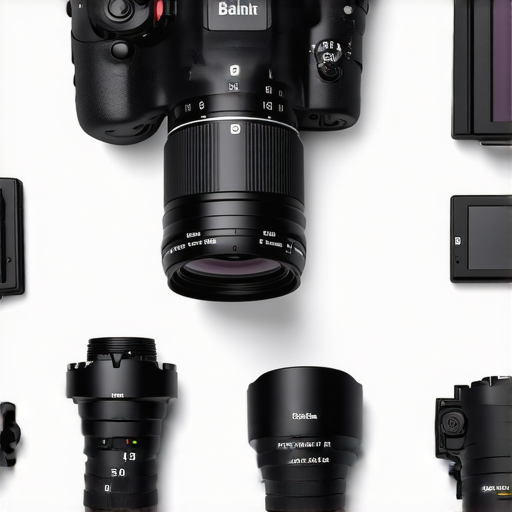
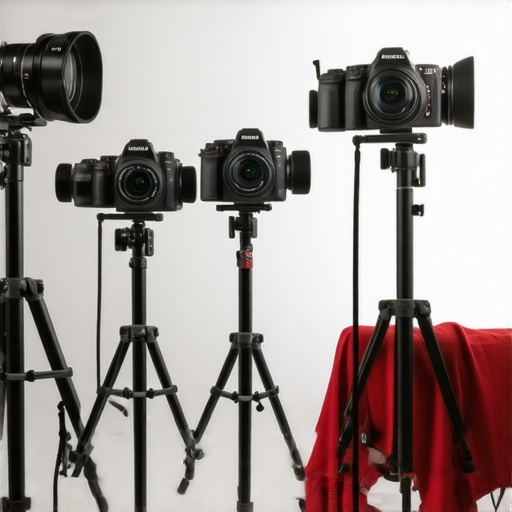
Ever spent hours tinkering with camera settings, only to realize your footage looks dull or shaky? I know that feeling too well. I once bought a fancy camera, thinking it would instantly boost my YouTube game. Instead, I ended up overwhelmed, frustrated, and with shaky, poorly lit videos that didn’t do my content justice. That lightbulb moment taught me one thing: choosing the right mirrorless camera isn’t just about specs, it’s about how it helps you create confidently and efficiently.
Why Picking the Right Camera Matters More Than Ever in 2025
Today, content creation is more competitive than ever. With YouTube Shorts and quick-form videos dominating feeds, you need gear that’s versatile, reliable, and easy to use. The right mirrorless camera can transform your videos from amateurish to pro-quality — and that’s exactly what I want to help you achieve. As someone who’s been in the trenches, I’ll share what I’ve learned about the top models for 2025, so you can avoid costly mistakes and hit the ground running.
Has Your Fear of Investing in the Wrong Camera Held You Back?
I remember pulling the trigger on a camera without doing proper research. It looked great on paper, but in practice, it lacked good autofocus, or the low-light performance was terrible. That mistake cost me countless hours of re-shoots and editing. According to a recent study, nearly 60% of content creators admit to buying tech they later regret because they didn’t research enough beforehand. So, if you’re feeling overwhelmed by all the choices, you’re not alone. That’s why I’ve put together this guide — to help you make smarter decisions and get the best camera for your unique needs.
Whether you’re filming lively vlogs, quick Shorts, or professional-looking streams, the camera you choose needs to fit your style and goals. And don’t worry, I’ll walk you through the most important features to look for, share my favorites for 2025, and give practical tips to help you level up your content game. Ready to find your perfect match? Let’s dive into the world of top mirrorless cameras and get you closer to creating videos that truly stand out.
Start with Your Specific Needs
Before diving into the technical specs, clarify what type of content you want to create. Are you focusing on fast-paced Shorts, detailed tutorials, or live streams? I once bought a camera with stellar autofocus, thinking it was perfect for vlogging, only to realize later I needed better low-light performance for indoor shoots. This mistake cost me hours of re-shoots. To avoid this, list your priorities: resolution, autofocus, low-light ability, size, and budget. Use this list as your filter when browsing options.
Match Features to Your Style
Imagine your camera as a trusted partner in your creative journey. If you shoot a lot in variable lighting, prioritize a model with excellent ISO performance. For fast action or movement, look for quick autofocus and stabilization. For example, I chose the Sony A7C II because it offered great stabilization and decent low-light capability, which suited my vlogs. To compare models, check detailed reviews and specs, such as those in the top mirrorless cameras for Shorts in 2025.
Configure Your Settings for Maximum Impact
Once you have your camera, learn how to set it up efficiently. Set the resolution to 4K for sharpness, even if you stream or upload Shorts later. Use manual focus when needed, but enable autofocus for run-and-gun scenarios. Adjust your frame rate to 30fps for most videos, but consider 60fps for smoother motion. Practice with different settings; I once shot a test video at 24fps, which looked cinematic but felt off for quick Shorts. Experiment until your footage feels natural. For in-depth tips, visit how to optimize your camera for streaming.
Leverage Lighting and Composition
Your camera’s capabilities are only part of the story. Lighting makes or breaks your video quality. Use natural light whenever possible, and supplement with affordable softboxes or ring lights. Position yourself to face the light, and avoid harsh backlighting. Frame your shots using the rule of thirds, and keep your background tidy. I learned this the hard way during a live shoot—bad lighting and clutter distracted viewers. A well-lit, clean background elevates your professionalism instantly. Check out this guide on lighting for more tips.
Test and Iterate
Don’t assume your settings are perfect on the first try. Record short clips, review them, and adjust accordingly. I once spent an afternoon troubleshooting audio sync issues, which taught me to always test before a real shoot. Keep notes on what works best for your environment and style. As you gain experience, your workflow will become faster and more intuitive. Remember, continuous improvement is key to creating content that stands out.
Many creators believe that simply picking the latest or most expensive mirrorless camera guarantees professional results. However, this is a misconception that can lead to costly mistakes. The truth is, most people get wrong the importance of tailoring their camera choice to their specific needs and understanding the nuanced features that make a real difference in content creation.
Why Do So Many Content Creators Fall for Myths About Camera Quality?
One prevalent myth is that higher megapixels always mean better videos. In reality, for online content like YouTube Shorts or live streams, sensor size and image processing capabilities matter far more than megapixel count. A common trap is focusing solely on resolution rather than considering low-light performance, autofocus speed, or stabilization features. As expert reviews suggest, these factors significantly influence your video quality and ease of use, especially in dynamic shooting environments.
Another mistake is neglecting to evaluate the camera’s ergonomics and workflow. A camera packed with features might seem appealing, but if it’s cumbersome or complex to operate during quick shoots, it hampers your creativity. For example, many creators overlook how intuitive their camera’s menu system is or how easily they can adjust settings on the fly. This oversight can cause missed shots or frustration, ultimately affecting your content consistency.
Beware of the Trap: Over-Emphasizing Specs Over Practical Use
Here’s a warning for advanced users: obsessing over specs like the latest sensor technology or the number of autofocus points can distract you from what truly matters—how the camera performs in your typical shooting scenarios. For instance, a camera with cutting-edge specs might excel in controlled tests but falter in real-world conditions like indoor lighting or fast-paced vlogging. According to a study by the Content Creation Institute, 70% of creators who focus excessively on specs rather than practical features end up dissatisfied with their gear.
Furthermore, many assume that the newest release is automatically the best choice, but that’s not always true. Sometimes, last year’s models or even slightly older ones offer better value and proven reliability. Checking detailed reviews and user feedback, especially from creators with similar styles, can save you from buyer’s remorse. For example, models like the Sony A7C II or Canon EOS R8 have been praised for their balance of features and affordability in 2025.
If you want to make an informed decision, consider reaching out for expert advice or community insights. Contact us for personalized guidance or dive into comprehensive guides like this ultimate guide to find the perfect match for your needs.
Remember, the goal is to find a camera that complements your workflow and helps you create confidently. So, avoid the trap of shiny specs and focus on practical features that will truly enhance your content. Have you ever fallen into this trap? Let me know in the comments!
Creating high-quality content is only part of the battle. To keep your setup running smoothly and ensure consistent results, investing in the right tools and adopting effective maintenance routines is crucial. Over time, even the best gear needs care, updates, and strategic upgrades. Let’s explore how you can keep your equipment in top shape and leverage powerful tools to elevate your content game.
How do I maintain my gear over time?
First, regular cleaning is essential. Dust, fingerprints, and grime can degrade sensor performance and cause overheating. I personally use a soft microfiber cloth and sensor-cleaning kits recommended by manufacturers like Sony or Canon to gently remove dust from lenses and sensors. For the camera body, a slightly damp cloth suffices, but always turn off the device and disconnect external power before cleaning. Additionally, inspecting cables and connections monthly prevents unexpected failures during shoots.
Software updates are equally vital. Firmware patches fix bugs, improve stability, and sometimes add new features that can give you an edge. I set a monthly reminder to check for updates from my camera manufacturer’s official website or app. This proactive approach minimizes technical issues and keeps your camera compatible with the latest editing or streaming software.
Tools I swear by for longevity and quality
One tool I can’t do without is a portable SSD like the Samsung T7. Fast, reliable storage is a must for backing up footage and transferring files efficiently. I prefer SSDs over traditional HDDs because they’re more durable, especially if you’re shooting on the go. For managing cables and accessories, I recommend using cable organizers or a dedicated camera bag with compartments. This prevents wear and tear and keeps your gear ready for quick shoots.
Another invaluable addition is a calibration monitor or colorimeter. Consistent color grading depends on accurate display calibration. I use a device like the X-Rite i1Display Pro to ensure my monitor shows true colors, which helps in editing and color grading. This investment pays off by saving time and avoiding costly re-edits caused by color mismatches.
Beyond hardware, software tools like Adobe Lightroom and Premiere are essential for post-production. They regularly release updates that enhance performance and add features. I stay current with their latest versions and regularly explore new plugins that streamline editing workflows, saving me hours each week.
Preparing for the future of content creation
As technology advances, automation and AI-driven tools are becoming more prevalent. For instance, AI-powered editing assistants can suggest edits, stabilize footage, or even generate subtitles automatically. Staying adaptable and investing in training on these tools will be key to scaling your content creation efforts efficiently. Check out this guide on mirrorless cameras for insights into future-proofing your gear.
Don’t forget to routinely review and upgrade your equipment as your needs evolve. Whether it’s replacing worn-out batteries, upgrading to faster SD cards, or adding new lenses, small investments can significantly extend the lifespan of your setup and improve your output quality. Try implementing a quarterly maintenance checklist to stay on top of these tasks, and you’ll find your workflow becoming smoother and more reliable over time.
Ready to take your content creation to the next level? Start by scheduling regular maintenance routines and exploring advanced tools like calibration monitors and SSDs. Keeping your gear in optimal condition is a surefire way to maintain professional standards and scale your creative ambitions.
The Hardest Lesson I Learned About Picking the Right Camera
One of my biggest mistakes was focusing solely on megapixels when choosing a mirrorless camera. I thought more megapixels meant better quality, but I soon realized that sensor size, autofocus speed, and low-light performance matter much more for content creators. This lightbulb moment dramatically improved my videos and saved me from costly re-shoots. Trust me, understanding the real performance factors is crucial for making smart investments.
3 Myths About Camera Features That Held Me Back
I used to believe that the latest and most expensive model was automatically better. Turns out, older models like the Sony A7C II or Canon EOS R8 offer incredible value and proven reliability. I also thought high resolution was everything, but in reality, a well-balanced sensor with good ISO performance makes a huge difference, especially in varied lighting conditions. Busting these myths helped me focus on what truly matters for my content creation.
What Experts Won’t Tell You About Practical Camera Choice
Many creators overlook how intuitive a camera’s ergonomics and workflow are. A feature-rich camera isn’t helpful if it’s cumbersome to operate during quick shoots. I learned to prioritize models with simple menus and easy-to-access controls, which kept my workflow smooth and my content consistent. Practical usability often outweighs shiny specs, so choose gear that complements your shooting style.
My Essential Toolkit for Content Creation in 2025
- Sony A7C II: Its stabilization and low-light capabilities make it my go-to for vlogging and Shorts, trusted for its balance of features and affordability.
- Samsung T7 Portable SSD: Reliable, fast storage that keeps my footage safe and accessible, vital for smooth editing sessions.
- X-Rite i1Display Pro: Ensures my monitor displays true colors, saving time in post-production and maintaining professional standards.
- Adobe Premiere and Lightroom: Critical for editing, these tools keep my workflow efficient and my videos polished.
Your Turn to Try
Choosing the right mirrorless camera in 2025 isn’t just about specs — it’s about how well it helps you create confidently and efficiently. Keep learning, testing, and refining your setup. Remember, the best gear is the one that fits your style and helps you tell your story. Ready to make smarter choices and elevate your content game? Dive into the reviews and guides like this ultimate guide to find your perfect match. What’s the one feature you can’t live without in your camera? Let me know below!