Ever spent hours trying to perfect your live stream or YouTube video, only to realize that your camera just doesn’t do your content justice? I’ve been there. One moment, I was rushing to hit that perfect shot, and the next, I was staring at grainy footage wondering what went wrong. That lightbulb moment hit me hard — your camera’s quality makes or breaks your audience’s experience. Honestly, I wasted months chasing the latest gadgets without understanding what really matters. But here’s the good news: finding the right 4K camera for YouTube and streaming in 2025 isn’t as complicated as it seems. Today, I’ll share how to cut through the noise, avoid common pitfalls, and pick a camera that makes your content shine.
Why Upgrading Your Camera Is a Game Changer for Creators
Let’s face it, in 2025, viewers expect more. They want crisp visuals, vibrant colors, and smooth streaming — all without buffering or lag. If your current setup doesn’t meet these standards, your growth stalls. I learned this early when my first setup looked more like a vintage VHS tape than a professional production. I thought my content was good enough, but my audience told me otherwise — through quiet unsubscribes and declining engagement. That’s when I realized that investing in a solid 4K camera wasn’t just about shiny tech; it was about delivering the quality my viewers crave. According to recent research, high-quality visuals can boost viewer retention by up to 80%. That’s a huge difference, and it’s why I dedicated myself to finding the best 4K cameras for content creators in 2025, like those highlighted in our ultimate guide for 4K streaming cameras.
Have you ever faced the frustration of trying to stream with outdated gear that just doesn’t cut it anymore?
Early on, I made the mistake of choosing a camera based solely on its megapixel count. Big mistake. Megapixels don’t tell the whole story — low-light performance, autofocus, and video features matter way more. Trust me, I learned this the hard way, and I don’t want you to repeat that mistake. That’s why understanding the core features that make a camera perfect for streaming and YouTube is essential. Stay tuned, because next, we’ll break down exactly what to look for and how to pick your ideal 4K companion for 2025’s content landscape. Ready to transform your videos? Let’s dive in.
Set Your Budget and Prioritize Features
Start by defining your budget. High-end 4K cameras offer exceptional quality but come with a hefty price tag. If you’re just starting, consider models like the top mirrorless cameras for YouTube Shorts in 2025 that balance affordability with performance. Prioritize features that matter most to you, such as autofocus, low-light performance, or portability. Think of this step like shopping for a car — you need to decide what features will serve your driving style best, whether it’s speed, comfort, or fuel efficiency.
Evaluate Video Quality and Sensor Size
Camera sensor size directly impacts image quality. Larger sensors, like full-frame sensors, excel in low-light conditions and produce richer colors. When I tested a compact APS-C sensor camera for my first live stream, I was surprised how much better the footage looked compared to my old webcam. Use this analogy: a bigger sensor is like a bigger canvas — it captures more detail and nuance. For content creators wanting cinematic visuals, models like the best 4K cameras for streaming in 2025 often feature sensors that deliver stunning clarity.
Check Autofocus and Stabilization Capabilities
Auto-focus ensures your face stays sharp as you move, which is critical during live streams. I once shot a tutorial with a camera that lacked reliable autofocus, and I spent more time adjusting the focus than creating content. Look for cameras with advanced autofocus systems, like face detection or eye-tracking, which are game-changers. Additionally, built-in stabilization reduces shakiness, making your videos look professional even if you’re moving around. Think of stabilization like wearing a steadying hand — it keeps your footage smooth and polished.
Assess Connectivity and Compatibility
Seamless connection to your streaming setup is vital. Cameras with HDMI or USB-C outputs allow easy connection to streaming software. I recommend checking if the camera supports clean HDMI output, which feeds a crisp, uncompressed video signal. Compatibility with your current gear, such as tripods, microphones, and lighting, ensures a smooth setup. For detailed insights, visit the streaming camera spotlight page to see top options for 2025.
Review Battery Life and Ease of Use
Long battery life prevents interruptions during long recordings or streams. I once underestimated this and had to cut a live session short because my camera died mid-sentence. Choose models with external power options or larger batteries if you plan extended sessions. Also, consider user interface and menu navigation. A camera that’s intuitive saves you time and frustration. Think of it as choosing a smartphone — the easier it is to operate, the faster you can focus on creating content.
Test and Compare Before Final Purchase
Whenever possible, test your shortlisted models in real-world conditions. Many local stores or rental services allow hands-on trials. Comparing footage side-by-side helps you see differences in color, low-light performance, and autofocus. I once borrowed a camera for a weekend, shot some test footage, and instantly knew it was the right fit. This process is like test-driving a car — it reveals the quirks and strengths that specs alone can’t show.
By following these concrete steps, you’ll be well on your way to selecting a 4K camera that elevates your content. For more detailed reviews and advice, explore our ultimate guide for YouTube content creation.
Many aspiring content creators fall into misconceptions that can hinder their growth and lead to costly mistakes. Let’s dig deeper into what most people get wrong when selecting a 4K camera for streaming and YouTube, so you can avoid these pitfalls and make smarter decisions.
Why Megapixels Don’t Guarantee Better Video Quality
It’s a common belief that higher megapixel counts automatically mean sharper and better videos. However, this is a misconception. Megapixels primarily influence still image resolution, not video quality. When it comes to streaming or YouTube content, factors like sensor size, autofocus, low-light performance, and color science have a far more significant impact. For example, a camera with a lower megapixel count but a larger sensor can produce more cinematic and vibrant footage than a high-megapixel camera with a tiny sensor. Trust me, focusing solely on megapixels is like judging a book by its cover—you’re missing the core quality indicators that truly matter. For a comprehensive look, check out our guide on choosing the best 4K camera.
Beware of the Overhyped Features
Another trap is getting seduced by flashy features that seem impressive but don’t add real value. For instance, some cameras boast 10-bit color depth or high frame rates, but if your streaming setup doesn’t support these features or if your editing workflow can’t utilize them, they’re essentially useless. Similarly, some creators chase the latest tech trends like built-in ND filters or in-body stabilization without considering whether their filming environment demands such features. The key is to prioritize features that align with your content style and setup. Remember, a feature-rich camera is only an asset if it complements your workflow. For advanced advice, explore our top mirrorless cameras for content creators.
Advanced Question: How Can I Tell If a Camera’s Autofocus Is Truly Reliable?
Many creators assume autofocus performance is obvious from specs or sample footage, but the truth is more nuanced. A camera might have impressive autofocus on paper, but real-world performance depends on factors like face detection, eye tracking, and how well the system tracks moving subjects or adjusts in different lighting conditions. To gauge reliability, look for reviews that include real-world tests, especially during dynamic movements or low-light scenarios. Additionally, some brands offer customizable autofocus settings, which can significantly improve tracking if properly calibrated. This level of detail distinguishes a good camera from a truly professional tool. If you’re serious about refining your setup, consider reading detailed reviews or consulting with experts at our contact page.
Having clarity on these misconceptions can save you time, money, and frustration. Remember, the goal isn’t just to own the latest gear but to understand how to leverage it effectively for your content. Have you ever fallen into this trap? Let me know in the comments!
How do I maintain my streaming setup over time?
Keeping your streaming gear performing at its best requires regular maintenance and the right set of tools. I personally swear by a few key practices that ensure longevity and optimal performance of my equipment, especially as the technology landscape evolves rapidly. One of the most critical tools I use is a high-quality microfiber cloth. Regularly wiping down lenses, screens, and sensors prevents dust and smudges from degrading image quality. For more detailed cleaning, I recommend a sensor cleaning kit, which includes swabs and cleaning solutions specifically designed for camera sensors, helping you avoid costly repairs or replacements.
To monitor your setup’s health, I rely on software like OBS Studio and Streamlabs. These platforms allow me to keep an eye on frame rates, dropped frames, and connection stability in real time. Staying vigilant with these tools helps me troubleshoot issues before they impact my live streams or recordings. Additionally, I schedule quarterly checks for all cables, connectors, and power sources. Loose connections or frayed cables can cause unpredictable disruptions, so replacing worn parts proactively minimizes downtime.
Invest in reliable external hardware
External hardware like UPS (Uninterruptible Power Supplies) can be a game-changer. During power fluctuations or outages, a UPS keeps your equipment running smoothly and prevents data loss. For example, I use a model from APC, which provides clean backup power and surge protection. This simple addition has saved me hours of re-editing and troubleshooting after unexpected outages. As streaming setups grow more complex, I see a future where integrated smart monitoring systems automatically alert creators to hardware issues, possibly through AI-driven diagnostics, making maintenance even easier.
How to keep your gear working as new in 2025
One of the best ways to ensure long-term performance is to stay updated with firmware and software updates. Manufacturers often release patches that fix bugs, improve stability, and unlock new features. I make it a point to check for updates monthly, especially for my camera and streaming software. Also, regularly backing up your configurations and settings ensures you can quickly restore your setup after a hardware reset or replacement. For detailed guidance, check the streaming camera spotlight.
Looking ahead, I predict that AI-powered maintenance tools will become standard, offering real-time diagnostics and predictive alerts. This evolution will make it even easier to keep your gear running flawlessly, freeing up more time for content creation. For now, I recommend adopting a proactive maintenance routine, using reliable cleaning tools, software monitoring, and backup systems. Try setting a monthly maintenance schedule—trust me, your future self will thank you!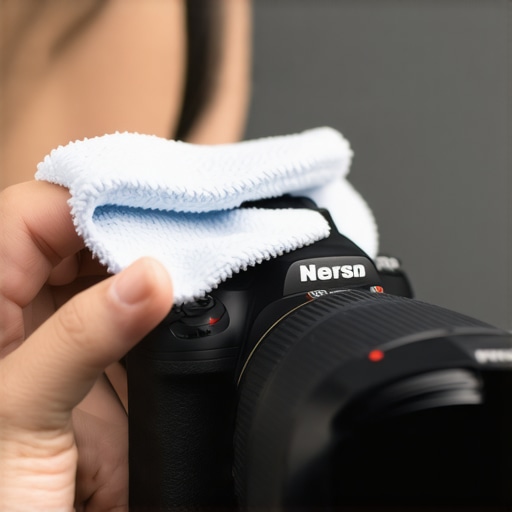
The Hardest Lesson I Learned About Choosing Cameras for Content Creation
One of the toughest lessons I faced was realizing that more megapixels don’t necessarily mean better videos. I used to chase high megapixel specs, thinking it would improve my footage, but I was disappointed when my videos still looked dull in low light. It took me a while to understand that sensor size, autofocus, and low-light performance are far more critical. This realization saved me from countless costly mistakes and helped me focus on what truly matters for content creation.
Three Myths About Streaming Cameras That Held Me Back
I used to believe that a camera with all the latest features would automatically elevate my content. Turns out, many of those features are overhyped or irrelevant for my setup. For example, in-body stabilization is great, but if I’m streaming from a fixed desk, it’s less important than reliable autofocus or good connectivity. Learning to prioritize features that align with my workflow was a game-changer.
What Experts Won’t Tell You About Long-Term Camera Maintenance
Keeping your streaming gear in top shape isn’t just about buying the right camera—it’s about ongoing care. Regular cleaning, firmware updates, and checking connections can extend your equipment’s lifespan and ensure consistent quality. I’ve started scheduling monthly maintenance sessions, which have dramatically reduced unexpected glitches during live streams. This proactive approach saves time and keeps my content looking professional.
Curated Resources to Elevate Your Content Setup
For in-depth reviews and expert advice, I trust the streaming camera spotlight. It’s packed with real-world insights that help me choose gear that fits my needs. I also rely on the contact page for personalized recommendations, and I always stay updated with the latest privacy policies and firmware releases. Finally, the ultimate guide for YouTube content creation is my go-to for comprehensive strategies on building a professional setup.
Your Next Step in Content Creation Starts Now
Don’t let uncertainty hold you back from elevating your content. The right 4K camera can transform your videos and grow your audience in 2025. It’s time to take action—research, invest, and start creating with confidence. Remember, every great creator started with just a camera and a vision. Your journey is just beginning, and the tools are better than ever to help you succeed. Ready to make your mark? Your future viewers are waiting.
What’s one feature you think is most important when choosing a 4K camera for your content? Let me know below!
Reading through this guide really resonated with my own experience. I initially bought a camera with a high megapixel count, thinking that would automatically improve my video quality. However, I soon realized that low-light performance and autofocus are far more critical, especially when streaming from my home setup. I’ve also learned the hard way that investing in a camera with good connectivity options pays off in the long run—nothing worse than trying to troubleshoot connection issues live! One tip I found helpful was testing cameras in real-world conditions before making a final decision, much like test-driving a car. Have others here found that trying out gear in advance saves headaches later? And what features have been a game-changer for your workflow? Would love to hear everyone’s insights.
This post really hits home for me, especially the part about testing gear in real-world conditions before making a purchase. I remember buying a ‘high-spec’ camera online, only to realize it wasn’t as reliable in my usual streaming environment. It ended up sitting in my closet until I finally rented a few models to do side-by-side comparisons. That process saved me a ton of frustration and money. autofocus and connectivity features really are game-changers, as you mentioned, especially during live sessions where any lag or focus issues can ruin the flow. Personally, I’ve found that a camera’s ability to handle low-light conditions is critical for my studio setup, which isn’t always brightly lit. For those still deciding, do you prioritize portability over sensor size or vice versa? I found that striking a balance between those aspects really helped me craft a more professional look without sacrificing convenience. Would love to hear how others weigh these features when choosing their gear.