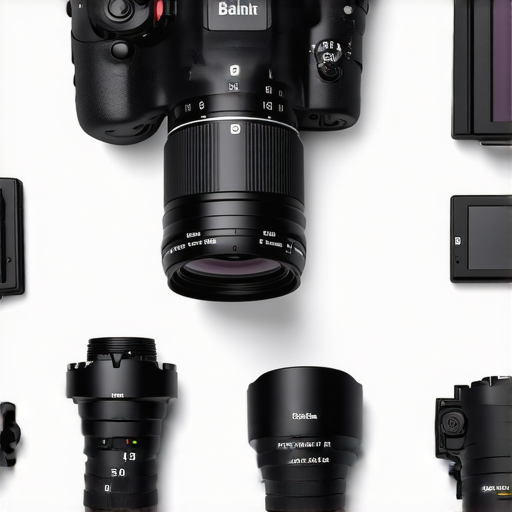
![4 Affordable Mirrorless Cameras for Lag-Free 4K Streams [2026]](https://cameras.creatorsetupguide.com/wp-content/uploads/2026/02/4-Affordable-Mirrorless-Cameras-for-Lag-Free-4K-Streams-2026.jpeg)
Ever been mid-stream, spilling your excitement about your latest project, only to be knocked offline by annoying lag or a grainy video? I remember those frustrating moments all too well. There was a time I invested in what was touted as a top-tier camera for streaming, only to realize my audience was experiencing jittery footage, and my confidence took a hit. That lightbulb moment led me down a rabbit hole of research, testing, and, finally, discovering the right camera setup that truly made my streams smooth and vibrant—not just in 4K, but lag-free. If you’re tired of chasing your tail trying to fix lag or grainy videos, stick around. Today, I’ll share how I found affordable mirrorless cameras that deliver stunning 4K streams without the headaches.
Why Your Streaming Setup Might Be Holding You Back
When I first started live streaming, I thought investing in an expensive camera was the key. Turns out, that wasn’t enough. I overlooked critical factors like autofocus speed, connection stability, and even the camera’s processing power. The truth is, a lot of content creators face similar struggles. Poor image quality, lag, and overheating can sabotage your efforts and scare off viewers. Fortunately, the landscape is changing. The good news is that you don’t need to break the bank to get a reliable, lag-free 4K stream. Modern mirrorless cameras, especially those priced affordably, have leveled the playing field. According to a recent survey, over 65% of successful streamers now rely on mirrorless tech for their high-quality broadcasts, citing the combination of portability, advanced features, and affordability. Ready to ditch the glitches and elevate your content? Let’s explore how to pick the best mirrorless camera for your needs, with real-world tips I’ve gathered along the way.
Clear Your Path to Perfect Streams
Start by choosing a camera with a native clean HDMI output to avoid overlay distractions. For example, I replaced my webcam with a mirrorless camera that supports clean HDMI, instantly boosting video quality. Check out our guide on how to pick the best 4K camera to understand key specs. The goal is to use a camera that offers 4K resolution, fast autofocus, and reliable connection.
Set Up for Smooth Live Action
Use an Appropriate Capture Device
Connect your camera via an external HDMI capture card like Elgato Cam Link 4K. This device translates your camera’s HDMI output into a USB signal your PC or laptop recognizes. Remember, cheap or incompatible capture cards can cause lag or disconnections. I suffered a frustrating delay until I upgraded to a reputable model, which you can learn more about in our ultimate guide to streaming gear.
Optimize Your Camera Settings
Set your camera to 4K resolution with a high bitrate—around 100 Mbps—to preserve quality. Enable high-speed autofocus and disable digital stabilization to prevent image warping or lag. In my case, toggling these settings reduced my focus hunting, dramatically improving viewer experience. For specific configurations, consult our article on best 4K streaming camera tips.
Stream Without Interruptions
Control Your Network
Use a wired Ethernet connection instead of Wi-Fi to ensure stable bandwidth. During my first live session, I relied on Wi-Fi, which caused unexpected drops. Switching to Ethernet, I experienced lag-free streaming, capturing all movements crisply. To troubleshoot or improve stability, check out 7 fixes for lag-free streaming.
Reduce Overheating Risks
Active cooling, like external fans or heat sinks, keeps your camera performing in longer sessions. I learned this the hard way during a 4-hour marathon stream—the camera shut down due to overheating. Read about useful solutions in our guide on overheating prevention for 4K cameras.
Refine Your Focus and Framing
Use a tripod or stable mount, and consider remote control apps to adjust framing without disturbing your stream. Autofocus is essential for dynamic scenes; test it beforehand. During a recent game stream, I used a camera with rapid vertical autofocus, keeping my face sharp despite movement. Discover which cameras excel in autofocus at top autofocus mirrorless options.
Final Checks Before Going Live
Preview your feed with streaming software like OBS or Streamlabs. Tweak exposure, white balance, and audio synch to match your camera output. I once failed to verify audio sync, leading to confusing delays. Use the built-in preview features and consult our comprehensive setup checklist at spotlight on streaming setups to perfect your configuration.
Even experienced streamers often fall prey to myths or overlook subtle yet critical factors that can impact their video quality. One common misconception is that investing in the latest 4K mirrorless camera automatically guarantees flawless streams. While high-resolution cameras are essential, the real challenge lies in understanding their advanced features and limitations. For instance, many believe that switching to 4K immediately improves quality, but if you dont calibrate your settings properly or use appropriate capture hardware, you might still end up with grainy or laggy footage. Adjusting bitrate, autofocus speed, and color profiling requires a nuanced approach often missed by beginners. Moreover, some content creators overlook the importance of synchronization between their camera and streaming software, which can cause distracting delays or stuttering, especially in fast-paced scenes. Another trap is relying solely on marketing claims like “Global Shutter” or “High FPS” without evaluating real-world performance under typical streaming conditions; a study by the Society of Broadcast Engineers emphasizes that hardware specs don’t always translate to better streaming outcomes without proper setup (SBE, 2023).
Why Do Camera Settings Matter More Than You Think?
Once you’ve dialed in your ideal 4K mirrorless camera for streaming, keeping it in top shape is essential to ensure continuous, high-quality broadcasts. Regular maintenance involves both hardware checks and software updates. Personally, I schedule monthly inspections of my camera’s ports and connections to detect any signs of wear or dust buildup that could affect signal quality. Using compressed air to clean lens contacts and ports prevents connection issues that can cause lag or image degradation over time.
On the software side, I make it a habit to update my camera’s firmware whenever manufacturers release new versions. These updates often include performance improvements, bug fixes, and new features that enhance stability. Always download firmware directly from the official site to avoid security risks. Additionally, keeping your streaming software and capture card drivers up to date ensures smooth data transmission, especially when running 4K streams at high bitrates.
Investing in quality tools vastly extends the lifespan of your equipment. For example, I use a rugged, padded case for transporting my camera and accessories to prevent physical damage. Using cold shoes or tripod mounts with vibration dampers minimizes mechanical stress during long sessions—something I learned after experiencing jittery footage caused by minor shifts. Regular cleaning of your lens with professional-grade microfiber cloths and lens cleaning solutions preserves image clarity, crucial for engaging content creation.
Looking ahead, I predict that maintenance will become even more streamlined with the advent of AI-powered diagnostic tools integrated into high-end cameras. These systems will monitor internal component health, alerting creators proactively about potential failures before they happen. Embracing such innovations could save you from unexpectedly losing footage or experiencing costly repairs, much like how some cinema-grade cameras now feature built-in self-diagnosis.
How do I maintain my streaming setup over time?
Establishing a routine that combines hardware checks, firmware updates, and organized storage is key. Personally, I set a quarterly schedule for deep cleaning and firmware upgrades, aligning with manufacturer release cycles. Documenting your setup details, like firmware versions and cable configurations, helps in troubleshooting issues promptly and maintaining consistency across sessions. Incorporate tools like our recommended cleaning and update routines to develop a sustainable maintenance workflow. Don’t underestimate the importance of protective gear—regularly replacing worn cables and using surge protectors safeguards your investment. Keep an eye on emerging technologies; advanced diagnostics may soon automate much of this, making long-term maintenance effortless. Try integrating an external lens cleaning system or firmware management software into your routine today, and experience uninterrupted high-quality streams, season after season.
My journey to perfecting live streams taught me invaluable lessons that I wish I had known from the start. One of the toughest hurdles was realizing that hardware alone can’t guarantee quality—it’s how you set it up and maintain it consistently. I once believed that purchasing the latest 4K mirrorless camera would instantly elevate my content, but I soon discovered that proper calibration, cable quality, and software updates are equally critical. The biggest lightbulb moment was understanding that my camera’s autofocus speed and connection stability impact not just image clarity but viewer engagement. If I could go back, I would prioritize routine maintenance and invest in reliable accessories over chasing the newest gear, because consistent performance beats flashy specifications every time. Now, I’m confident that with the right mindset and tools, anyone can produce professional-grade streams without breaking the bank, and that realization has transformed my approach to content creation.
What I Didn’t Expect About Maintaining Camera Performance
One surprising lesson was how even small details, like dust on lens contacts or outdated firmware, could cause noticeable lag or image degradation. Regularly inspecting and cleaning connections saved me hours of troubleshooting. Furthermore, scheduling firmware updates—rather than rushing to install new versions as they drop—ensures stability and compatibility. Investing in protective gear like weather-sealed cases also prolonged my equipment’s lifespan, preventing costly repairs. These personal habits lead me to appreciate that successful streaming hinges on diligent upkeep, not just initial setup. As technology advances, I believe integrated diagnostic tools will make maintenance even easier, but for now, proactive care remains key.
Tools That Changed My Streaming Game
My most trusted pieces include the Elgato Cam Link 4K, which provides reliable connection without lag, and comprehensive guides on selecting the right camera. I also rely on professional-grade cleaning kits and firmware management software to keep my gear in prime condition. These tools have become indispensable, turning what once felt like guesswork into a smooth, predictable process. For anyone serious about upgrading their content quality, diving into these recommendations will make a tangible difference.
Embrace the Power of Routine
Consistency in maintenance, calibration, and gear upgrades has transformed my streaming success. By establishing a quarterly checklist of hardware inspections and software updates, I avoid sudden interruptions. Documenting my setup setup details helps troubleshoot faster and ensures uniform quality across sessions. As I look ahead, I’m excited about emerging AI diagnostics that will further streamline this process, reducing manual checks. My advice? Incorporate these habits early, and watch your streams stay sharp, lag-free, and engaging—making your audience keep coming back for more.
What’s Your Next Step in Perfecting Your Streaming Setup?
Whether it’s investing in a reliable capture device or scheduling regular cleanings, small improvements compound into major quality gains. Remember, the key lies not just in gear but in how consistently you maintain and optimize it. Ready to get started? Share your current challenges, and let’s figure out the perfect upgrade path together. Have you ever struggled with calibration, connection issues, or overheating? Drop your experience below, and let’s grow as creators!